Selling Land in Bluff Dale? The Rollback Tax Isn't Actually Your Problem
September 17, 2026
September 17, 2026
Here is the part most acreage sellers in Bluff Dale get backwards: closing the sale does not trigger the tax bill everyone worries about. In most cases, the ag valuation your land has carried for years survives the closing table completely intact. What happens after closing, in the hands of whoever buys it, is where the exposure actually lives.
That distinction matters more here than in most Texas markets, because Bluff Dale sits squarely in Erath County, and Erath County's own appraisal guidance shows exactly how expensive a change of use can get. The math is not abstract. It is published, per acre, by the people who send the bill.
Under the standard 1-d-1 open-space appraisal that covers most agricultural land in Erath County, selling a tract to a new owner does not by itself end the ag valuation. If the buyer keeps running cattle or cutting hay, the lower tax bill simply carries forward under new ownership. The rollback only fires when the qualifying use actually stops, whether that's a homesite going up where cattle used to graze, a pasture getting fenced into a yard, or fields sitting idle long enough that the county decides the ag use has ended.
That means a seller listing 20 acres outside Mountain Lakes Ranch as currently ag exempt is not misrepresenting anything by advertising a low tax bill. But that low number is a snapshot of how the land is being used today, not a guarantee attached to the dirt. The moment a buyer changes that use, Erath County reaches back and recalculates what the taxes would have been at full market value.
There is one exception worth flagging directly: the older 1-d Ag-Use appraisal, a stricter classification tied to the individual owner's occupation and income rather than the land itself. Under 1-d, the sale itself does trigger the rollback, regardless of what the buyer plans to do. It's a less common classification, but anyone selling land that has carried an ag valuation for decades should confirm with Erath CAD which version applies before assuming the standard rules protect them.
Erath County Appraisal District has published a worked example that makes the exposure concrete rather than theoretical. Using a per-acre value difference of $48.32 between agricultural and market appraisal across a multi-year lookback, the district's own math lands at $241.60 per acre, or $6,040 on a 25-acre tract, before interest. Scale that across a tract and the numbers add up fast.
| Tract size | Illustrative rollback tax (before interest) |
|---|---|
| 1 acre | $241.60 |
| 10 acres | $2,416 |
| 25 acres | $6,040 |
| 50 acres | $12,080 |
That 25-acre figure is Erath CAD's own example, and it comes with a footnote that matters just as much as the total: add 7 percent annual interest on top. A bill that already runs into the thousands compounds further the longer it sits unresolved.
Here's where a buyer or seller needs to slow down rather than trust a single source. The Texas Comptroller's general guidance describes a three-year lookback for rollback taxes. Erath CAD's own worked example runs the calculation across five years. Other summaries split the difference further, distinguishing agricultural-use appraisals from open-space appraisals with different lookback periods for each. The lookback period is exactly the kind of detail that can shift with amendments to the tax code, and it is not something to assume from a blog post, including this one. Before you calculate exposure on a specific tract, call Erath CAD directly and ask which lookback period applies to that parcel's appraisal type today.
This is where Bluff Dale's own layout does something most rollback-tax explainers never mention: the risk isn't distributed evenly across the map.
Inside Mountain Lakes Ranch, lots are platted for residential building, typically an acre or so, governed by HOA covenants that cover exterior standards, fencing, and lake use. A lot that size, zoned for a single home with a minimum square footage requirement, was never carrying an ag valuation to begin with. Buying inside the gates generally means buying out of this exposure entirely.
Step outside the development and the picture flips. The larger non-HOA tracts ringing Mountain Lakes Ranch are exactly the kind of acreage that qualifies for ag valuation in the first place, and several current listings in the area are marketed explicitly as currently ag exempt, suited for cattle and hay production. That phrase is a selling point for the current owner. For a buyer planning to build a home on part of that tract, it is a rollback clock waiting to start.
There is a middle path worth knowing about here. Converting only a portion of a larger tract to a homesite does not necessarily disturb the ag valuation on the rest. A buyer developing 30 acres of a 90-acre tract can typically keep the lower valuation on the remaining 60, with the rollback applying only to the converted portion. For anyone eyeing a larger non-HOA parcel near Bluff Dale with the intent to build one home and leave the rest in pasture, that's the calculation to run before making an offer, not after closing.
Not every buyer wants to run livestock, and Texas law has a route for that too. Land already carrying an ag valuation can convert to a wildlife management valuation and keep the same lower tax treatment, no cattle or crops required. The requirements involve implementing at least three of seven recognized practices, things like habitat control, predator management, or providing supplemental water, along with a management plan filed with the appraisal district.
One detail that matters for smaller acreage buyers specifically: there is no minimum tract size for a wildlife valuation as long as the parcel hasn't been reduced in size since the prior tax year. That opens the door for someone buying a modest acreage tract who wants to preserve the lower valuation without maintaining a working cattle operation.
Whether you're the one selling or the one about to buy, the practical steps look the same:
It's also worth remembering that Erath County appraises the land, but Mountain Lakes Ranch's own POA governs plenty else that shapes what ownership actually costs. The community sits on roughly 4,000 acres with close to 950 current owners, centered on the 94-acre Beacon Lake and the 45-acre Anglers Cove, with a clubhouse, pool, and RV storage included in the assessment. What isn't included: the roads. The POA does not fund road maintenance, which means buyers on either side of the gate, HOA lot or open acreage, should ask who's responsible for the road in front of the house before assuming the tax question is the only cost that follows the deed.
Does selling my ag-exempt land in Bluff Dale trigger the rollback tax? Generally no, if your land carries the standard 1-d-1 open-space appraisal. The rollback is triggered by a change in use, not by the transfer of ownership itself. The older 1-d Ag-Use appraisal is the exception, where a sale does trigger it regardless of the buyer's plans.
How many years back does Erath County go? Sources differ. The Texas Comptroller's general guidance cites three years, while Erath CAD's own published worked example runs the calculation across five, plus 7 percent annual interest on the recaptured amount either way. Confirm the current lookback for your specific parcel and appraisal type directly with Erath CAD before you calculate exposure.
Can I buy acreage near Bluff Dale and avoid this entirely? Buying inside Mountain Lakes Ranch generally sidesteps the issue, since HOA lots are residential-sized and were never carrying an ag valuation. Buying a larger non-HOA tract outside the gate means confirming the current appraisal type and use before you close, especially if part of your plan involves building a home.
Rollback exposure, road maintenance, well capacity, septic age: none of it shows up on the listing photo, and all of it changes what a Bluff Dale property actually costs to own. If you're weighing acreage inside or outside Mountain Lakes Ranch and want a clear read on what a specific tract carries before you make an offer, VYBE with Eric can walk the numbers with you. Schedule a Consultation and get the full picture before you sign.





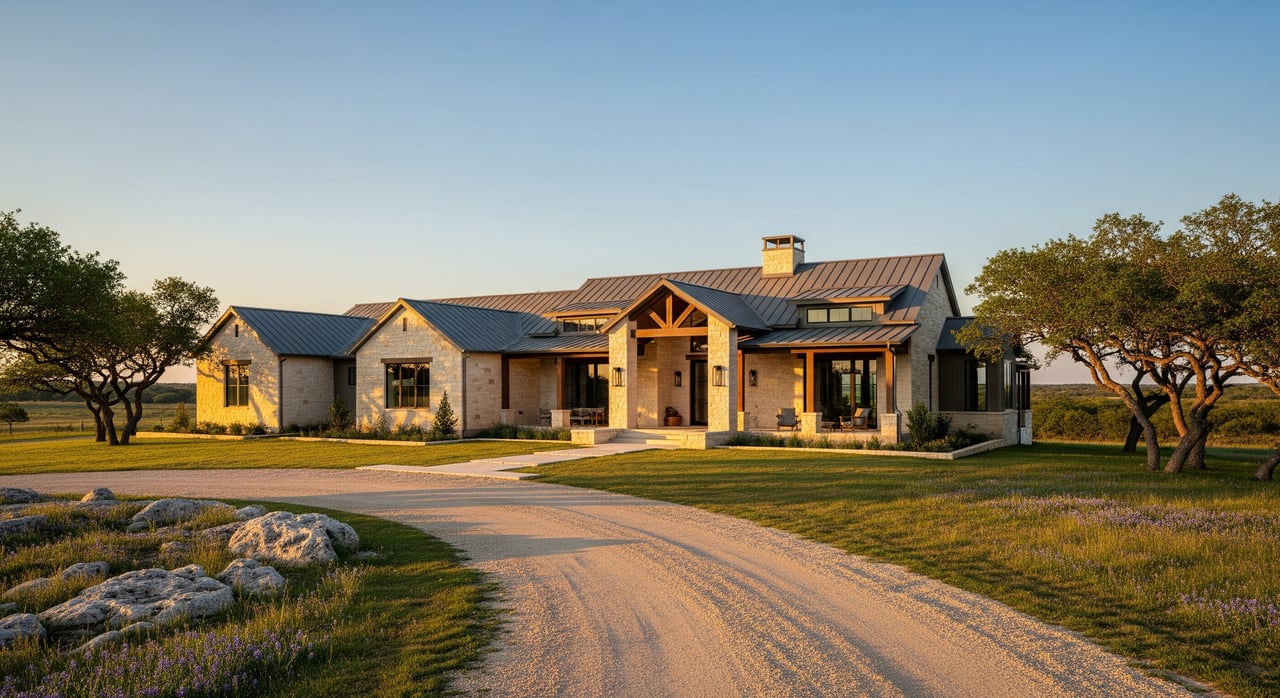

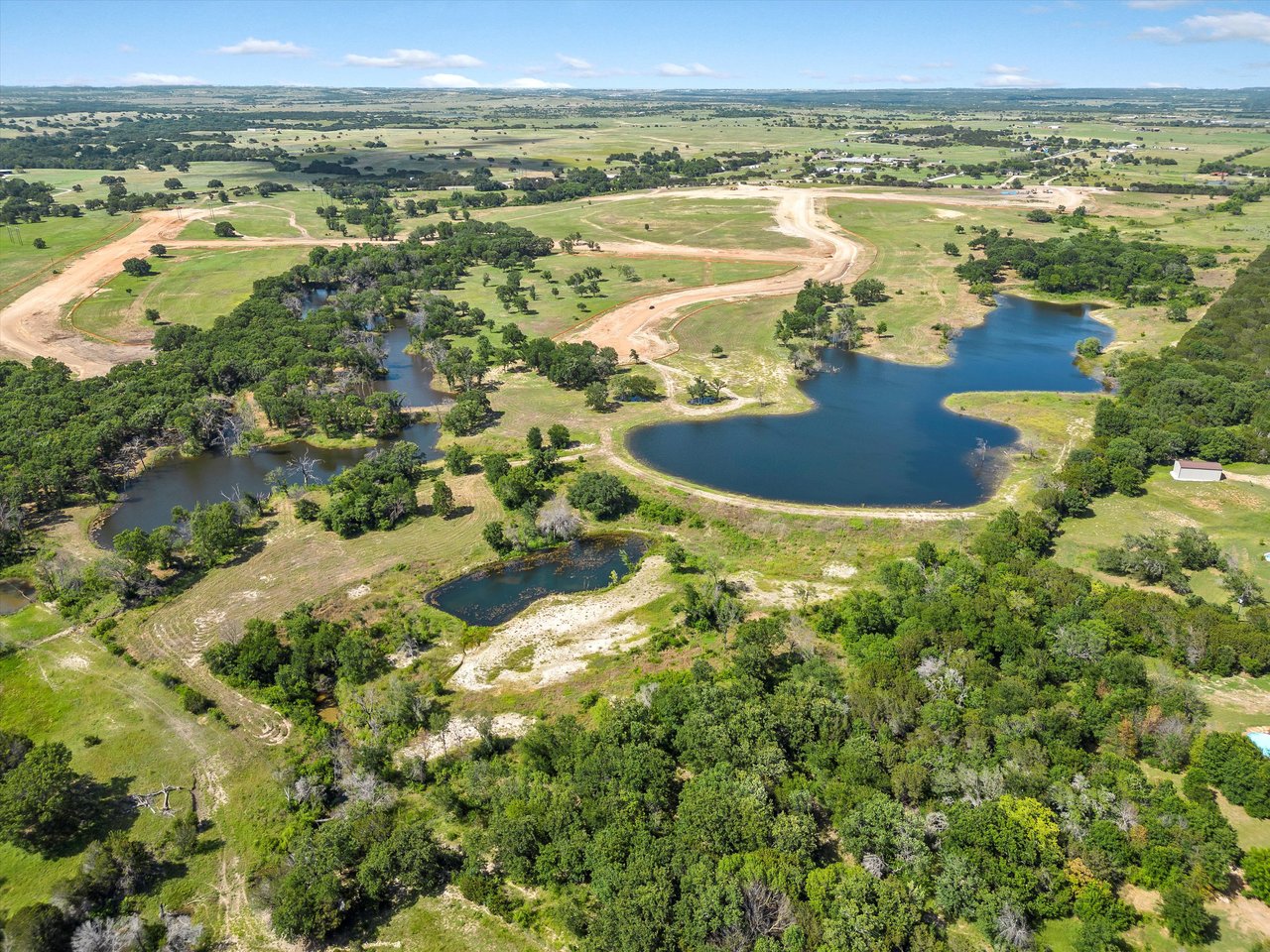
Explore land for sale in Hood County, TX — from 11 to 159 acres in Tolar and Granbury. See ranches, acreage homesites, and my personal journey owning Texas land.
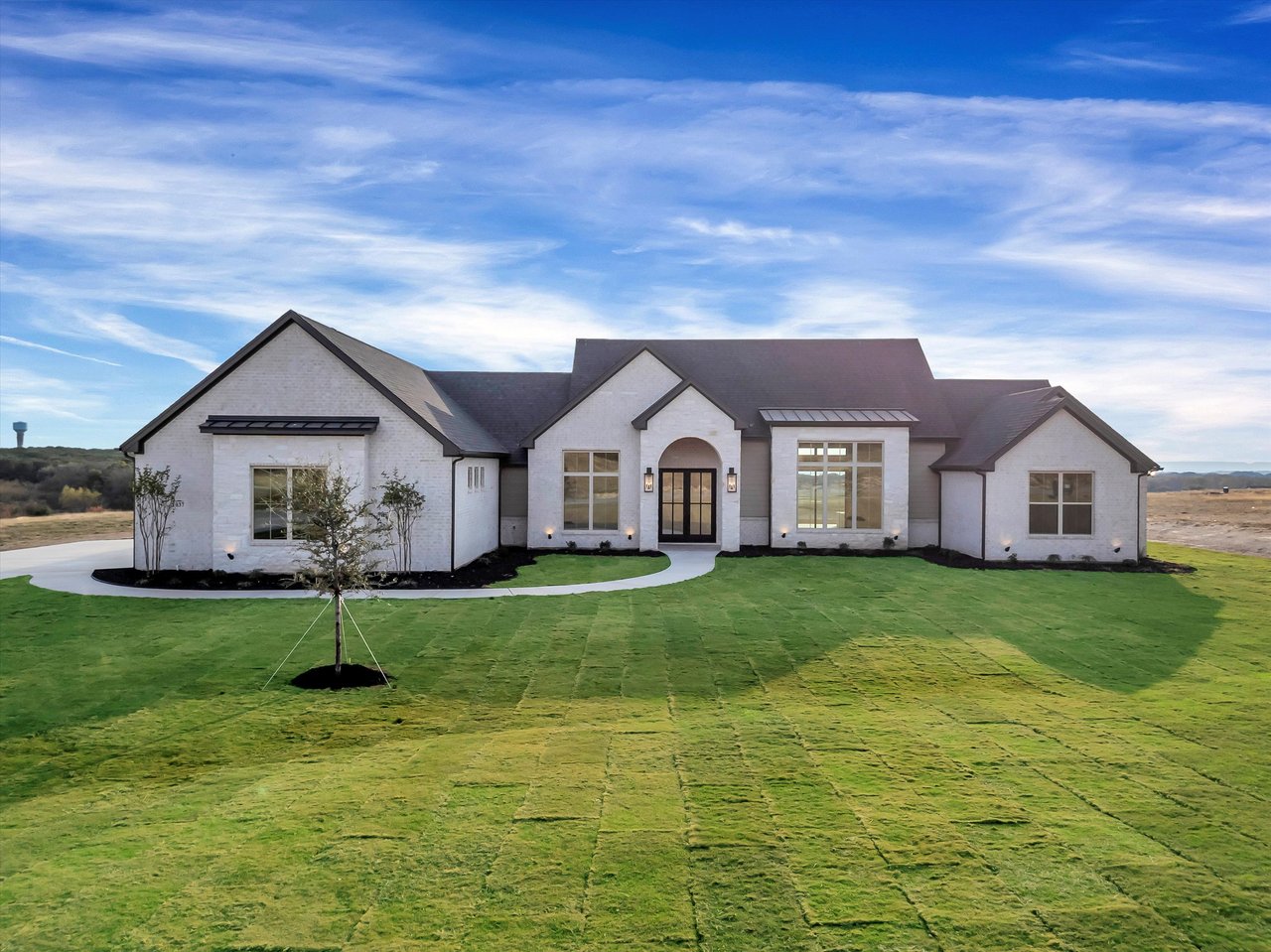
A look into new construction in Granbury

Relocating to a new place can be an exciting yet daunting decision.
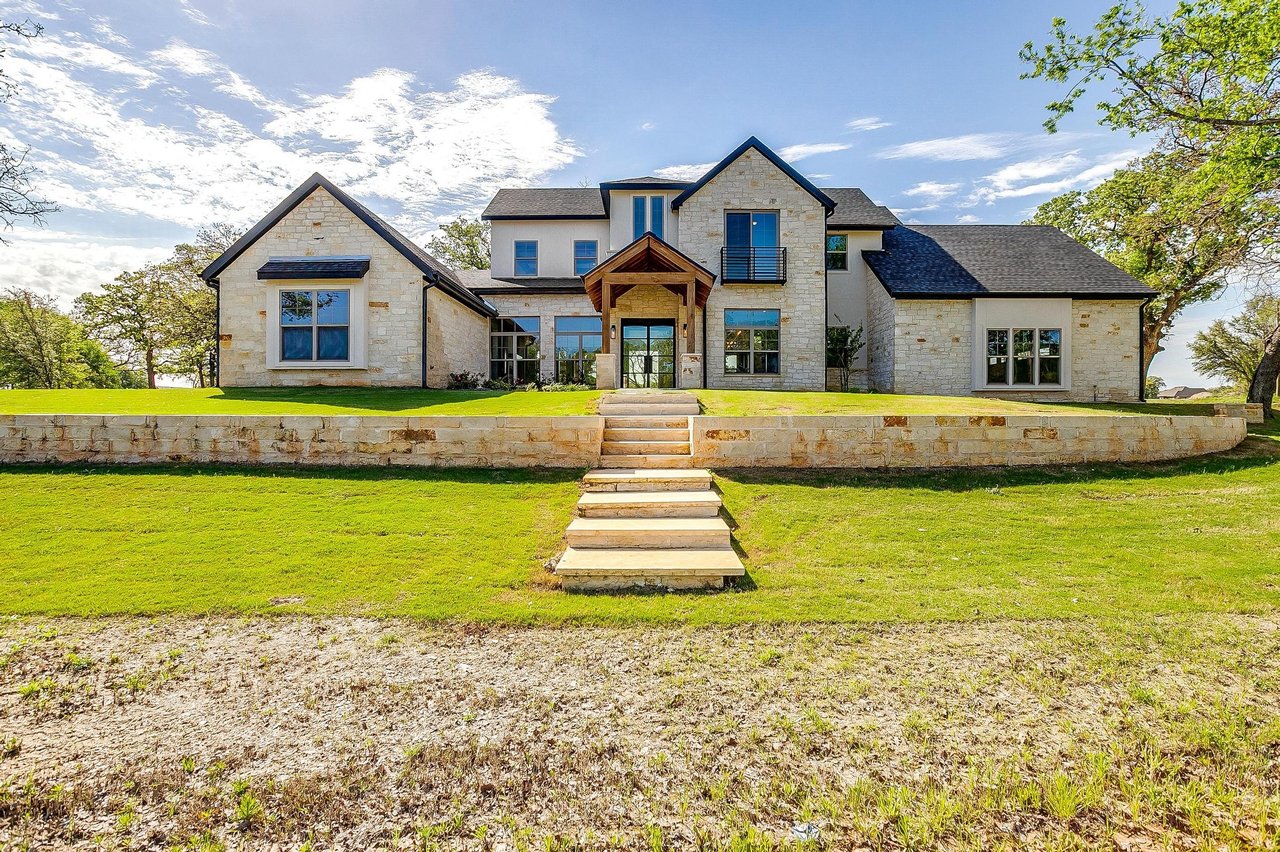
Offers an unparalleled blend of history, culture, and modern living.
Get assistance in determining current property value, crafting a competitive offer, writing and negotiating a contract, and much more. Contact me today to start your home searching journey!