Lake Granbury Water Levels and Waterfront Property Access
August 13, 2026
August 13, 2026
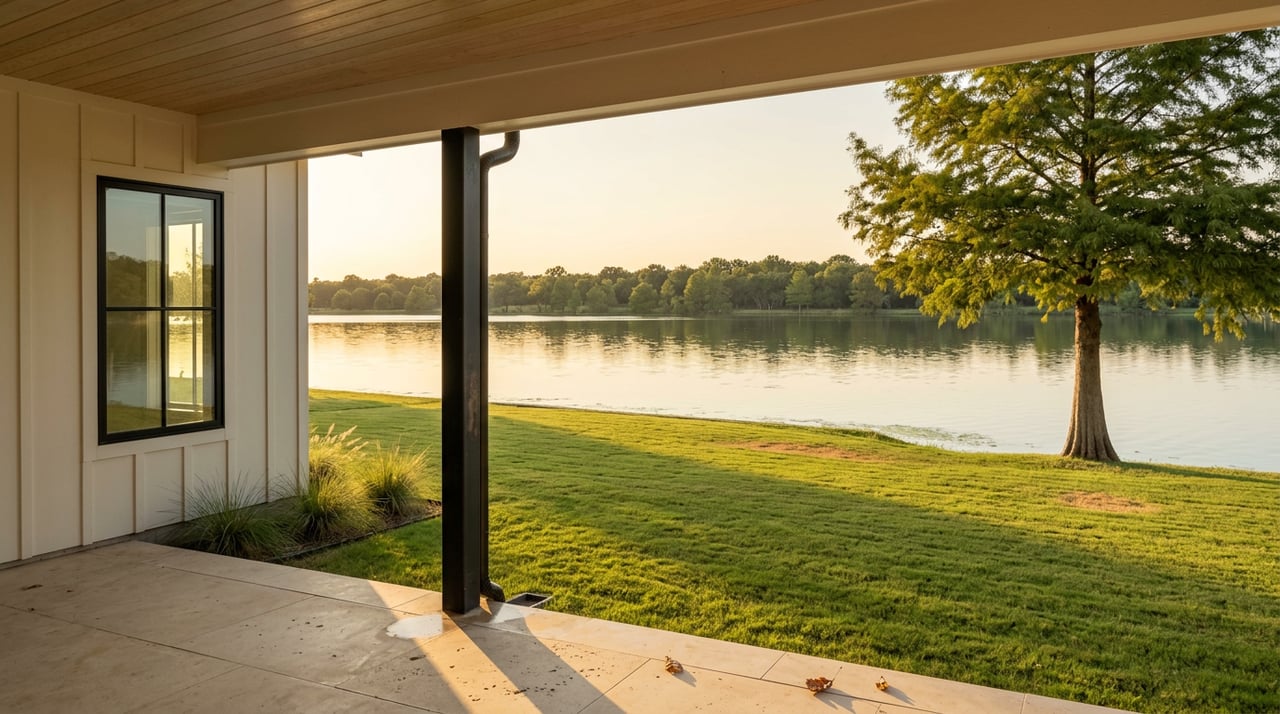
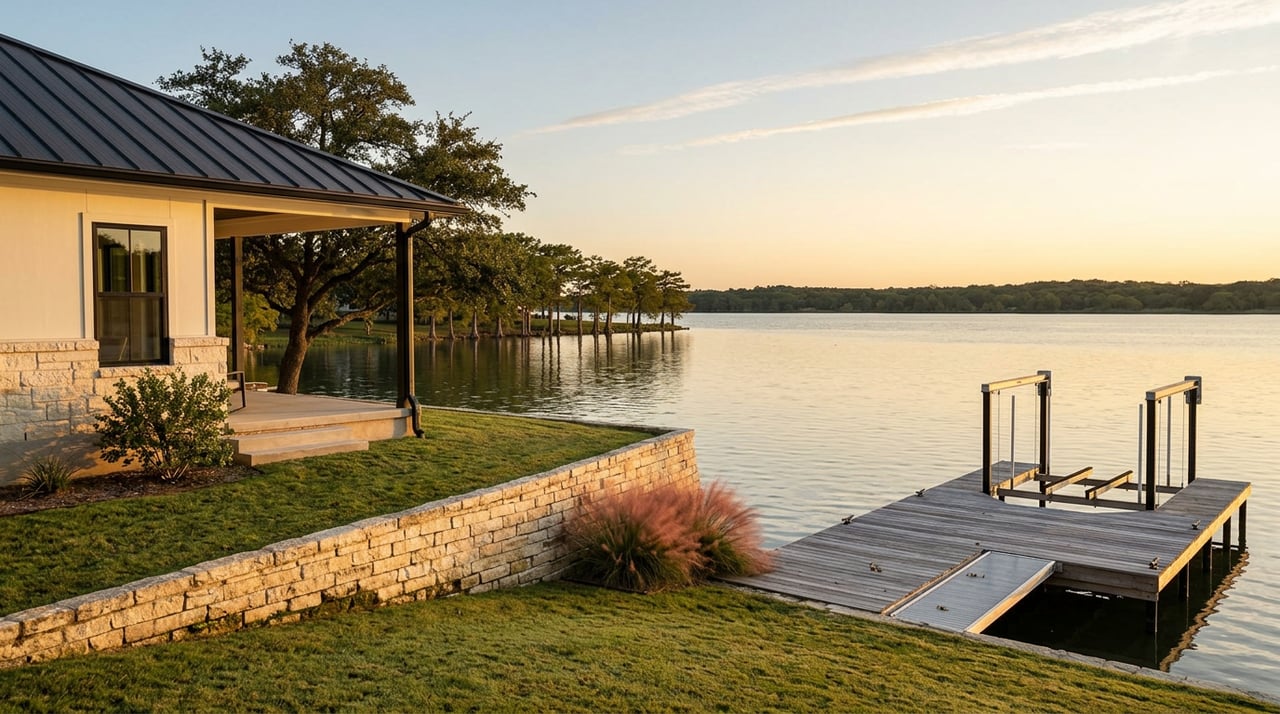
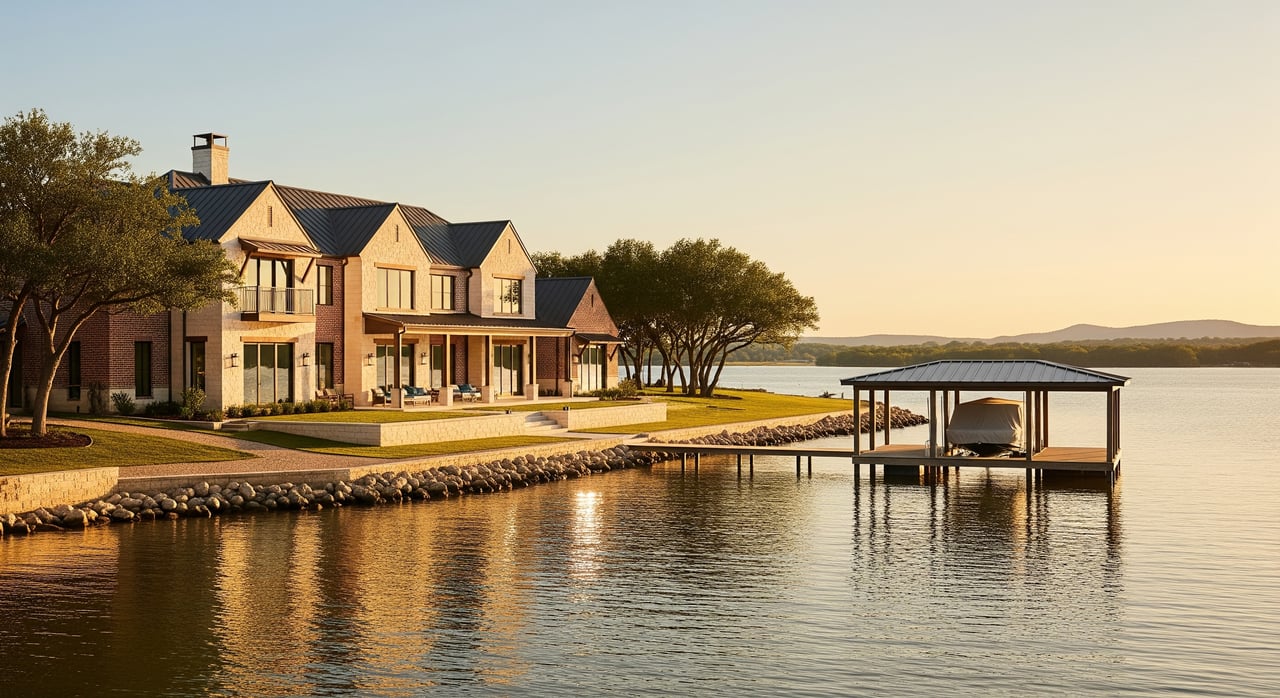
A listing photo of a Lake Granbury dock taken this week would show calm, high water lapping at the pilings. As of August 5, 2026, the lake sits at 91.9 percent of conservation capacity, which is close enough to full that most buyers touring waterfront property right now will never think to ask what happens when it isn't.
In 2013 and 2014, a lot of Lake Granbury homeowners found out. Boat ramps sat landlocked. Docks hung dry above exposed rock. One restaurant manager on the waterfront told CBS Texas that levels had dropped 11 feet below normal, and that recovering the difference would take a flood, not a good rain. The photo you'd have taken of a dock in July 2013 and the photo you'd take today would look nothing alike, even though both are technically the same lake, the same shoreline, the same address.
That gap between what a water-level snapshot shows and what it guarantees is the thing a waterfront buyer actually needs to understand before writing an offer, because Lake Granbury does not behave like most lakes buyers compare it to.
Lake Granbury is not a rain-fed lake that rises and falls with the season. It's a reservoir built and operated by the Brazos River Authority, a state agency created by the Texas Legislature in 1929 to manage water across the entire Brazos basin, not to keep one lake pretty for the people living on it. The BRA holds water rights contracts with industrial and municipal customers up and down the river, and when those customers need water, the BRA moves it, sometimes out of Lake Granbury.
That distinction matters because it means the lake's water level isn't just a function of how much rain fell upstream. It's also a function of who has a contract for that water and when they need it. During the drought years, residents pointed to water being routed toward the Squaw Creek reservoir, which supplies the Comanche Peak nuclear plant, as one driver of how fast their own lake dropped even as the drought "ended" on paper elsewhere in the state.
The clearest evidence of what this looks like in practice came out of the 2011 to 2015 drought. A member of the Lake Granbury waterfront homeowners' association steering committee described the damage at the time: the lake had been fairly constant for almost 40 years, then spent two summers running 7 to 8 feet below that constant level, leaving roughly 90 percent of docks unusable because most waterfront homes reach the lake through connecting canals only about 7 to 8 feet deep when the lake is full. When the lake drops even a modest amount, those canals go dry before the main body of the lake shows any visible change at all.
Hood County's own officials watched the value conversation play out in real time. When the BRA later won approval to sell more water from the system, the county judge put it plainly:
"For now, the lake is full, and property values are back up with them. They're buying houses. But this has been a really wet year. What's going to happen when we have four or five dry years and they're taking more water out?"
That question didn't get a reassuring answer. It got a regulatory one.
In the years following the drought, the BRA pursued a system operations permit that would let it account for and sell an additional 100,000 acre-feet of water each year across its reservoirs, approved by Texas regulators after a twelve-year fight that drew opposition from Lake Granbury waterfront homeowners themselves. The permit changed how the BRA counts water it's allowed to sell, using surplus river flow instead of reservoir releases during wet periods and recalculating the reservoirs' reliable yield under modern standards.
Buried in the reporting on that fight is the number that actually matters to a waterfront buyer: under the new permit, Lake Granbury is expected to be full or nearly full about 75 percent of the time, compared with 80 to 85 percent of the time under the old arrangement. That's not a drought forecast. It's a baseline shift built into how the lake gets managed going forward, and it means the years you spend owning a Lake Granbury dock are statistically a little more likely to include a drawdown than they would have been for the person who bought the same house a decade ago.
A buyer reading today's 91.9 percent figure has no way to see that shift sitting behind it. The number on the page is a snapshot. The permit is the mechanism.
Because most Lake Granbury waterfront access runs through canals rather than direct main-body shoreline, the effect of any drawdown isn't spread evenly across every dock. It concentrates on canal lots first.
| Main-body lot | Canal lot | |
|---|---|---|
| How the dock reaches open water | Directly, along the shoreline | Through a connecting channel |
| Typical depth of that connection at full pool | Deep water close to the house | About 7 to 8 feet |
| What happens first in a drawdown | Shoreline recedes, but deep water usually stays reachable | The channel is often the first stretch to go dry, cutting off boat access before the main lake even looks noticeably lower |
| What a listing photo can hide | A view that looks similar across a wide range of water levels | A full canal that looks identical at 100 percent and 85 percent, then disappears well before the main lake does |
This is the part of the market that doesn't show up in a median price or a percent-full headline. Two homes marketed identically as "Lake Granbury waterfront" can carry very different exposure to the next dry stretch, and the difference is entirely about where the dock sits, not what the listing says.
Is Lake Granbury a natural lake? No. It's a reservoir formed by the De Cordova Bend Dam and operated by the Brazos River Authority, which holds the water rights and manages releases across the wider Brazos basin, not just for the benefit of the lake itself.
Does Lake Granbury flood? The BRA monitors upstream conditions and can release water ahead of expected surges, which is part of why the level sometimes drops even outside of drought. Flood risk on any specific property should be verified through a current flood determination rather than the lake's general reputation.
How can I check the water level myself before touring a home? The Water Data for Texas dashboard for Lake Granbury updates regularly and shows both the current percent of conservation capacity and the longer historical trend, which is more useful than any single day's number.
Are canal lots a worse investment than main-body lots? That depends entirely on what you value. Canal lots are often quieter and more sheltered, which many owners prefer for exactly that reason. The tradeoff is that they're more exposed to losing usable dock access first in a drawdown, which is a fact worth pricing into your decision rather than discovering later.
If you're weighing a Lake Granbury dock against the rest of the market, that's exactly the kind of question worth working through with someone who watches this lake year-round, not just at closing. VYBE with Eric has that local depth built in, alongside the marketing and negotiating support to help you move on the right property with confidence. Schedule a consultation and let's look at the specific lot, not just the listing photo.








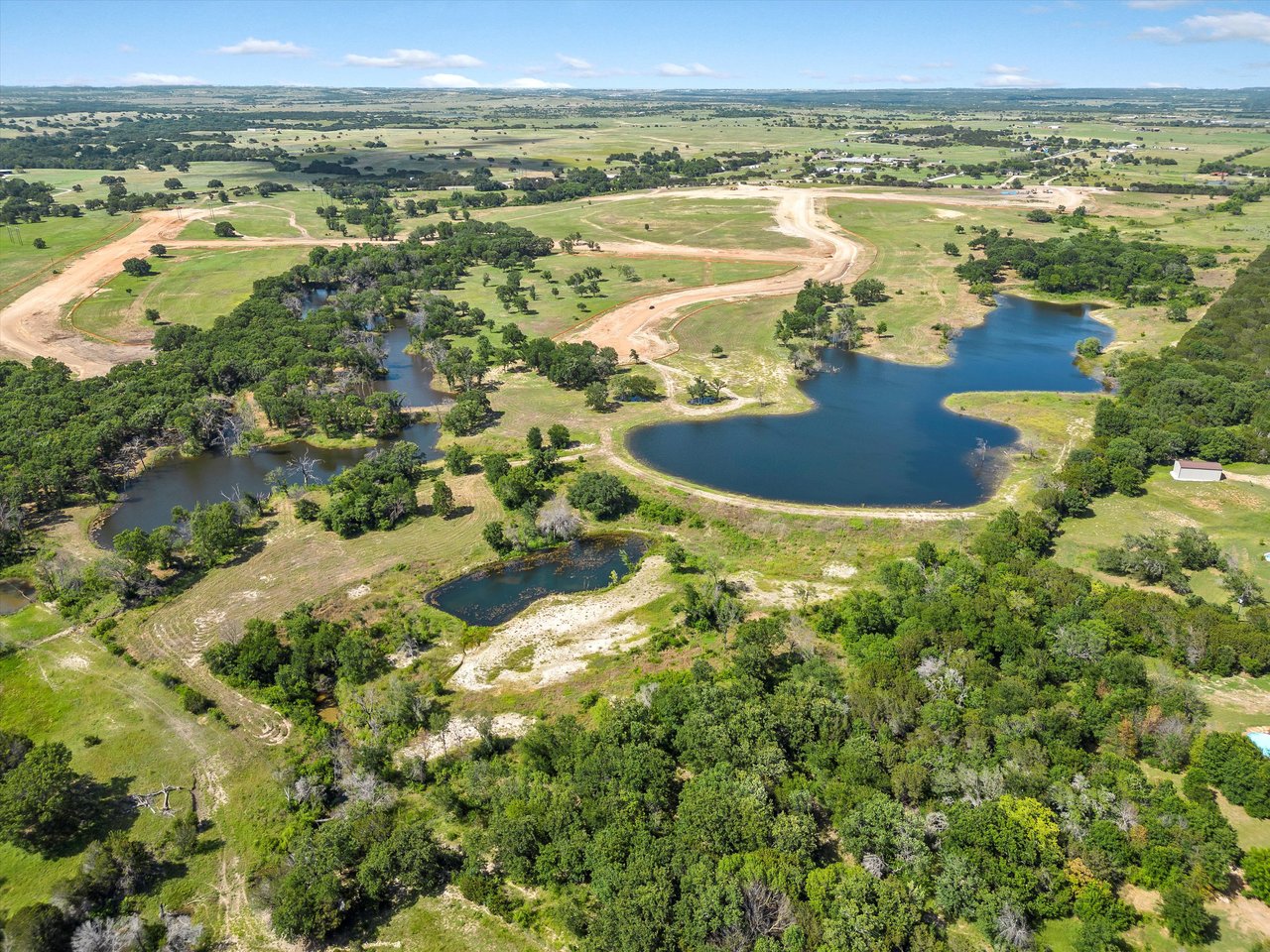
Explore land for sale in Hood County, TX — from 11 to 159 acres in Tolar and Granbury. See ranches, acreage homesites, and my personal journey owning Texas land.
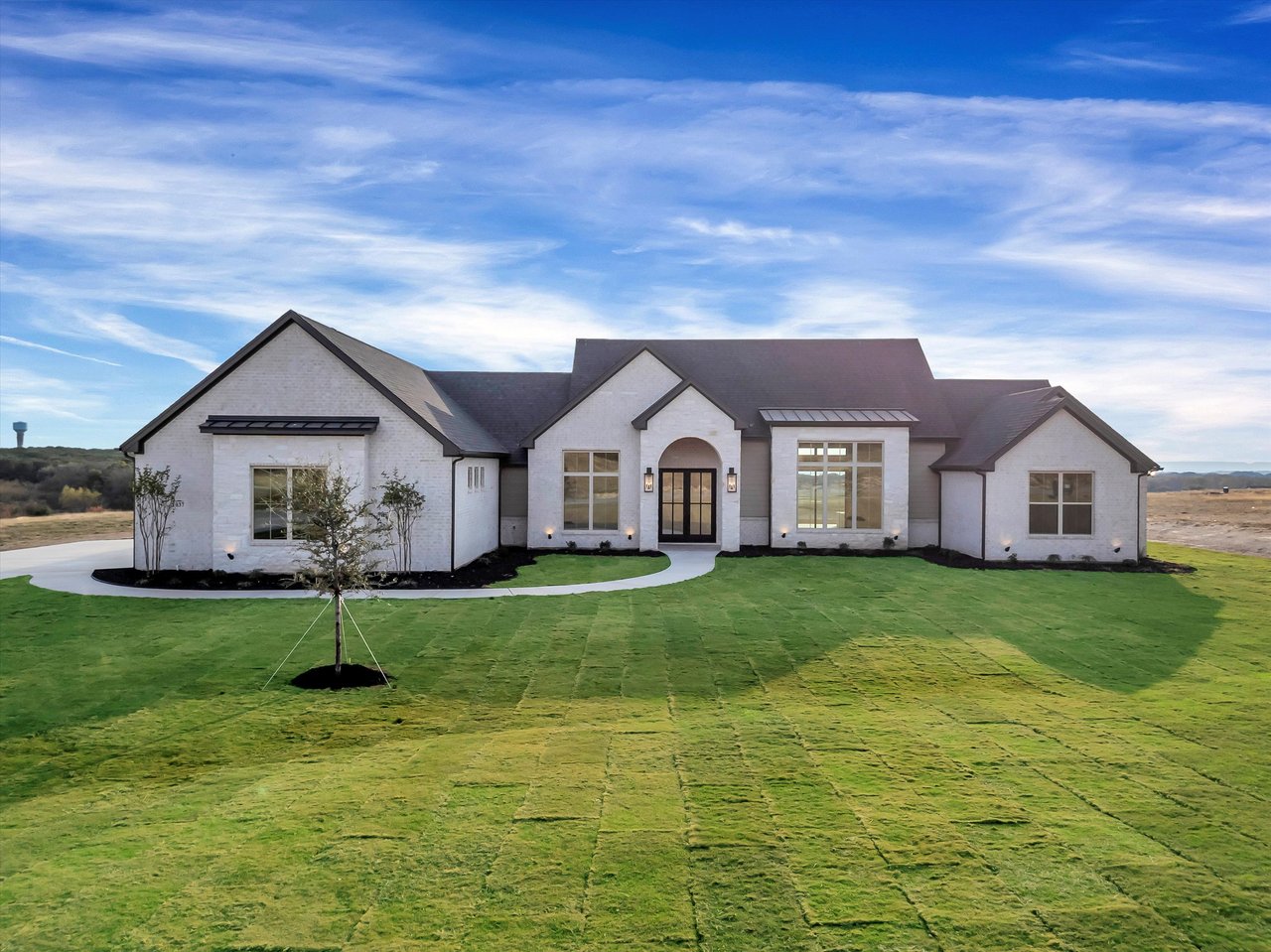
A look into new construction in Granbury

Relocating to a new place can be an exciting yet daunting decision.
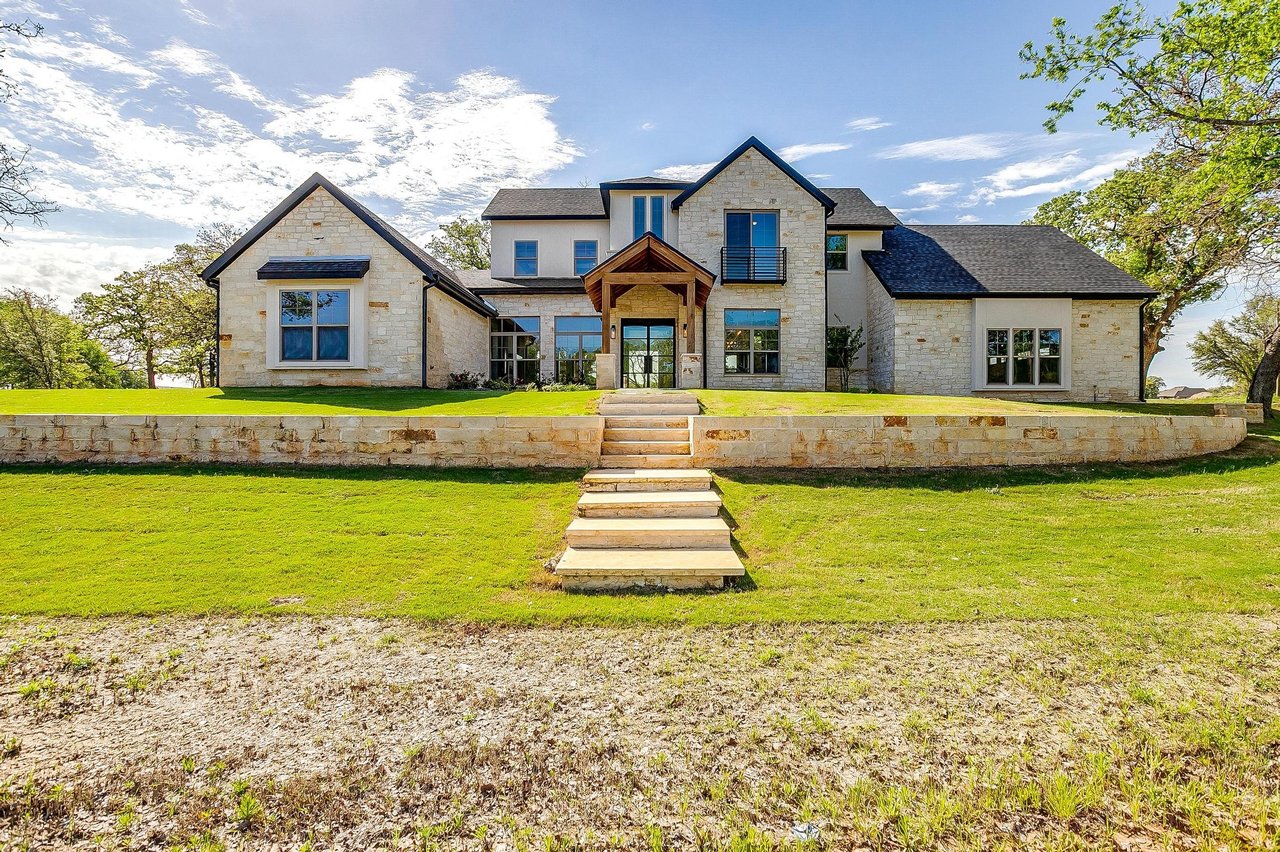
Offers an unparalleled blend of history, culture, and modern living.
Get assistance in determining current property value, crafting a competitive offer, writing and negotiating a contract, and much more. Contact me today to start your home searching journey!