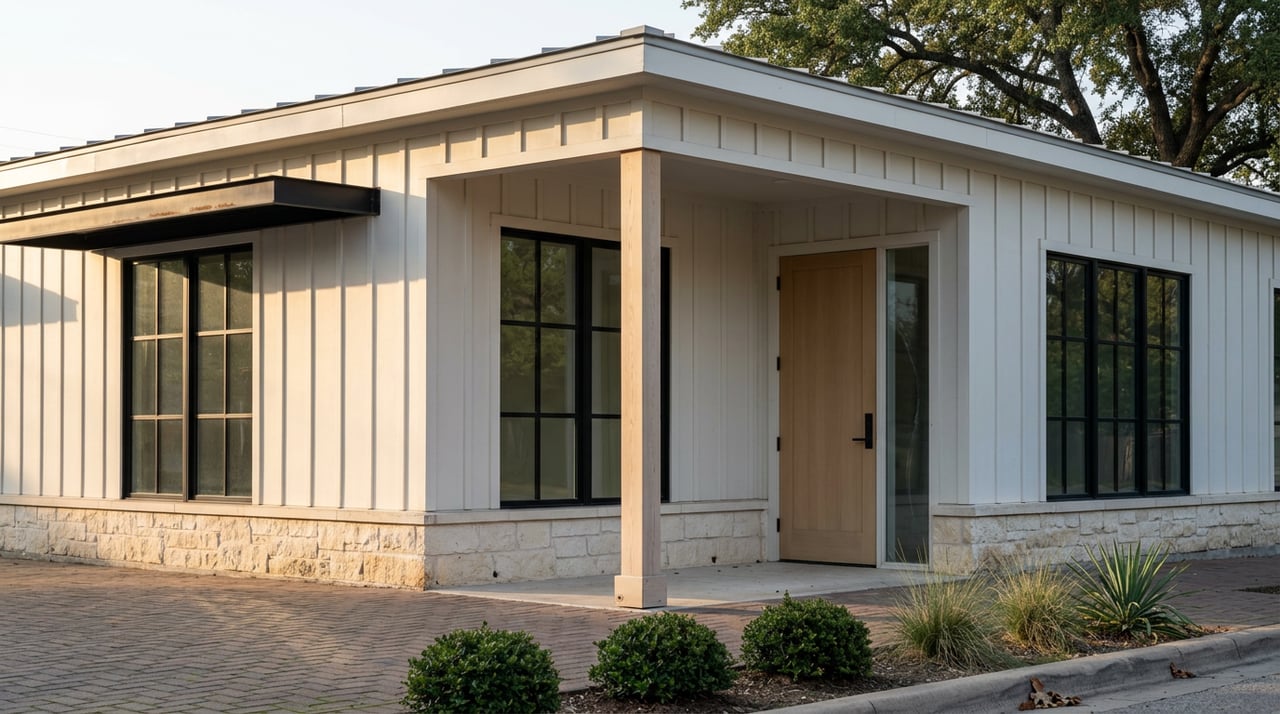
Front Street Didn't Wait for the State to Notice
August 20, 2026
August 20, 2026
On a Monday evening in Aledo, the parking lot at the Community Center starts filling with folding tables around 3 p.m. Farmers Market regulars set out tomatoes and honey and whatever came out of the ground that week, and by the time the sun starts to lean west, families are walking over to Front Street, where the after-work crowd is already collecting at a handful of storefronts that didn't exist five years ago.
In February 2026, the Texas Historical Commission announced that Aledo had joined 23 other Texas communities in its First Street Initiative, a program built to help small-city downtowns organize around historic preservation and revitalization. It's the kind of news that sounds like a press release and reads like a formality. But residents who've actually watched Front Street change over the past couple of years already know the more interesting detail isn't that the state noticed downtown Aledo. It's when.
Every business that now defines Front Street's identity was already open before the Commission got involved. Press Café. Pulido's Kitchen & Cantina. El Chatos Tacos & Tequilas. The private investment moved first. The state designation is the paperwork catching up to something that had already happened on the ground.
Press Café opened at 109 S. Front Street in February 2024, the second location from Fort Worth restaurateur Felipe Armenta, developed with his partner Graham Elliot, the two-time Michelin-starred chef, under their FAR Out Hospitality banner. It brought a full bar, a seasonal menu built by executive chef Efrain Cruz, and a Saturday-Sunday brunch that runs into the afternoon. Pulido's Kitchen & Cantina followed as a newer arrival, adding to what was already a growing lineup of Tex-Mex and Mexican fare on and around Front Street. El Chatos Tacos & Tequilas joined the block more recently too, bringing wall-to-wall televisions and a curated tequila selection to a stretch that used to close early most nights.
None of that required a state program. It required customers willing to drive into downtown Aledo on a Tuesday, and apparently there were enough of them.
Then, at its January 2026 meeting in Houston, the Texas Historical Commission voted Aledo and 23 other communities into the 2026 First Street cohort, a mix of towns and neighborhoods that included Glen Rose, Mansfield, and the Handley neighborhood of Fort Worth. The city's own announcement, posted February 17, framed it plainly: Aledo wants tools to help it grow well, not just grow.
First Street isn't funding. It's access. According to the Texas Historical Commission, participating communities connect to THC programs and services, build a peer network with other downtown districts, and get exposure to best practices in downtown management. Aledo's own release names four areas local leaders plan to focus on with that access: local business support, public space activation, placemaking, and community events.
Mayor Shane Davis put it this way when the news came out:
"Downtown is the heart of this community, and participation in the Texas Historical Commission's First Street Initiative will provide us with valuable tools and partnerships to help us thoughtfully honor and strengthen our historic core, support local businesses and ensure downtown remains a vibrant gathering place for generations to come."
First Street is also a documented on-ramp to something bigger. Communities that complete the program's benchmarks, things like asset mapping and downtown property inventories, can apply for the Texas Main Street Program, which connects downtown districts to design services, small business development support, and a state improvement fund that has distributed almost $20 million to Main Street communities since 1993. Aledo isn't there yet. It's at the starting line, with a state agency now paying attention to what happens next on Front Street.
What makes Front Street work right now is that two different economies are running on the same block at the same time, and neither one has replaced the other.
| Business | Front Street role | What it anchors |
|---|---|---|
| Aledo Diner (213 N. Front St.) | Breakfast and lunch, open mornings into early afternoon, Monday through Saturday | The daytime, everyday-errand crowd |
| Dayne's Craft Barbecue | Lunch and takeout | Weekday regulars, city-named "community favorite" |
| Press Café (109 S. Front St.) | Breakfast through dinner, full bar, weekend brunch | The evening and destination-dining crowd |
| Pulido's Kitchen & Cantina | Dinner, Mexican and Tex-Mex | Newer families and after-work traffic |
| El Chatos Tacos & Tequilas | Late-night, sports bar format | Weekend and event-night crowd |
The city's own description of the district captures this without trying to: Front Street offers "a walkable downtown experience with local shops, restaurants and gathering spaces," and names Press Café, Aledo Diner, and Dayne's Craft Barbecue together as the community's favorites, an old-guard breakfast counter and a chef-driven newcomer mentioned in the same breath. That's not an accident of marketing copy. It's what a downtown looks like when new investment lands on top of an existing rhythm instead of replacing it.
Long before Press Café signed a lease, Aledo residents were already doing the thing First Street is designed to encourage: showing up downtown on a schedule. The Farmers' Market has run out of the Community Center parking lot on Monday afternoons, historically from 3 to 7 p.m. as weather allows, for years. It's the kind of low-key, no-permit-required placemaking that state programs spend years trying to manufacture from scratch, and Aledo already had it running before anyone from Austin got involved.
That's worth sitting with. The First Street Initiative's stated goal is public space activation, and the Community Center lot has been doing exactly that on a weekly cadence without any state help. What the designation likely changes isn't whether that habit continues. It's whether the city starts building around it more deliberately, coordinating the market with downtown events, formalizing vendor space, or connecting it to the historic core in ways that make the whole district read as one continuous experience instead of a market next to a restaurant row.
Aledo's three signature city-run events fall across the calendar year: Aledo Summer Blast in early summer, Christmas Tyme in Aledo in December, and Aledo Fest in the fall. The city's own event page describes Aledo Fest as a downtown gathering with live music, kids' activities, vendor booths from local businesses, and food trucks serving what the city calls "good eats and autumn treats." In recent years it's landed in mid-to-late October. Given the city's current push through First Street, this year's Fest is worth watching not just for the food trucks but for whether it looks different, more coordinated with the district, more tied into whatever placemaking language shows up in city communications between now and then.
Most downtown revitalization stories run the other direction: a city applies for a designation, hoping the recognition will attract the investment. Aledo's sequence is backwards, and that's actually the more useful piece of information for anyone who already lives here. The businesses came first because the demand was already there. The state designation is a signal that the Texas Historical Commission has noticed what Front Street already proved on its own, which means the next round of attention, whether that's a façade grant, a Main Street application, or some coordinated events calendar, has real customer traffic to point to rather than a hope that traffic will show up.
If you live near Front Street, the practical takeaway isn't complicated. Keep an eye on the city's quarterly updates as the First Street program develops, because the four focus areas the mayor named, business support, public space activation, placemaking, and community events, are specific enough that changes should be visible on the ground within the next year or two. In the meantime, the diner still opens at 6, the market still sets up on Mondays, and the block keeps adding names to a list that started well before the state got involved.
If you're curious about what any of this means for property values or timing around Aledo's Front Street corridor, that's a longer conversation, and one VYBE with Eric is always glad to have. Reach out anytime to schedule a consultation with Eric Wilkins and the team.
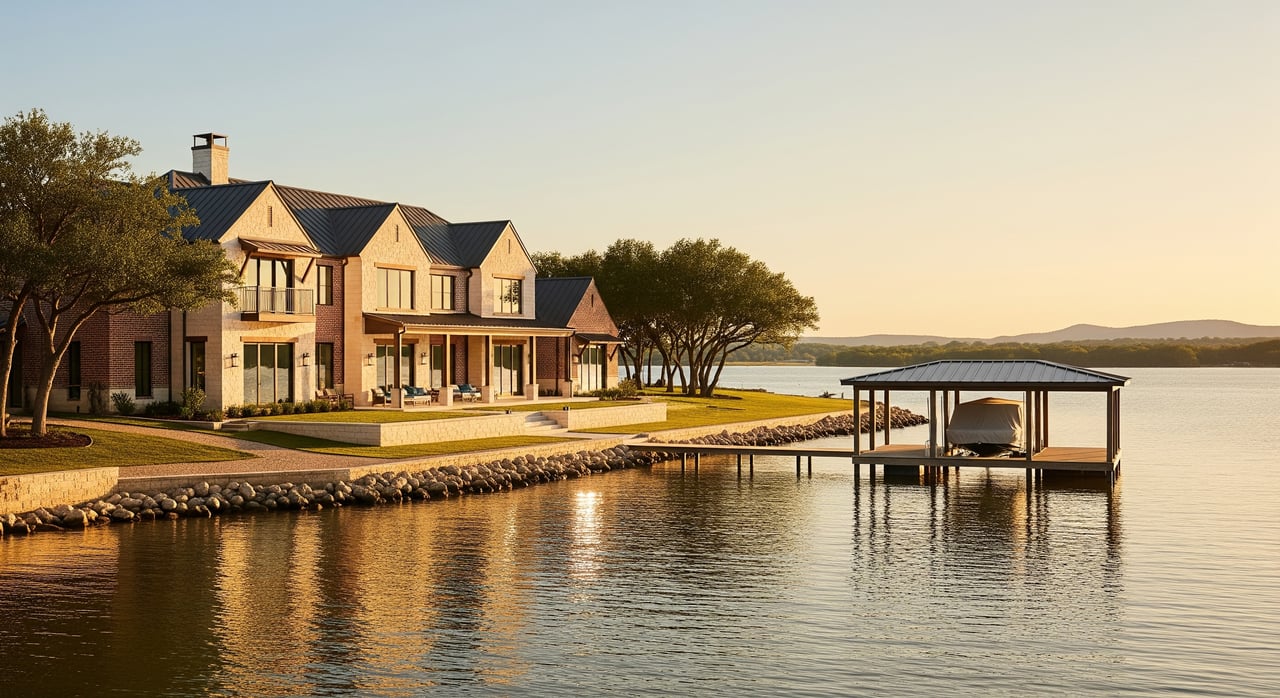
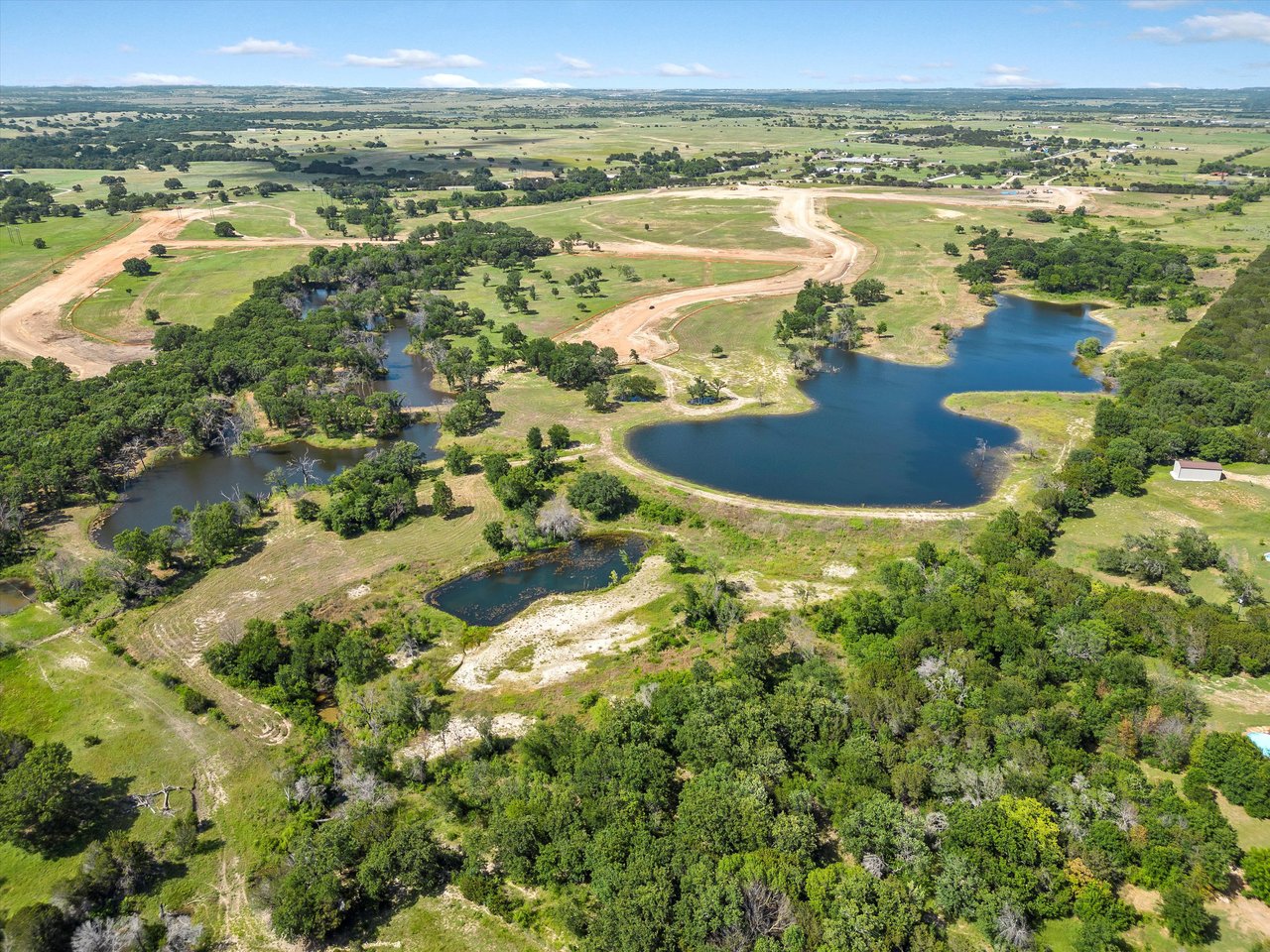
Explore land for sale in Hood County, TX — from 11 to 159 acres in Tolar and Granbury. See ranches, acreage homesites, and my personal journey owning Texas land.
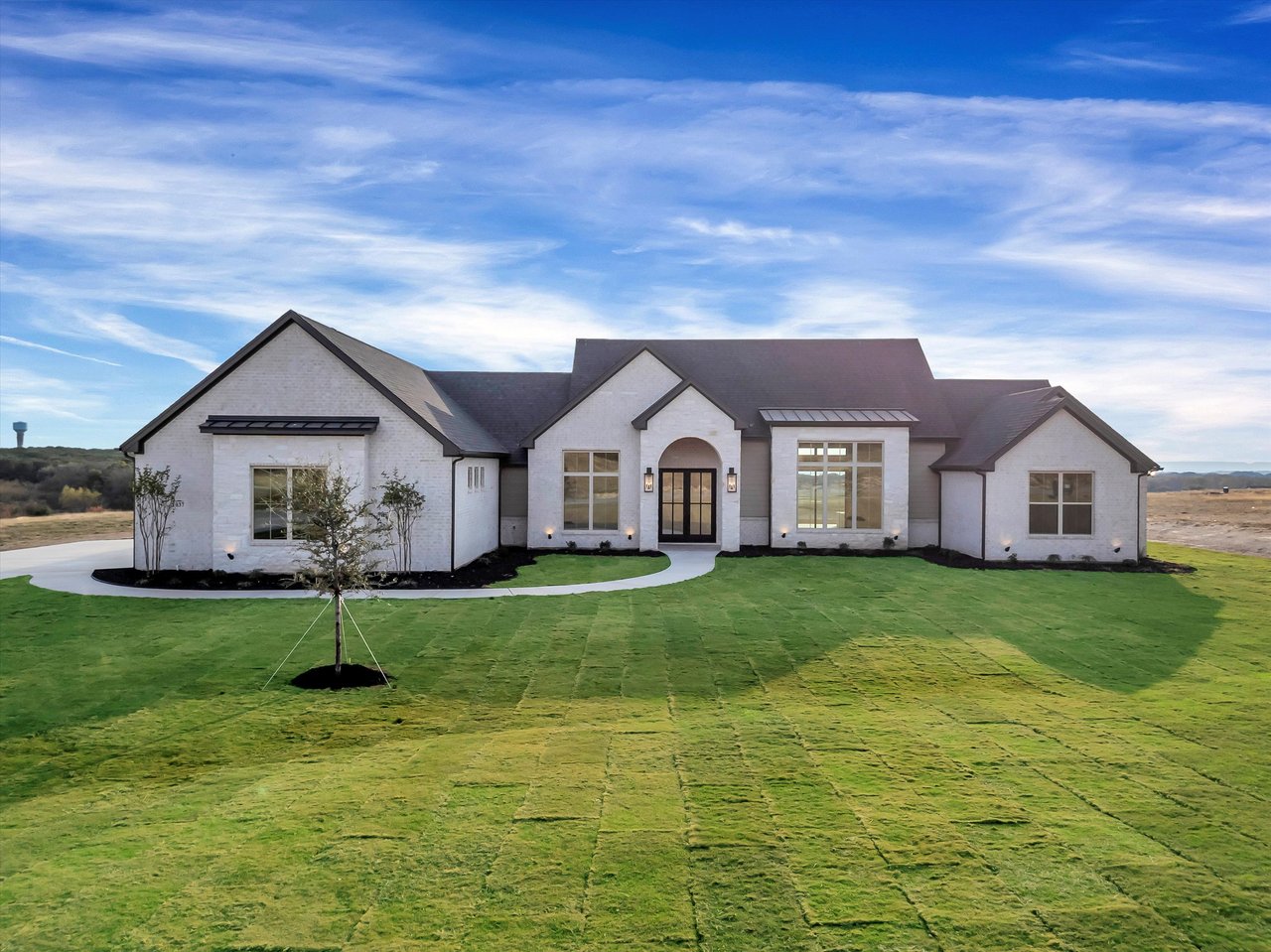
A look into new construction in Granbury
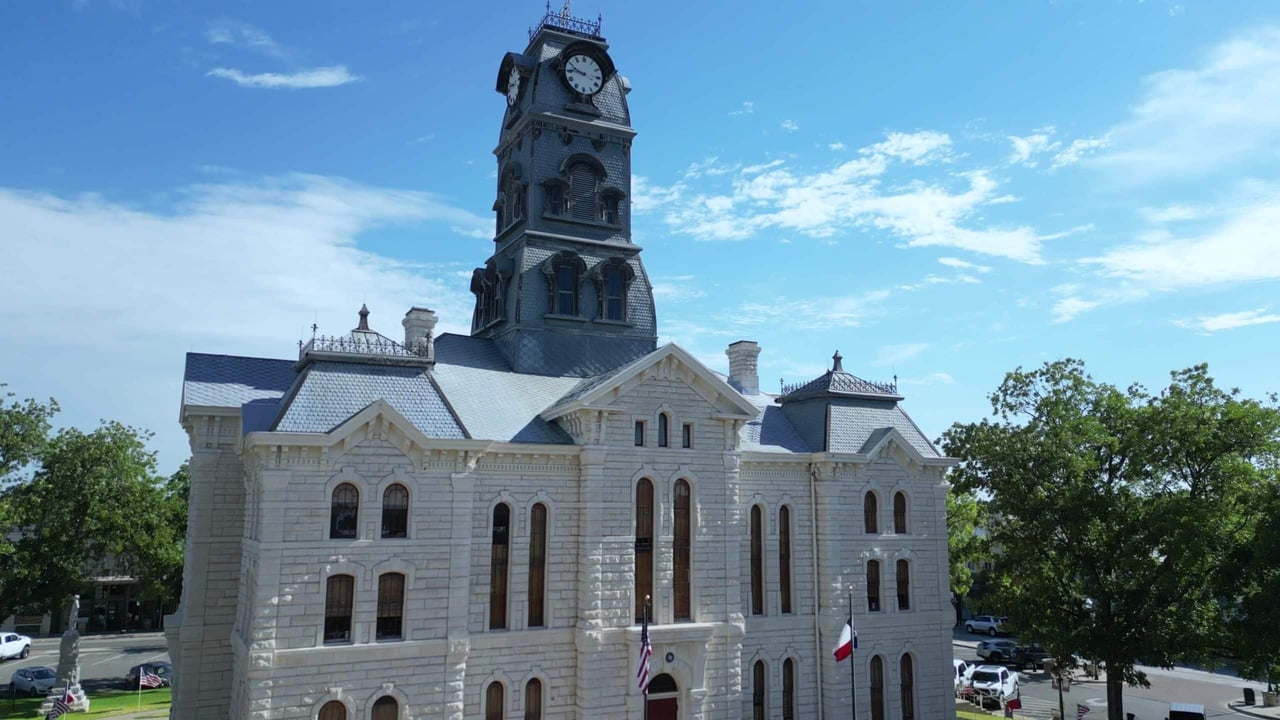
Relocating to a new place can be an exciting yet daunting decision.
Offers an unparalleled blend of history, culture, and modern living.
Get assistance in determining current property value, crafting a competitive offer, writing and negotiating a contract, and much more. Contact me today to start your home searching journey!