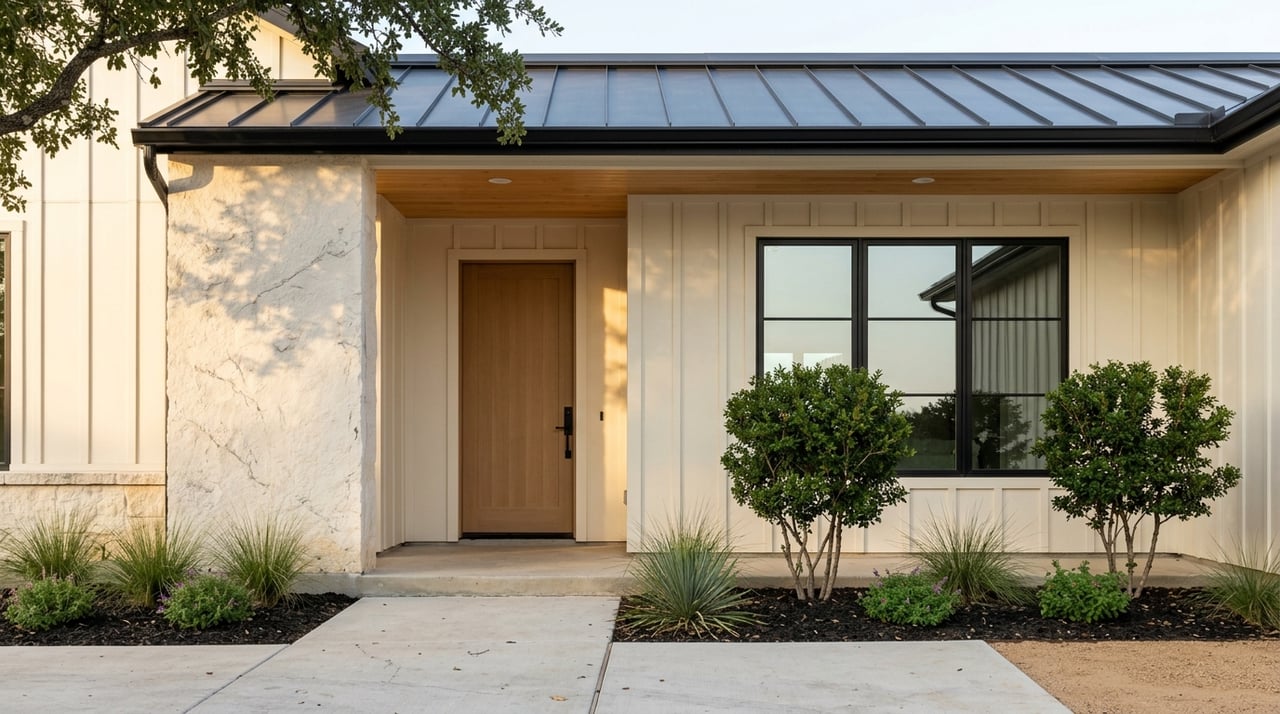
Building A Custom Home In Rolling Creek Ranch
May 28, 2026
May 28, 2026
Thinking about building a custom home in Rolling Creek Ranch? It is easy to focus on floor plans, finishes, and views, but in this community, your lot, your phase, and your approval path can shape the entire experience. If you want to build with fewer surprises, you need a clear picture of the rules, utilities, and early due diligence that matter most. Let’s dive in.
Rolling Creek Ranch is a gated community outside Granbury, about 30 minutes from Fort Worth and roughly 10 minutes from downtown shopping, golf, medical facilities, and the lake along the North Shore of the Brazos River. The HOA describes the neighborhood as a place for original and custom-built homes used as weekend retreats, vacation properties, or full-time residences.
For many buyers, that mix is the appeal. You get an acreage-style setting with custom-home potential, while still staying close to daily conveniences and the broader Fort Worth-Arlington area.
In Rolling Creek Ranch, lots vary widely, and the minimum lot size is one acre. That means the lot’s shape, slope, tree cover, and sight lines can matter just as much as the size on paper.
Before you get too attached to a specific design, look at how the home will sit on the property. A lot with more slope, heavier tree cover, or tighter placement options may affect driveway layout, drainage planning, outdoor living space, and where you can place future structures.
This is one reason custom-home planning here should begin with site feasibility. In practical terms, the lot often tells you what kind of home will work best.
One of the smartest first steps is to confirm the exact recorded phase and restrictions for the lot you want. The community’s public documents include a March 2026 certificate or memorandum, 2025 supplements, builder resources, and a 2020 final plat map, which means older listing remarks or marketing language may not tell the full story.
If you are comparing lots, do not assume the same standards apply across every phase without checking. Taking time to verify the latest documents early can help you avoid design changes, delayed approvals, or incorrect assumptions about what is allowed.
Rolling Creek Ranch requires an ACC request before any exterior modification, change, repair, replacement, removal, or addition. For a new custom home, that makes architectural review a central part of the process, not a box to check later.
The HOA also notes that each property is reviewed on its own facts. That matters because your plan may be affected by the lot’s visibility, grading, placement, and how accessory features fit into the overall site design.
The HOA’s architectural documents page includes example files for pool renderings and fence surveys. That is a strong sign that items like pools, fences, and similar exterior improvements should be treated as part of your up-front approval strategy.
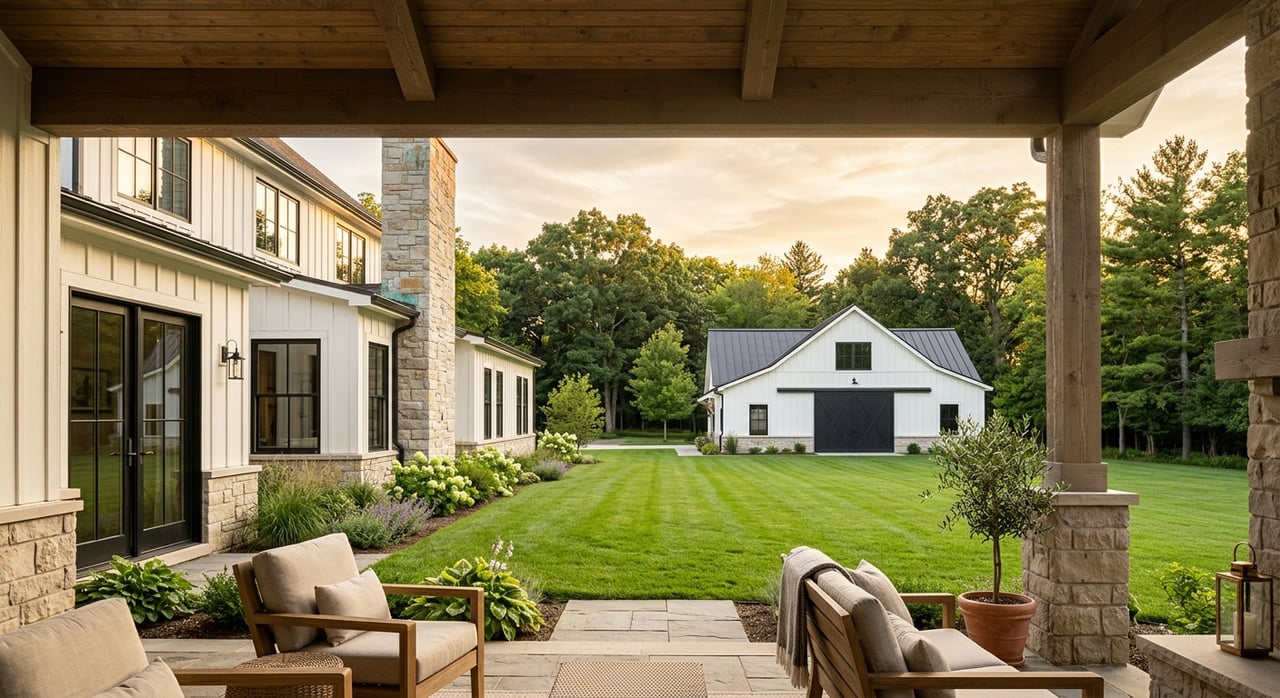
If your vision includes a shop, barn, detached garage, or similar structure, bring that into the design process early. In Rolling Creek Ranch, accessory buildings are allowed under specific rules and ACC review.
The policy says these structures must sit behind the main dwelling. Larger buildings must use a permanent foundation, roof materials must match the main dwelling, and portable storage buildings are not allowed.
Vehicle doors generally need to face the side or rear lot line unless the ACC grants a variance. In some cases, waivers may be possible when a structure is not visible from streets, common areas, or neighboring property and still fits the community scheme.
That means your detached building is not just a later add-on. It should be part of your initial lot planning, placement, and approval package.
Screening is another detail that can affect your site plan more than you might expect. The accessory-building policy calls for screening pool equipment, trash containers, yard tools, wood piles, compost piles, utility meters, and similar items with approved walls or landscaping.
If you want a clean, polished finished product, this is actually helpful to know up front. It gives you a chance to design these practical areas into the overall layout instead of trying to hide them after construction is complete.
In Hood County, an on-site sewage facility permit is required before any OSSF is constructed or installed, regardless of lot size. The site evaluation must be completed by a licensed site evaluator or licensed professional engineer.
For buyers building in Rolling Creek Ranch, this makes septic planning an early due diligence item, not a late-stage task. If a lot is in a FEMA special flood hazard area or otherwise limited by county water-protection rules, those conditions can shape the home’s layout and placement from the beginning.
This is one of the biggest reasons to study the lot before finalizing plans. A beautiful floor plan still has to work with the site and county requirements.
Beyond HOA review, Hood County rules say driveway or utility construction in the right-of-way requires a county permit. The county standards also say private gated entrances must preserve access for county and utility providers.
That tells you something important about building here. This is not only an architectural review process. It is also a coordination process that can involve HOA requirements, county standards, utilities, and site-specific construction details.
Rolling Creek Ranch lists AMUD as the water provider, United Cooperative Services as the electric company, Spectrum in Phase 1, Windstream in all phases, and Republic Services for trash. AMUD states its water quality meets or exceeds federal and state standards, and United’s tariff places Hood County in its service area.
For most buyers, the key takeaway is simple: verify utilities for the exact lot you are considering. Internet service is phase-specific, so it is worth confirming broadband options early if you work from home, stream heavily, or plan to spend extended time at the property.
The community’s builder code of conduct sets clear expectations during construction. Work is limited to 7:00 a.m. to 5:00 p.m. Monday through Saturday, with no work on Sundays or federal holidays.
The code also says there can be no lot clearing or portable toilets until permits are in hand and written ACC approval has been granted. Builders are expected to keep sites clean, limit noise, and follow respectful gate and access practices.
For you as a buyer, this matters because builder experience can directly affect how smooth the process feels. A builder who already understands HOA-controlled acreage communities is often better prepared to manage these details without unnecessary delays.
A practical path for building in Rolling Creek Ranch looks like this:
This order matters because it reduces the risk of redesigns. It also helps align your home design with county and HOA requirements before money and time are spent in the wrong place.
One part of the timeline is defined by Hood County’s OSSF permitting procedures. A complete application can receive a decision within 30 days if all required information is submitted and no issues are found.
Still, that is only one step in the overall process. ACC review, design revisions, utility coordination, weather, and construction schedules can all extend the full custom-home timeline.
That is why it helps to think in stages rather than a single finish date. Good planning usually creates a better experience than rushing to break ground.
If you are interviewing builders for a Rolling Creek Ranch project, ask whether they have completed homes in HOA-controlled acreage communities. You want someone who can navigate ACC approvals, septic planning, driveway permits, utility coordination, and screening requirements without treating them like surprises.
Helpful questions include:
The goal is not just to find a builder with a strong portfolio. It is to find one with a process that fits this community.
In Rolling Creek Ranch, the lot, the phase, and the approval path are just as important as the house itself. That is especially true if you are building a custom home with a detached shop, pool, expanded driveway, or other site-specific features.
The more you verify before you commit, the more confidence you can have in your budget, timeline, and final design. Strong due diligence helps protect both your vision and your build experience.
If you are exploring lots or planning a custom build in Rolling Creek Ranch, working with a local advisor who understands Granbury and Hood County can help you ask sharper questions earlier. When you are ready to talk through lot selection, builder fit, or the custom-home path in this area, connect with Eric Wilkins.

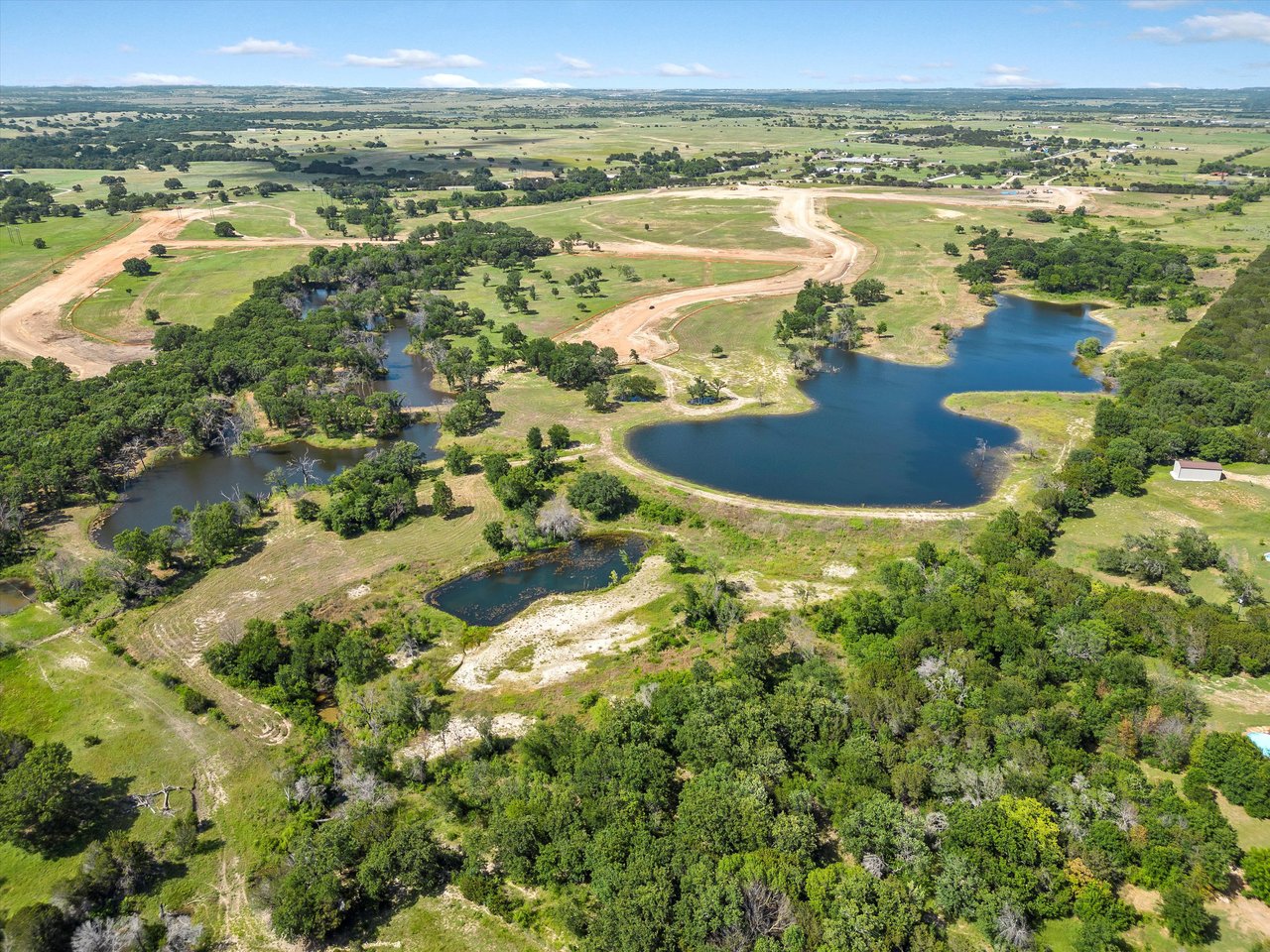
Explore land for sale in Hood County, TX — from 11 to 159 acres in Tolar and Granbury. See ranches, acreage homesites, and my personal journey owning Texas land.
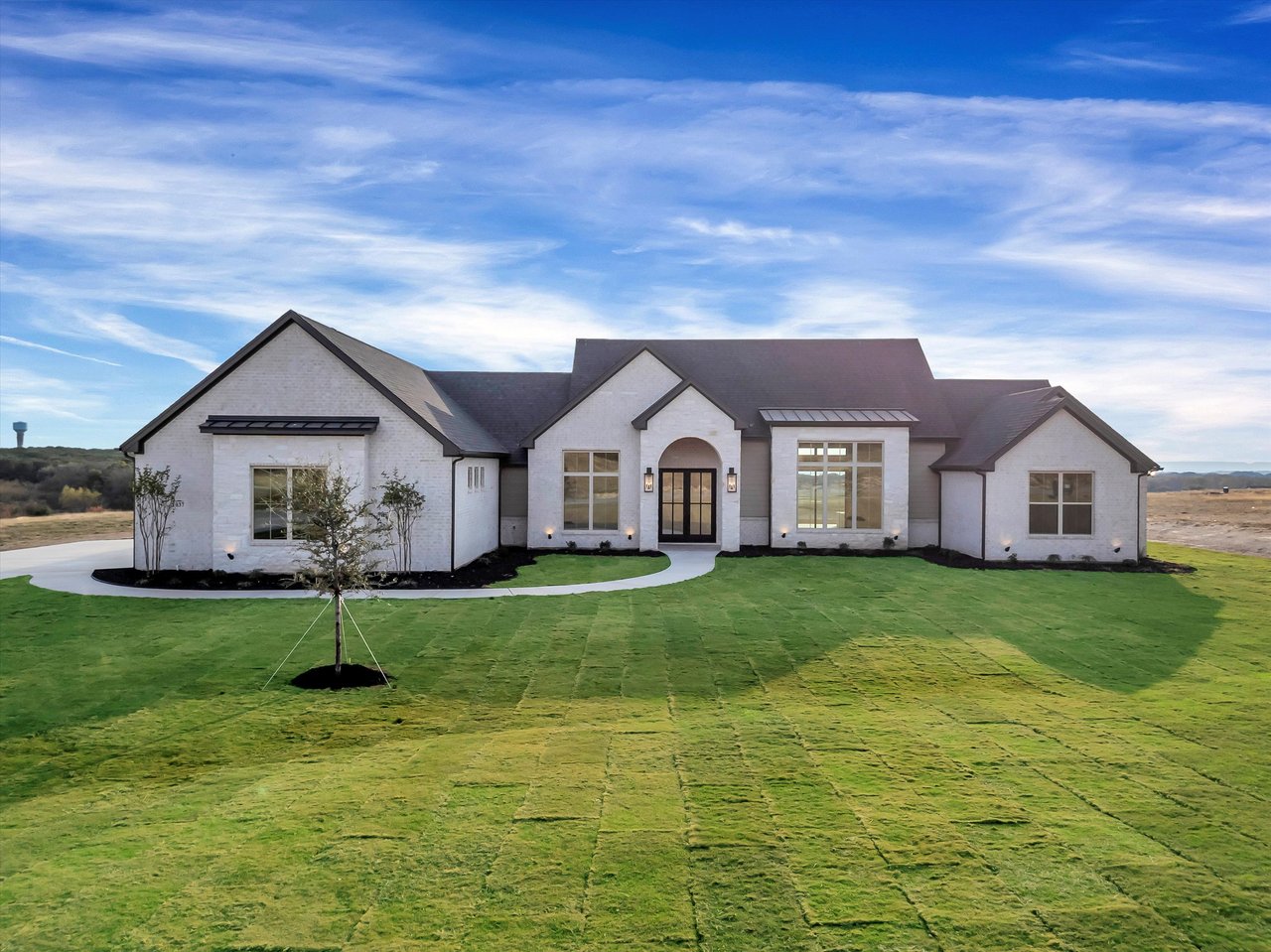
A look into new construction in Granbury

Relocating to a new place can be an exciting yet daunting decision.
Offers an unparalleled blend of history, culture, and modern living.
Get assistance in determining current property value, crafting a competitive offer, writing and negotiating a contract, and much more. Contact me today to start your home searching journey!