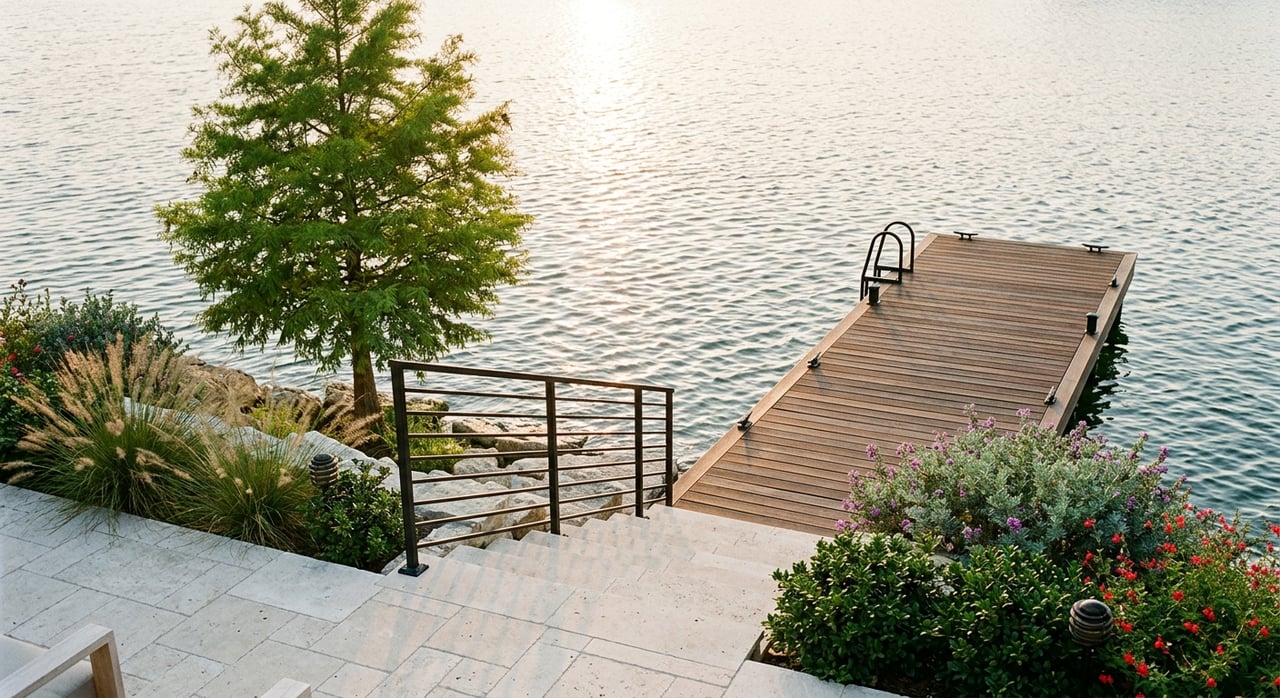
Your Guide to Granbury Luxury Lakefront Homes
May 7, 2026
May 7, 2026
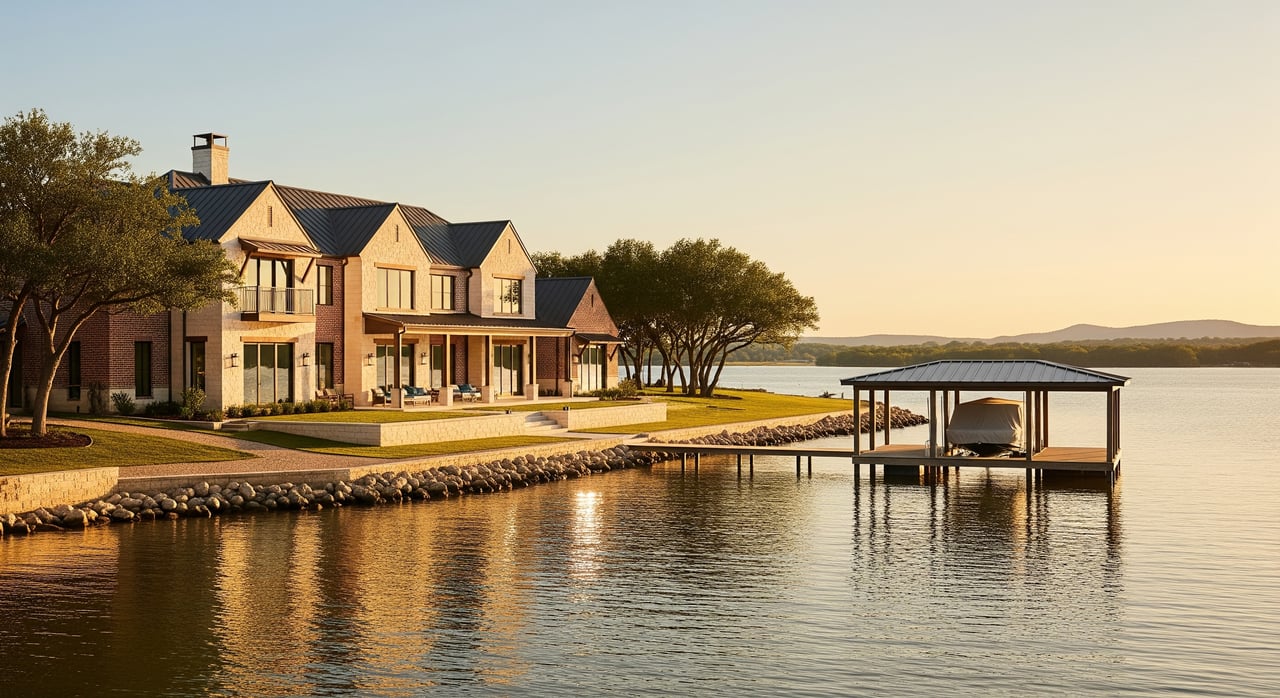
Wondering whether a “lakefront” home in Granbury will actually give you the boating, views, and privacy you picture? That is one of the biggest questions luxury buyers face here, because not all waterfront lots on Lake Granbury function the same way. If you want to buy with confidence, you need to look past the photos and understand water depth, dock rules, shoreline condition, and neighborhood structure before you make an offer. Let’s dive in.
Lake Granbury offers a strong lifestyle draw for buyers who want water access near downtown Granbury and within reach of Fort Worth. The lake sits on the Brazos River and includes a long, highly segmented shoreline shaped by extensive residential development.
That layout matters because “waterfront” can mean very different things from one property to the next. Some homes sit on open water, some are canal-front, and some are better described as view-oriented properties with limited direct boating function.
The Brazos River Authority says Lake Granbury has 121 miles of shoreline and an extensive system of man-made canals. Its canal study found average canal depths around 7 feet, with a measured range of roughly 1.5 to 12 feet, and about 45 percent of dock structures located on canal systems.
For you as a buyer, that means the same price category can deliver very different day-to-day experiences. A property that looks ideal online may feel very different once you evaluate boat access, water movement, sun exposure, and shoreline design in person.
Before you focus on finishes or architecture, start with the lot’s water setting. This is one of the most important filters for any luxury lakefront purchase in Granbury.
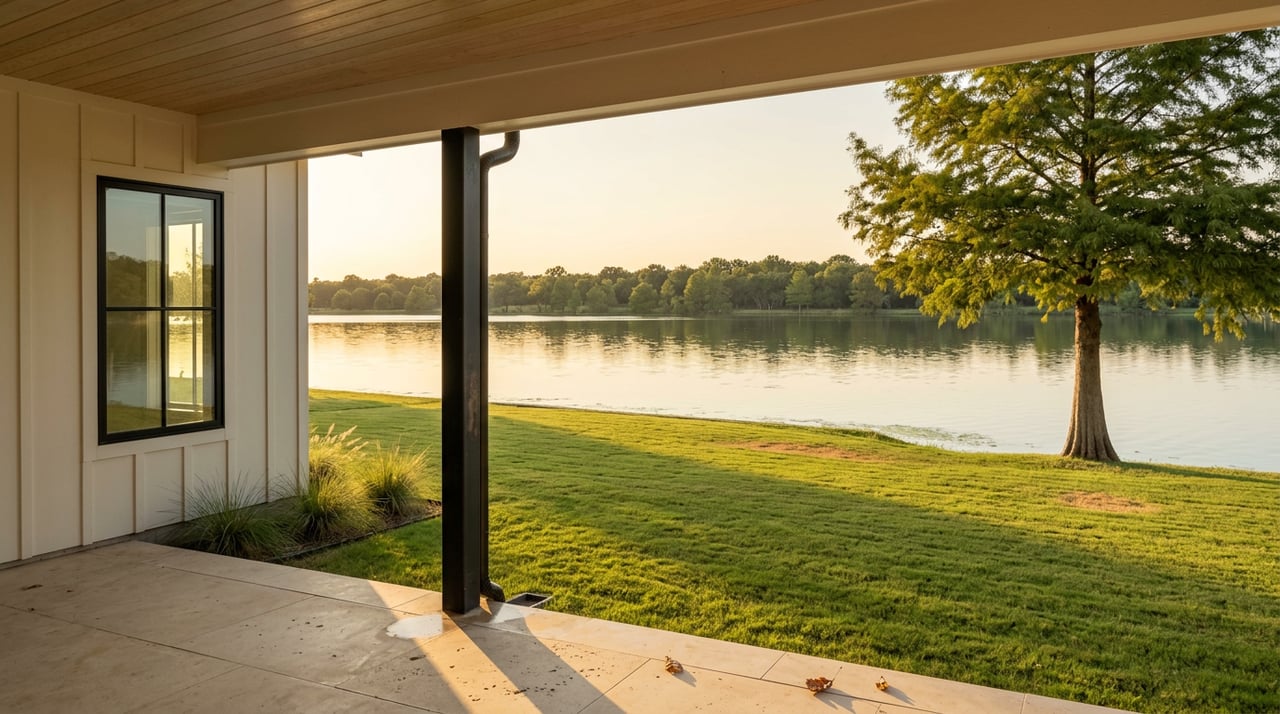
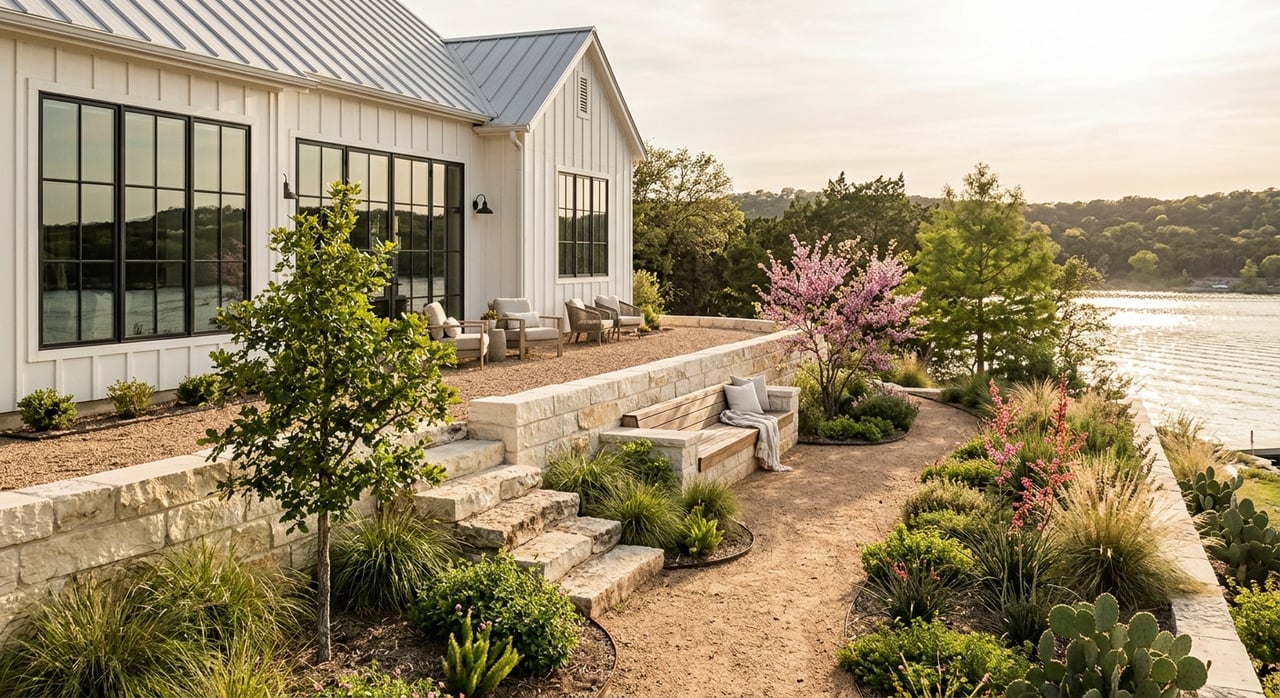
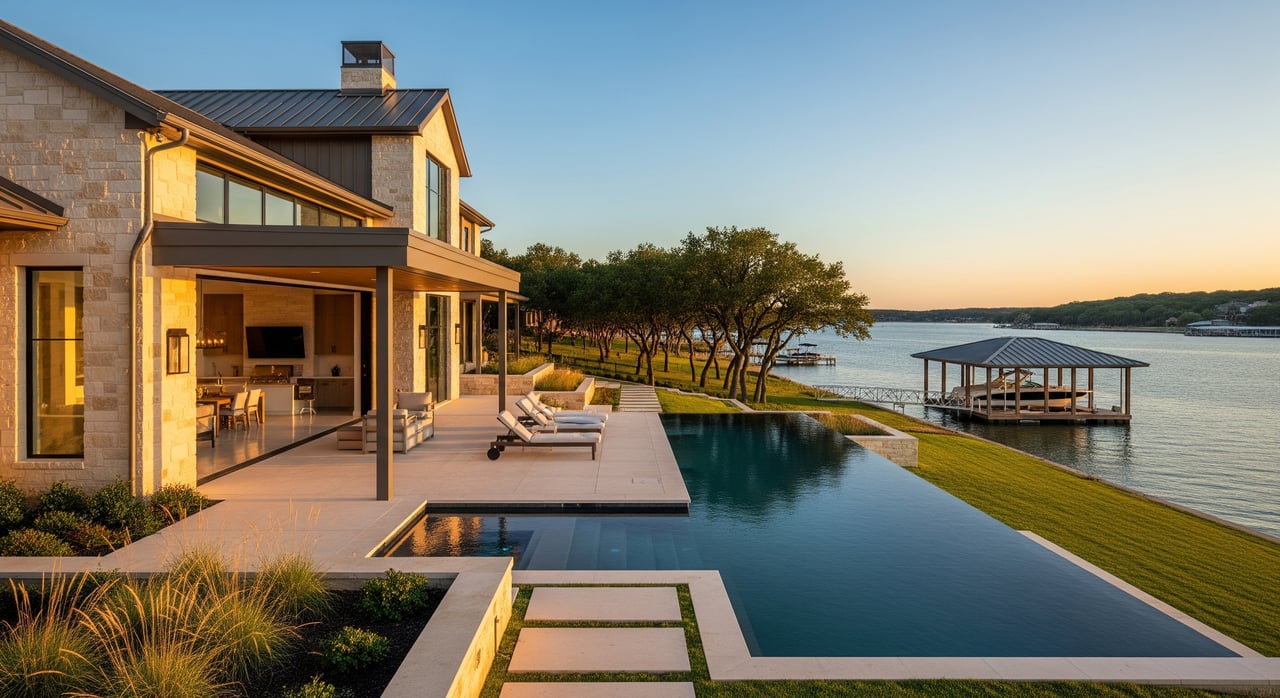
Open-water properties usually offer wider views, stronger visual connection to the lake, and a more expansive waterfront feel. They can be a strong fit if you care most about scenery, entertaining, and direct lake presence.
At the same time, open-water lots may have more wind exposure and a different shoreline feel than protected canal properties. On a long, narrow lake like Granbury, lot orientation can influence privacy, sun, and view corridors in a meaningful way.
Canal-front properties can offer easier docking conditions and a more sheltered setting. For some buyers, that convenience is a major advantage, especially if you want quick boat access from the backyard without as much exposure to open-water conditions.
But canal depth can vary quite a bit. Since BRA reports canal depths ranging from about 1.5 to 12 feet, you should confirm how much usable water the property has, especially during lower lake stages.
Some homes may market the water view more than the water function. You may have a beautiful setting without the dock potential or boating access you expect.
That is why the first question to answer is simple: Is this property truly open-water, canal-front, or primarily view-oriented? Once that is clear, the rest of your due diligence gets much easier.
One of the biggest mistakes luxury buyers make is assuming today’s water conditions tell the full story. On Lake Granbury, they do not.
Texas Parks and Wildlife lists the reservoir with a maximum depth of 75 feet. BRA’s Water School says the average depth is 16 feet and the deepest point is 67 feet, and BRA also notes that the lake can fluctuate by up to 30 feet.
That range is important because a property that works well at one lake stage may function differently at another. Dock usability, boat clearance, and shoreline access can all change materially as water levels move.
When you tour a property, ask not just how it looks on the day you visit, but how it performs over time. If the home is canal-front or in a shallower stretch, that question becomes even more important.
If private dock access is part of your plan, do not leave that question for later in the transaction. Dock eligibility and permitting should be confirmed early.
BRA says it does not charge an annual fee for on-water or dock facilities on Lake Granbury. However, a new dock, an addition to an existing dock, or a transfer of title triggers a one-time permit and inspection fee of $75.
BRA also says residential dock footprints generally cannot exceed 2,000 square feet. Any change in dock footprint needs approval, and each dock should display a visible permit plate.
That leads to a practical takeaway for buyers: confirm the dock’s permit status and whether the lot can support the setup you want. If you are relying on dock access as part of your purchase decision, BRA recommends confirming dock eligibility with an inspector before you rely on it in a contract.
Luxury lakefront value is not just about the house. The shoreline itself plays a major role in usability, maintenance, and future improvements.
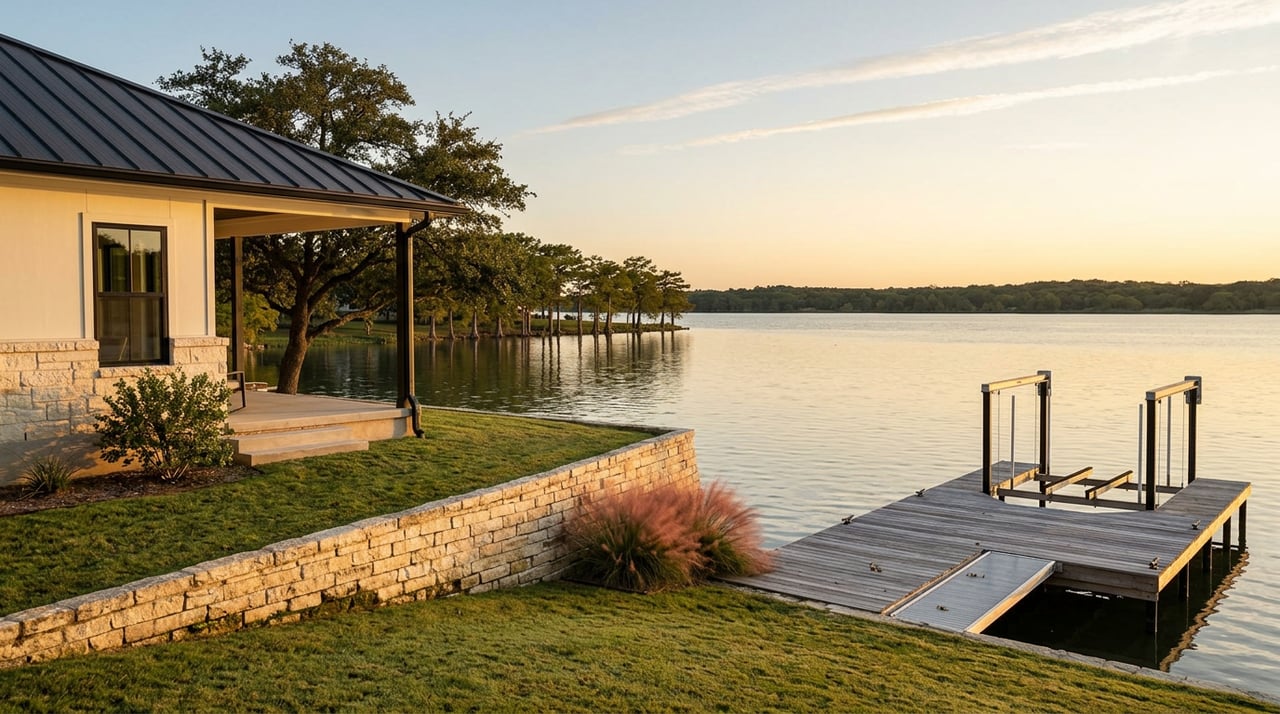
BRA says erosion-control improvements such as retaining walls and seawalls are tied to the 693-foot mean sea level shoreline reference and require a Residential Improvement Permit. That means shoreline work is not simply a cosmetic issue.
As you evaluate a property, inspect whether the site already has a seawall or retaining wall, whether it shows signs of wear, and whether the shoreline can support the dock layout you want. A beautiful rear elevation loses some appeal if the shoreline needs significant repair or limits future use.
Not every part of the lake feels the same once you start using it. Traffic, wake conditions, and nearby public access points can affect how peaceful or active a shoreline feels.
BRA says private buoys are not allowed on Lake Granbury. It also says wake boats, surf boats, and airboats are allowed only if they follow wake zones, and no-wake zones are used around narrow or shallow waters, obstructions, swimming areas, marinas, and other hazard-prone or congested areas.
BRA also notes that Lake Granbury has five public use areas with boat ramps and related park features. If you want a quieter shoreline experience, it is worth understanding whether a property sits near one of those busier stretches.
Granbury’s luxury waterfront options are not one-size-fits-all. The right fit depends on whether you want club amenities, a gated setting, larger estate lots, or a more traditional HOA neighborhood with lake access.
Pecan Plantation offers an amenity-rich, estate-style environment with access to Lake Granbury and the Brazos River. The community highlights golf, tennis, swimming, a marina, parks, a commercial center, and an airpark, with 17 miles of the Brazos River around the peninsula.
For you, that can mean a broader lifestyle package beyond a typical lake subdivision. It may appeal if you want a property tied to a large amenity ecosystem rather than a simple waterfront address.
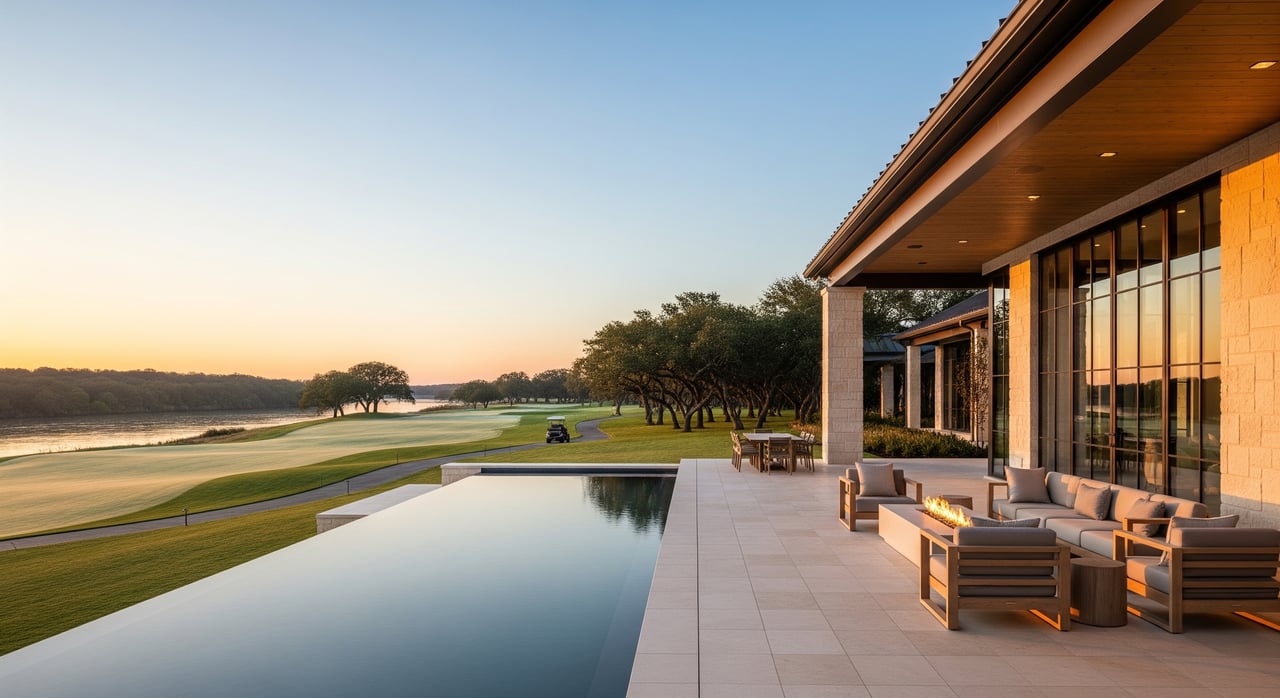
DeCordova Bend Estates is a gated golf-course community with waterfront views, golf, tennis, a pool, a fitness center overlooking the marina, and controlled access for members and guests. It stands out for buyers who want a managed-gate environment with mature amenities.
If lifestyle structure and gated access are high on your list, this is one of the clearest matches in the Granbury market. It blends waterfront appeal with established club-style infrastructure.
Harbor Lakes combines lake-adjacent living with a separate golf-club component. According to the HOA, some homes are on the shores of Lake Granbury, others sit along the golf course, and homes without docks can use the community boat ramp.
This can work well if you want flexibility in how you use the lake. It is also a reminder to review section-specific fees carefully, because waterfront sections may carry added assessments.
Grand Harbor is a gated community on Lake Granbury with estate lots of 2 acres, some with docks, and custom-built homes. It is located about 3 miles southeast of the historic town square.
For buyers seeking more land, a custom-home feel, and a gated setting, Grand Harbor stands out. Its published POA and ACC documents also suggest a design-control environment common in high-end custom neighborhoods.
Other Granbury communities can still offer strong lake access, but with a different feel than club-oriented neighborhoods. Canyon Creek provides a residential community structure with amenities like a clubhouse, dock, and playground.
Indian Harbor is especially relevant if canal-front boating access matters to you. BRA’s canal study places it within the lake’s canal system and notes 258 dock structures and 3 ramps.
Comanche Cove offers a larger neighborhood setting with 2,364 lots, along with amenities such as a swimming pool, boat ramp, and parks. For some buyers, that broader neighborhood format can be a better fit than a more formal club environment.
Luxury buyers often expect higher carrying costs, but the structure of those costs can vary sharply from one Granbury community to another. You should review not just the amount, but also how the charges are layered.
Harbor Lakes’ 2026 assessment schedule shows some sections at $600 in general assessments, while waterfront sections are listed at $975 with a separate waterway assessment. Other sections may have higher totals when road, storm, or maintenance obligations are added.
By contrast, Lake Granbury Harbor lists a $48 per lot annual fee on its homepage. That difference is a good reminder that dues can range from modest to highly segmented depending on the neighborhood and the specific section.
Some communities may also have club or amenity membership structures separate from HOA dues. Before closing, verify whether ownership includes amenity access automatically or whether separate membership, transfer, or usage rules apply.
When you are buying a luxury lakefront property in Granbury, it helps to stay focused on the details that most often affect enjoyment and future resale.
The best luxury lakefront purchase in Granbury is not always the one with the most dramatic photos. It is the property that matches the way you actually want to live, whether that means open-water entertaining, protected canal access, a gated golf setting, or a custom estate lot near town.
When you understand water depth, lake stage, dock permissions, shoreline condition, and neighborhood cost structure, you can make a cleaner decision with fewer surprises. That kind of clarity is especially important in a market where two waterfront homes can offer very different ownership experiences.
If you are exploring luxury lakefront homes in Granbury and want local guidance grounded in how these properties really function, schedule a consultation with Eric Wilkins.
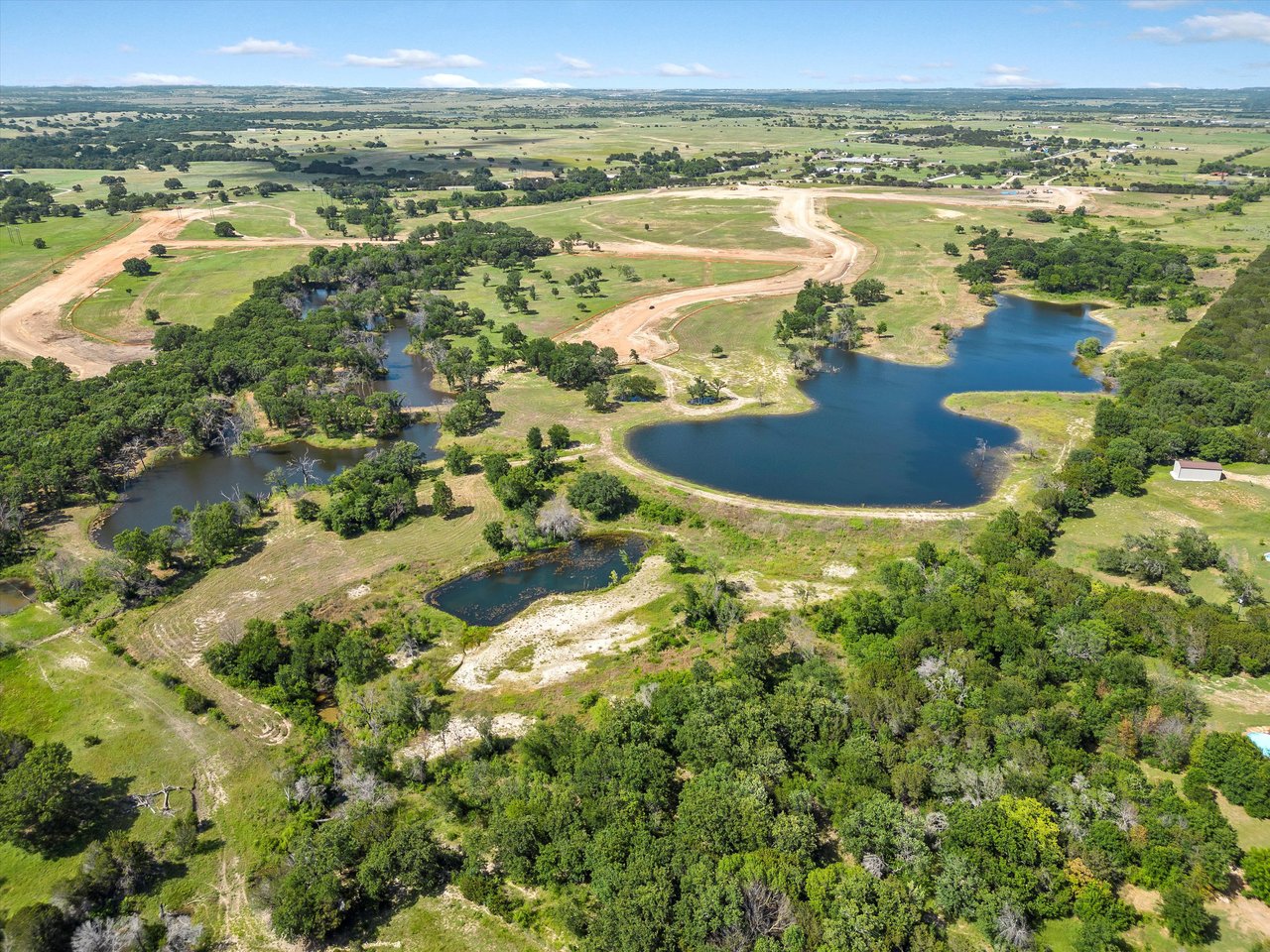
Explore land for sale in Hood County, TX — from 11 to 159 acres in Tolar and Granbury. See ranches, acreage homesites, and my personal journey owning Texas land.
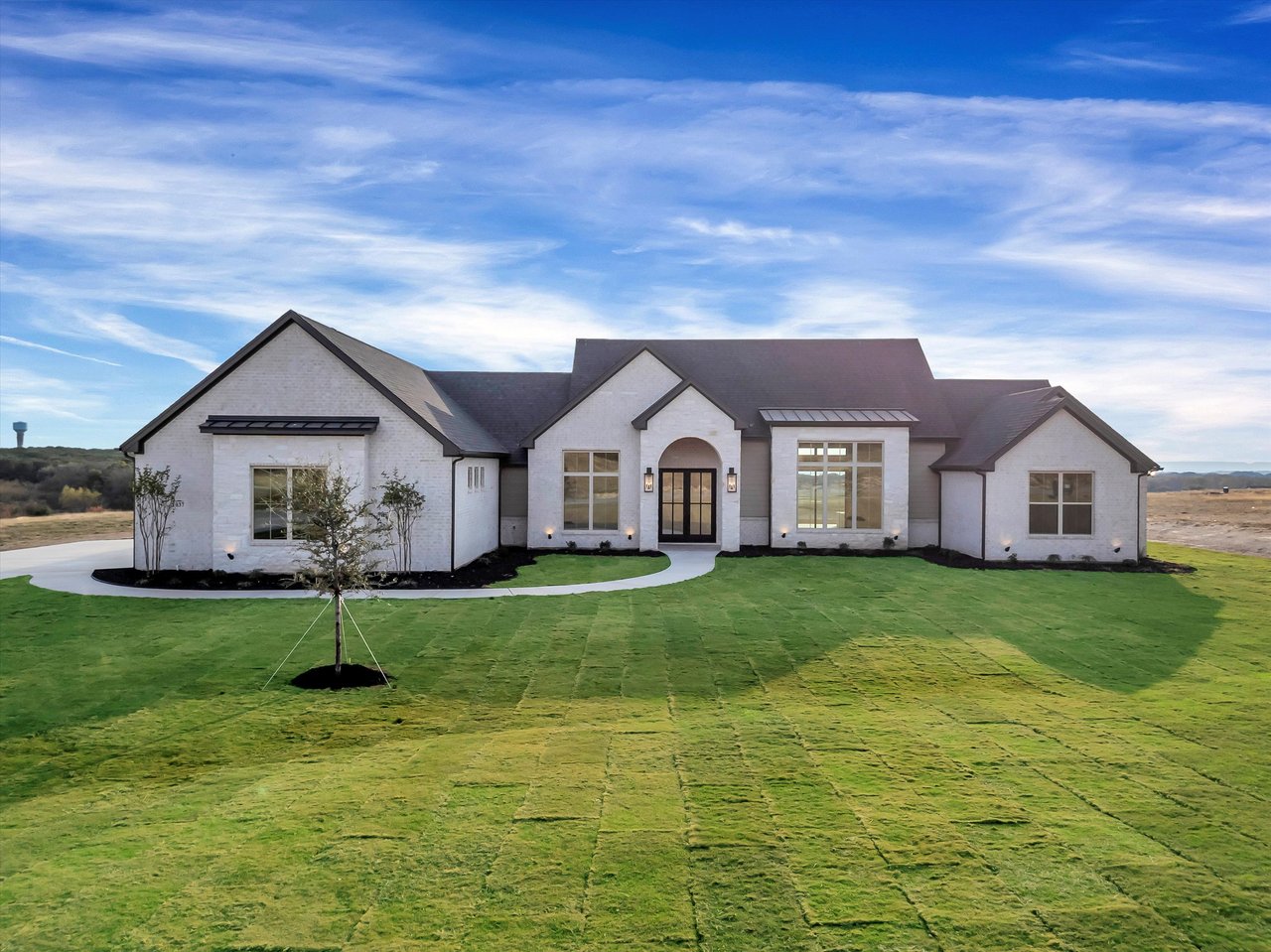
A look into new construction in Granbury

Relocating to a new place can be an exciting yet daunting decision.
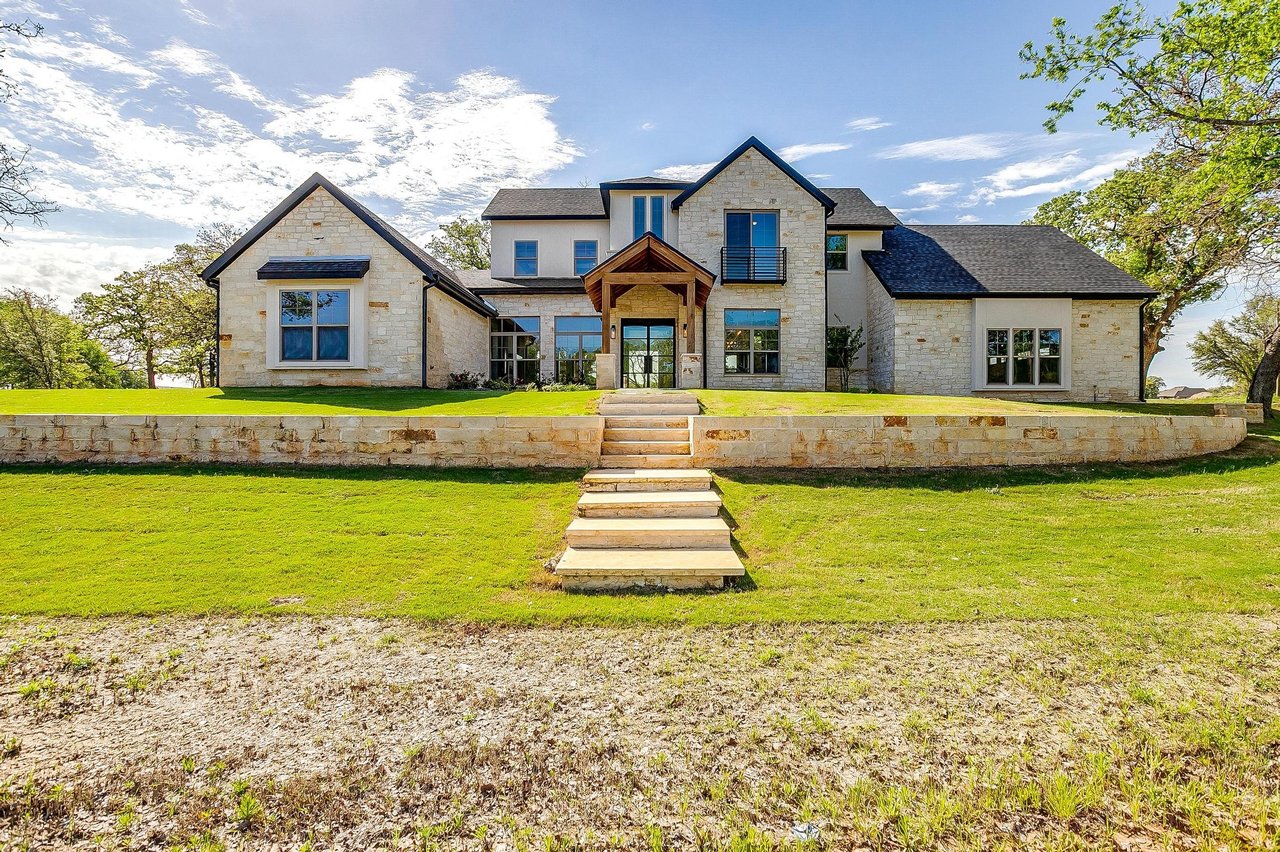
Offers an unparalleled blend of history, culture, and modern living.
Get assistance in determining current property value, crafting a competitive offer, writing and negotiating a contract, and much more. Contact me today to start your home searching journey!