Guide to Buying Pecan Plantation Airpark Homes
April 23, 2026
April 23, 2026
If you are dreaming about taxiing from your home to the runway, buying in Pecan Plantation can feel like a rare opportunity. It can also get complicated fast once you look past the lifestyle appeal and into airport rules, HOA requirements, lot restrictions, and financing details. This guide will help you understand how airpark ownership works in Pecan Plantation so you can buy with more clarity and fewer surprises. Let’s dive in.
Pecan Plantation is a gated, 3,000-acre community in Granbury, located on the Brazos River below Lake Granbury dam and about 35 miles from Fort Worth. Beyond its aviation appeal, the community includes golf, a marina, tennis, equestrian facilities, trails, and security gates, which creates a broader lifestyle draw for buyers and can matter for future resale. You can learn more about the community through the Pecan Plantation Property Owners Association overview.
For aviation-minded buyers, one of the biggest distinctions is that Pecan Plantation has two airports, not one. The community includes 0TX1, Pecan Plantation Airport, and 66TE, The Landings, and each comes with its own operating details, lot relationships, and ownership considerations.
Buying an airpark home here starts with knowing which airport a property actually connects to. A home described as being in Pecan Plantation is not automatically on a runway lot, taxiway lot, or even in one of the airport-specific sections.
According to the PPOA airpark information, 0TX1 is a privately owned airport with a lighted paved runway identified as runway 1/19, a parallel taxiway, and an alternate grass landing area. PPOA lists the runway at 3,600 by 50 feet and notes a private GPS approach to runway 19 that requires FAA LOA approval. The same guidance also states that aircraft over 12,500 pounds are prohibited.
There is one important detail buyers should not overlook. PPOA guidance says prior permission is not required to land, while the FAA-derived AirNav-style details cited in the research indicate permission is required before landing. If you are a pilot, verify the current procedure with PPOA or community security before you rely on either version.
The Landings runway details list a 3,100 by 50 asphalt runway, designated 17/35, along with 100LL self-service fuel and guest tie-downs. The same source explains that the airpark began in 2010, concrete taxiways were approved and completed in 2017, and runway lights plus a PAPI system were installed by early 2021.
That history matters because it shows this is an actively developed aviation area with real infrastructure costs. The research also notes members were billed an $8,000 special assessment for those improvements, which is a useful reminder to ask about past and potential future assessments during due diligence.
One of the most common mistakes buyers make is assuming every aviation-oriented listing is equally fly-in ready. In reality, parcel details matter.
Recorded Landings documents show that airport-lot owners must be members of both PPOA and LAOA, and that private taxiways are reserved for aircraft movement. The research also notes that restrictions for The Landings and Landings East are separately recorded, which means the exact phase of the property matters when you review title, easements, and permitted improvements.
Before you move forward, confirm whether the parcel is:
That distinction affects how you use the property, what improvements may be allowed, and how you should think about future resale.
Current marketing materials for The Landings homesites advertise runway and taxiway lots of roughly 0.75 to 1.5 acres, a 2,000-square-foot minimum, no time limit to build, and the ability to add a hangar with the residence. Even so, buyers should still verify the exact lot’s restrictions, approval process, and sequencing requirements before assuming a custom hangar plan will work.
In a community like this, lot-specific review matters more than assumptions. If your goal is a home with a particular hangar size, aircraft access pattern, or construction timeline, the recorded documents should guide your decision.
Pecan Plantation is not just a neighborhood with a runway nearby. It is a structured, rules-driven community with airport-specific procedures.
The PPOA fee schedule lists 2026 monthly charges of $118.75 for the lot assessment, $44 for the road assessment, $22.50 for trash pickup, and $20 for VFD-EMS, for a total of $205.25 per month. The same schedule lists a resale certificate fee of $400.31 and an update fee of $80.06, along with construction-related charges such as permit and road impact fees.
If you are buying an airport lot in The Landings, the research indicates you may also need membership tied to airport ownership through LAOA. That makes it especially important to understand not just your purchase price, but also your recurring dues, transaction fees, and any phase-specific obligations.
PPOA’s pilot guidance emphasizes runway etiquette, communication on the published CTAF, and wildlife awareness. In plain terms, this means your ownership experience includes operational expectations, not just property ownership rights.
Visitor access is also controlled. According to the PPOA FAQ, a guest may land after security check-in, and transient parking is available near Plane View Park. That is helpful for visiting pilots, but it also shows why understanding access procedures matters before you buy.
Airpark homes often require a little more planning than a standard residential purchase. That does not mean financing is impossible. It does mean you should start key conversations early.
Fannie Mae guidance states that comparable sales should have similar physical and legal characteristics, and when a property is unique, the appraiser must use the best available sales and market-supported adjustments. You can review that guidance in the Fannie Mae comparable sales resource.
For you as a buyer, the takeaway is simple: a runway or taxiway home may be harder to appraise than a typical home in a standard subdivision. If inventory is limited or the property has unusual features, your lender may need extra time and stronger comparable support.
Because Pecan Plantation sits along the Brazos River and Lake Granbury, flood-zone review should happen early. The Texas Department of Insurance states that standard homeowners insurance does not cover flood damage, and FEMA guidance summarized in the research says federally regulated or insured lenders require flood insurance for buildings in a Special Flood Hazard Area when the loan is federally backed.
That does not mean every property will require flood insurance. It does mean you should verify the exact parcel’s flood-zone status before you get too far into lender review, insurance quotes, or budget planning.
When you buy an airpark home, it helps to think about insurance in layers. Your home policy, any flood insurance need, and your aircraft coverage should be reviewed separately.
For aircraft owners, AOPA explains aviation coverage in terms of separate hull and liability components in its aviation insurance overview. The practical takeaway is that aircraft insurance should not be treated as an automatic extension of your home coverage.
If you own or plan to own an aircraft, build your insurance planning around the property and the aircraft as distinct risk categories.
One of the strengths of Pecan Plantation is that it offers more than aviation. The broader amenity package and established community profile can support demand beyond pilots alone, which may help resale over time.
At the same time, airpark homes remain a niche product. Dual membership structures on airport lots, recorded easements, airport-specific restrictions, special-assessment history, and appraisal complexity can narrow the buyer pool compared with a more conventional home.
That is why the best purchase decisions here balance lifestyle with practicality. If you buy with a clear understanding of lot type, access, dues, restrictions, and financing, you are more likely to enjoy the aviation lifestyle without being surprised later.
If you are serious about buying an airpark home in Pecan Plantation, start with a focused checklist:
These steps can save you time, money, and frustration during escrow.
If you want help evaluating a specific property, comparing airpark options, or understanding how a unique lot fits your goals in Granbury and Hood County, Eric Wilkins can help you approach the purchase with local insight and a clear strategy.

























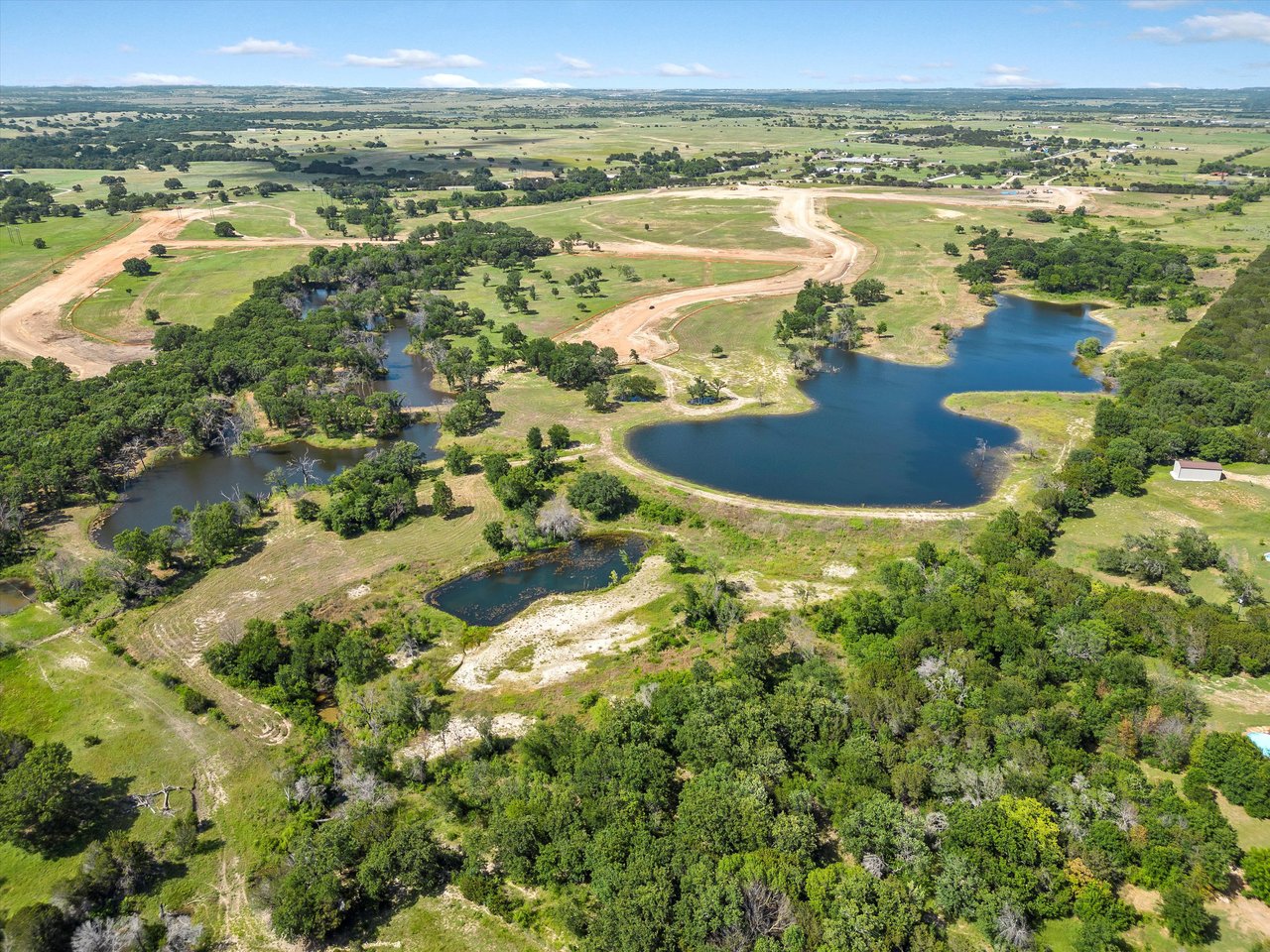
Explore land for sale in Hood County, TX — from 11 to 159 acres in Tolar and Granbury. See ranches, acreage homesites, and my personal journey owning Texas land.
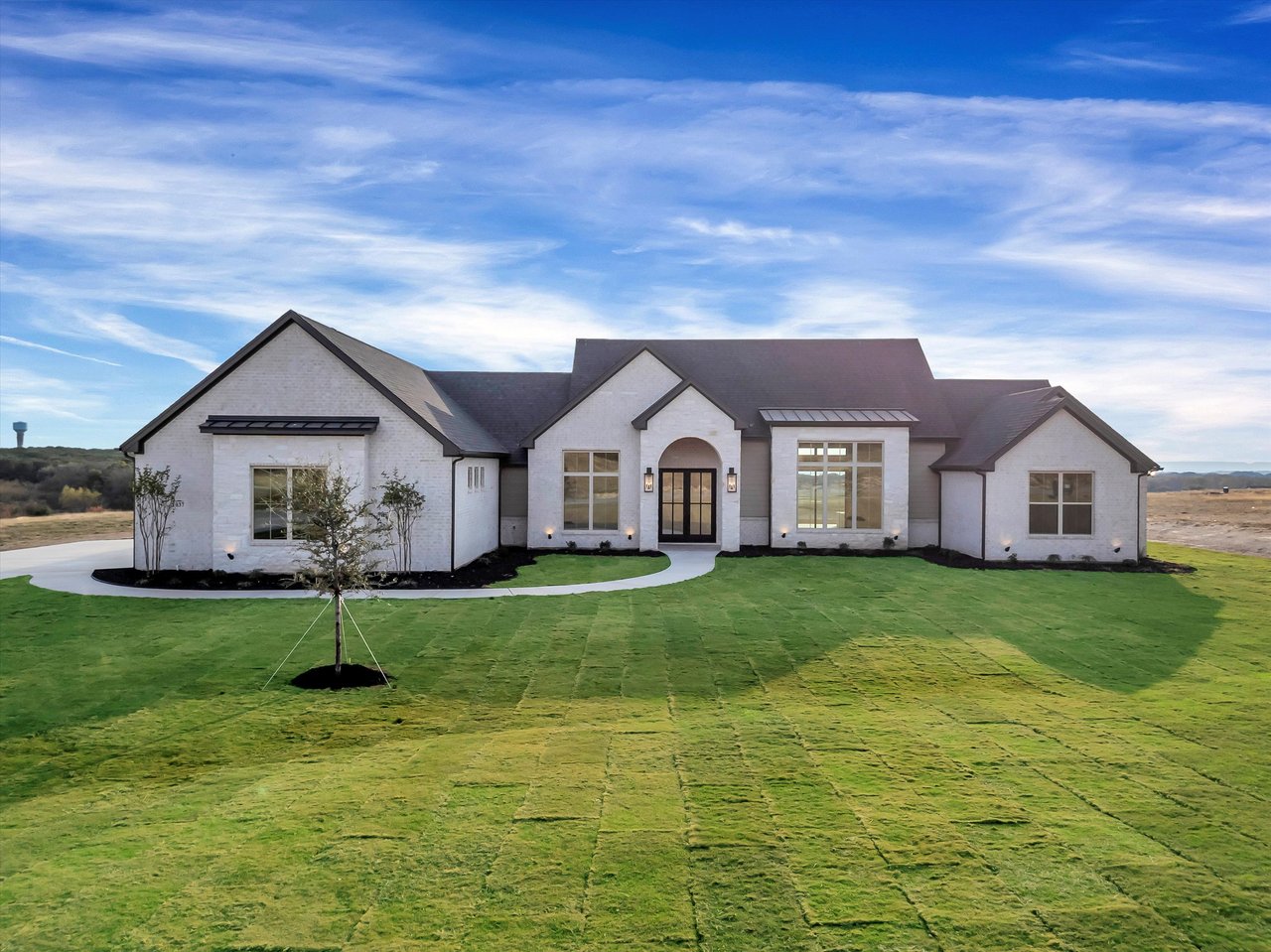
A look into new construction in Granbury

Relocating to a new place can be an exciting yet daunting decision.

Offers an unparalleled blend of history, culture, and modern living.
Get assistance in determining current property value, crafting a competitive offer, writing and negotiating a contract, and much more. Contact me today to start your home searching journey!