DeCordova Bend's City Hall Is Also Where You Book Your Tee Time
September 24, 2026
September 24, 2026
On a Tuesday evening at 5301 Country Club Drive, the parking lot fills with the same mix it always does: golf carts angled in next to sedans, a stack of scorecards on the pro shop counter, and a laminated agenda taped to the clubhouse door. Read past the tee times and the dinner reservation sheet, though, and that agenda says something else entirely. It lists action items, a call to order, a quorum count. The building that hosts the Wednesday men's league and rents its dining room for weddings is, on certain nights, city hall.
That is not a figure of speech. DeCordova is an incorporated city in Hood County, and its municipal government convenes inside the same clubhouse that runs the golf courses, books the tennis courts, and manages the community pool. Most residents already know this in the abstract. Fewer stop to think about what it actually means that a golf club and a city government share one building, one parking lot, and functionally one calendar.
DeCordova incorporated in 2000, which made it one of the newer cities in Texas at the turn of the millennium. Incorporation gave the community its own municipal status separate from Hood County at large, but it did not give DeCordova its own city hall building the way most small Texas towns have one. Instead, the city borrowed the room that already existed: the DeCordova Bend Country Club clubhouse.
That means the same walls that display the golf tournament sign-up sheet also host the meetings where city council sets local policy. The HOA board, which governs the country club side of the operation, meets in the same building under a completely separate governing structure. One set of bylaws runs the club. A different legal framework, Texas municipal law, runs the city. Both bodies answer to overlapping but not identical constituencies, and both use the same conference room to do it.
For a resident, this collapses two administrative relationships into one physical location. A question about a fence height variance might be an HOA matter. A question about a city ordinance is a council matter. The building doesn't change. The doorknob does.
Golf here does more than fill a Saturday morning. DeCordova Bend Country Club runs two courses: an 18-hole layout designed by Leon Howard and Dave Bennett that plays 6,423 yards from the back tees and had its greens rebuilt in Champions Bermuda in 2016, and the Durant Classic, a nine-hole par-3 course. Both are closed to the public. The only exception is charity tournaments, and the biggest of those benefits the DCBE/Acton Volunteer Fire Department.
The fire department itself dates to April 1979, when 25 charter members organized under founding fire chief Jack Wilkerson, with Steve Gaston as assistant chief and Bill Quinn as fire marshal. For its first 26 years, the department operated out of a converted maintenance building just inside the community's front gate, running two secondhand trucks, one a 1939 Chevrolet fire pumper.
Because the courses are private and typically closed on Mondays for maintenance, that is also the day charity tournaments tend to run, including the annual event that supports the volunteer department. It is a tidy piece of local logic: the day the course would otherwise sit empty becomes the day it raises money for the crew that responds when someone's grass fire gets out of hand or a smoke detector battery needs replacing. A private amenity is doing public safety work on its off day, and the arrangement has held for decades without anyone needing to raise a tax rate to make it happen.
Ask a longtime resident how they keep track of what's happening in DeCordova Bend and most will tell you they don't, not really. The clubhouse handles it. The community runs a rotating slate of clubs and gatherings out of that same building: a library and book exchange, game rooms, a travel club, a veterans club, and a chapter of the countywide Granbury Newcomers club for people who just moved in.
Layer the golf calendar on top of that. This November, the clubhouse hosts its Artisan Bazaar on November 14, a seasonal market that turns the same dining room used for wedding receptions into rows of vendor tables for an afternoon. It is one more instance of a pattern that shows up again and again here: a single building absorbing functions that in most towns would be spread across a city hall, a community center, a fire station, and a country club, all with separate addresses and separate parking lots.
The practical upside is convenience. Miss a week at the clubhouse and you might miss a council update, a golf league standings post, and a book club sign-up sheet all at once, because they were sitting six feet apart on the same bulletin board.
Not everything with the DeCordova Bend name runs through that clubhouse, and the contrast is worth knowing. A short drive from the gated community sits DeCordova Bend Park, a public access point managed by the Brazos River Authority on the north side of the dam. There is no membership here, no gate code, no HOA dues attached to it. The park has a single-lane concrete boat ramp, a fishing pier, a designated swim area marked by buoys, and free primitive camping for up to ten days on a first-come basis. Anglers can also walk about a third of a mile along a fenced path below the dam to fish the tailrace area, a spot locals know for stripers.
So the DeCordova Bend name covers two entirely different governance models sitting a few minutes apart. Inside the gate, access runs through HOA membership and city residency, and the social infrastructure funnels through one clubhouse. Outside the gate, the Brazos River Authority runs a free public park with no membership requirement at all. Both carry the same name. Neither one explains the other unless you already know both exist.
None of this changes how anyone uses the community day to day. Golf still happens on the same tee sheet, the fire department still answers the same calls, and the HOA still handles the same landscaping questions it always has. What changes is understanding why the mechanism works the way it does: why a golf charity tournament effectively subsidizes fire protection, why one building's bulletin board carries more institutional weight than it looks like it should, and why the city that shares your zip code doesn't have a separate building to call its own.
That is the kind of detail that only shows up after you have spent real time paying attention to how a place actually runs, not just what it looks like from the street. It is also the kind of local texture that matters when someone is trying to understand what ownership here really involves, whether that is a fence variance, a dock permit, or a question about who exactly is in charge of what.
If you are weighing a move into DeCordova Bend Estates, or you already live here and want a clearer read on how the community's overlapping layers of governance affect a specific property, VYBE with Eric knows this market from the clubhouse parking lot to the dam. Schedule a consultation and get answers from someone who already knows which door to knock on.
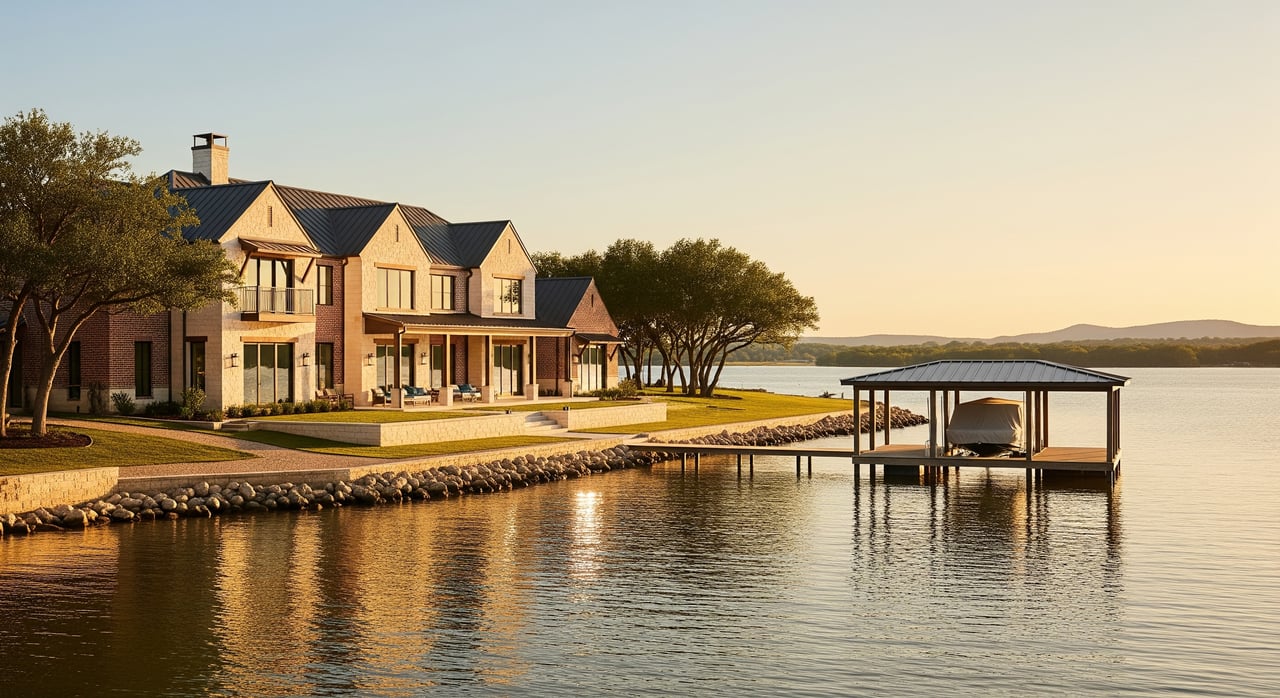
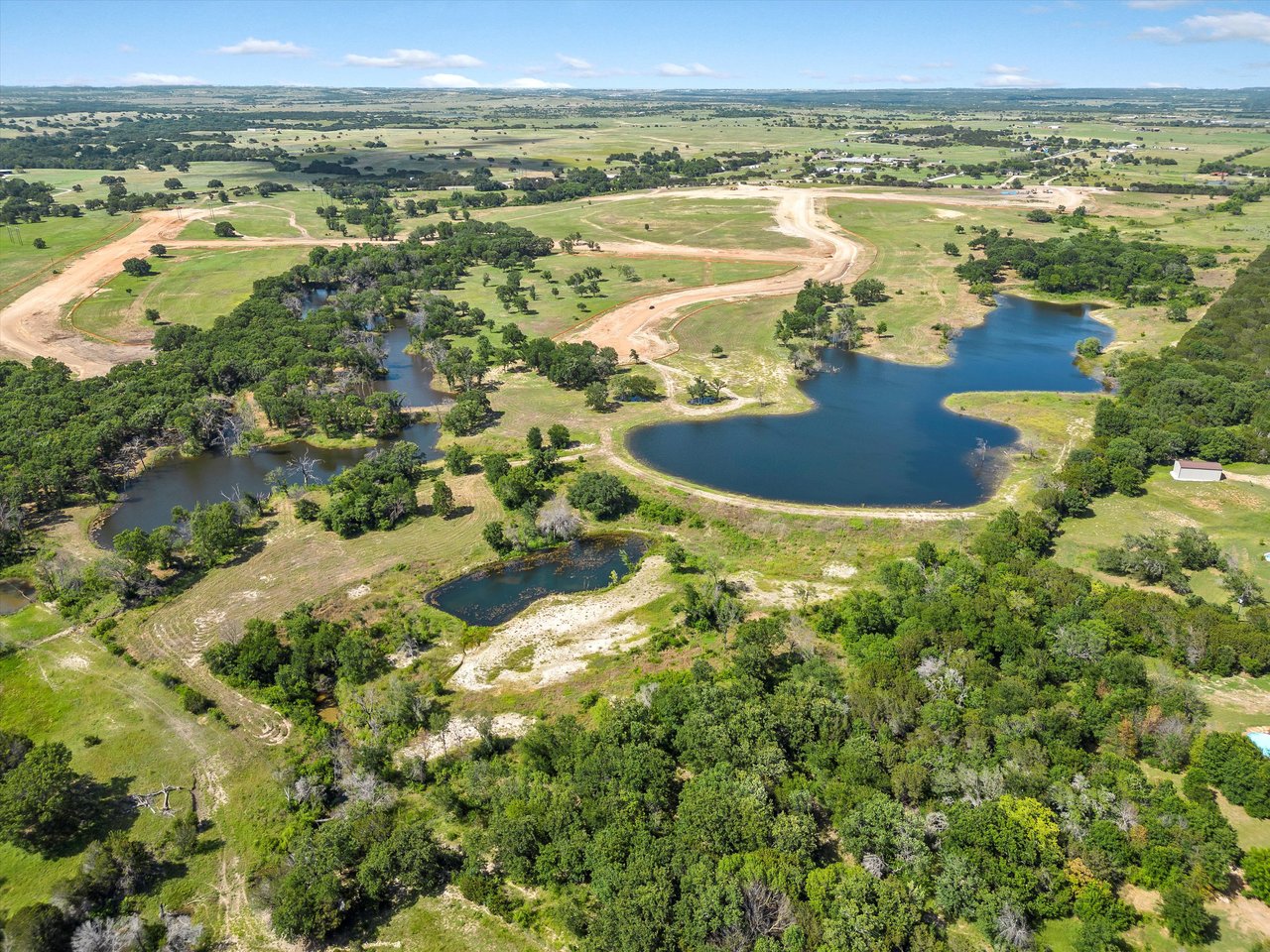
Explore land for sale in Hood County, TX — from 11 to 159 acres in Tolar and Granbury. See ranches, acreage homesites, and my personal journey owning Texas land.
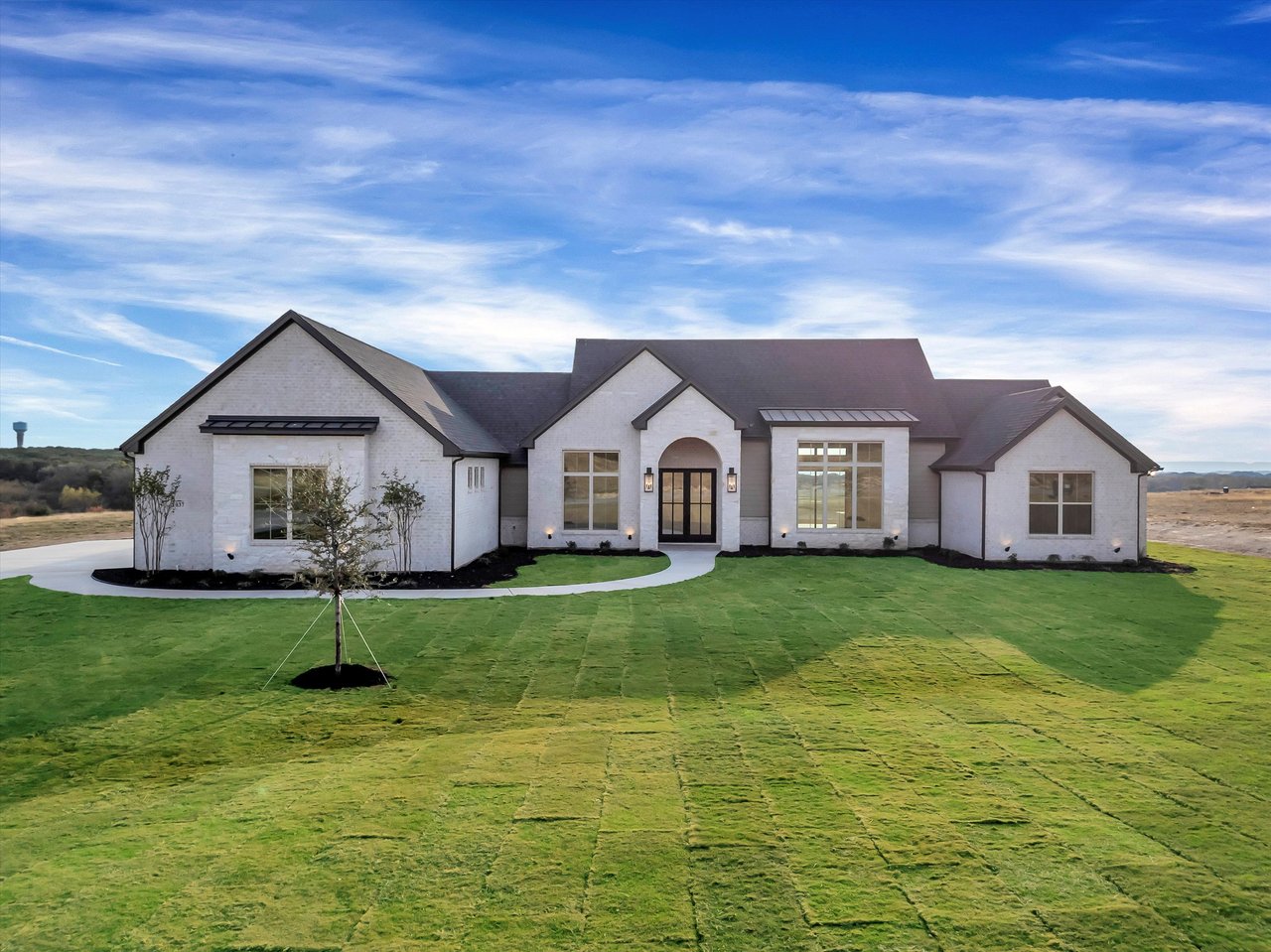
A look into new construction in Granbury
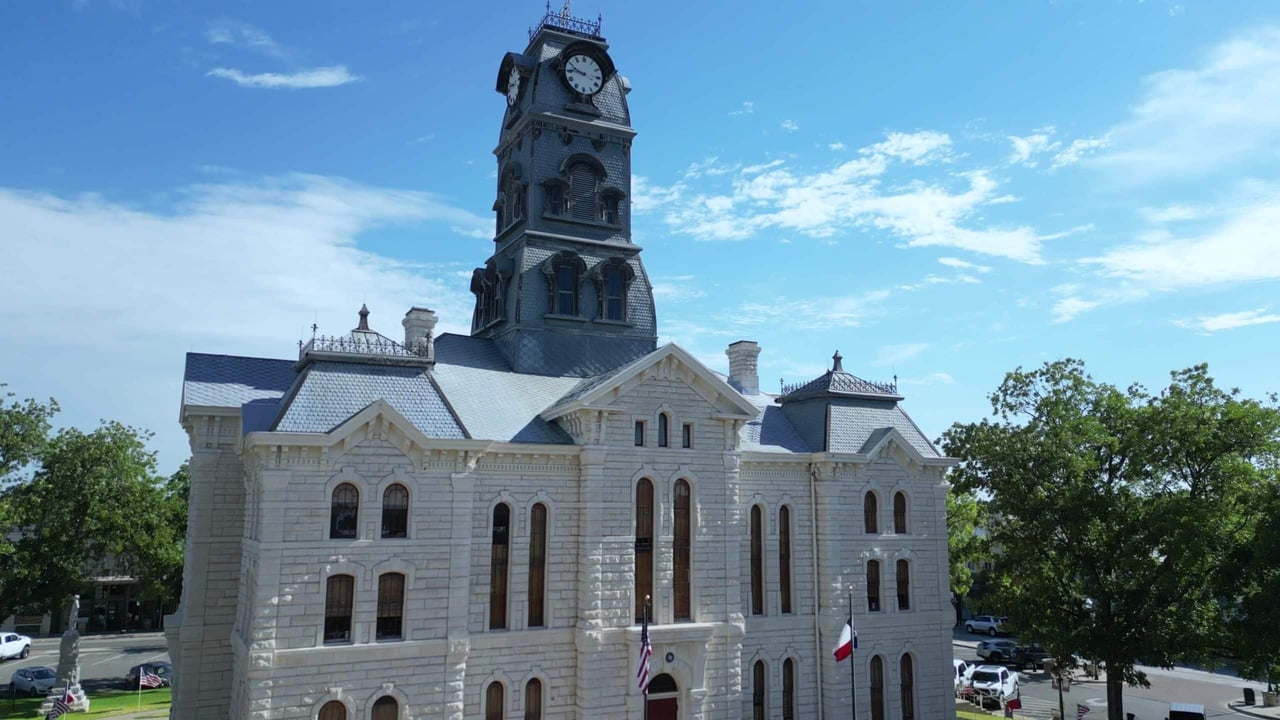
Relocating to a new place can be an exciting yet daunting decision.
Offers an unparalleled blend of history, culture, and modern living.
Get assistance in determining current property value, crafting a competitive offer, writing and negotiating a contract, and much more. Contact me today to start your home searching journey!