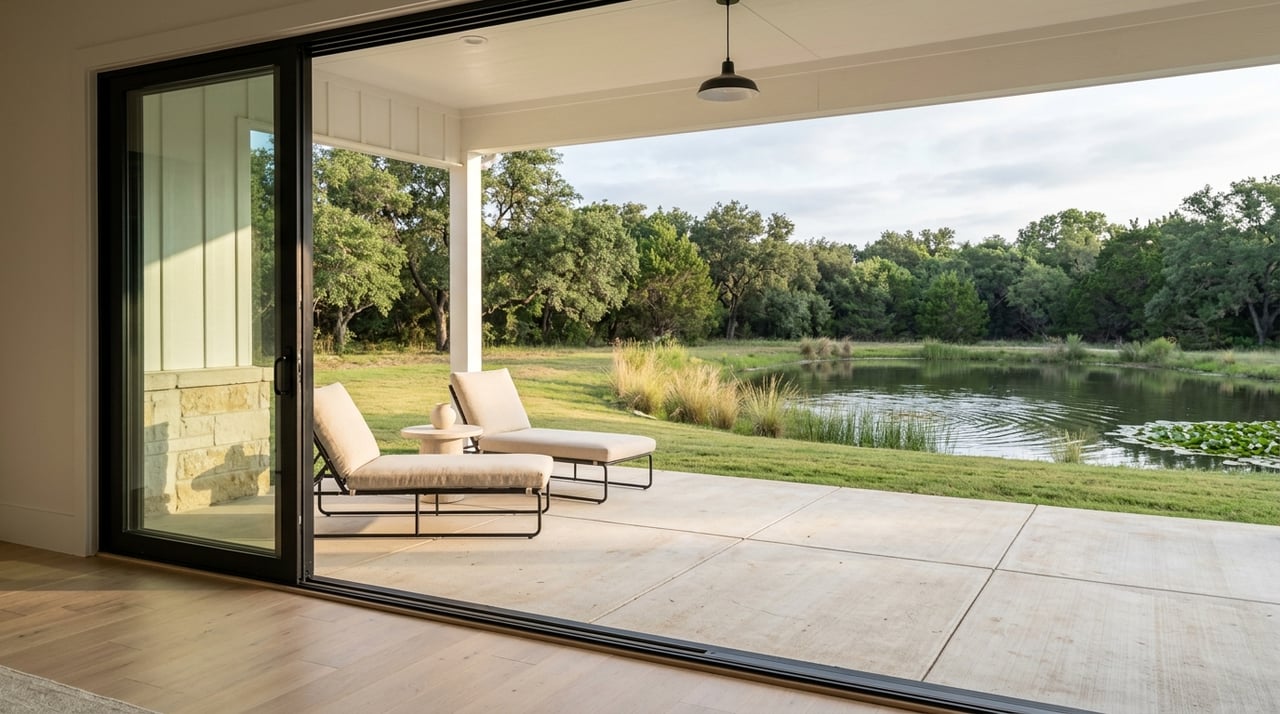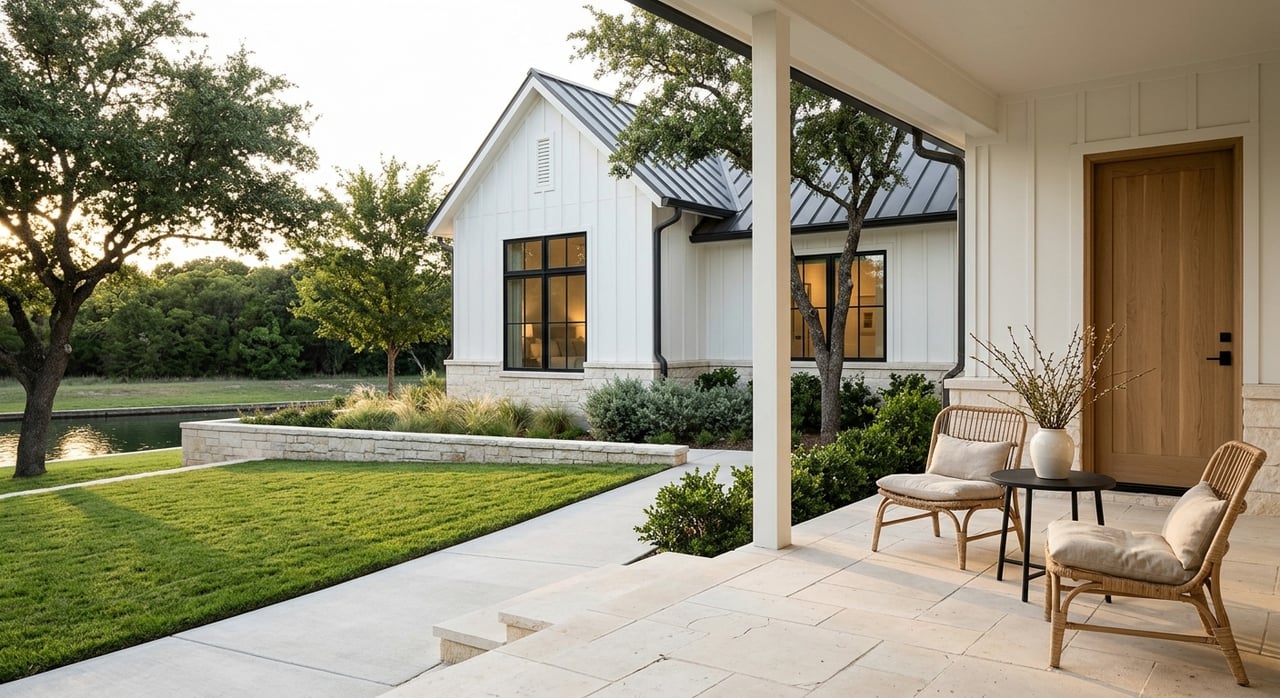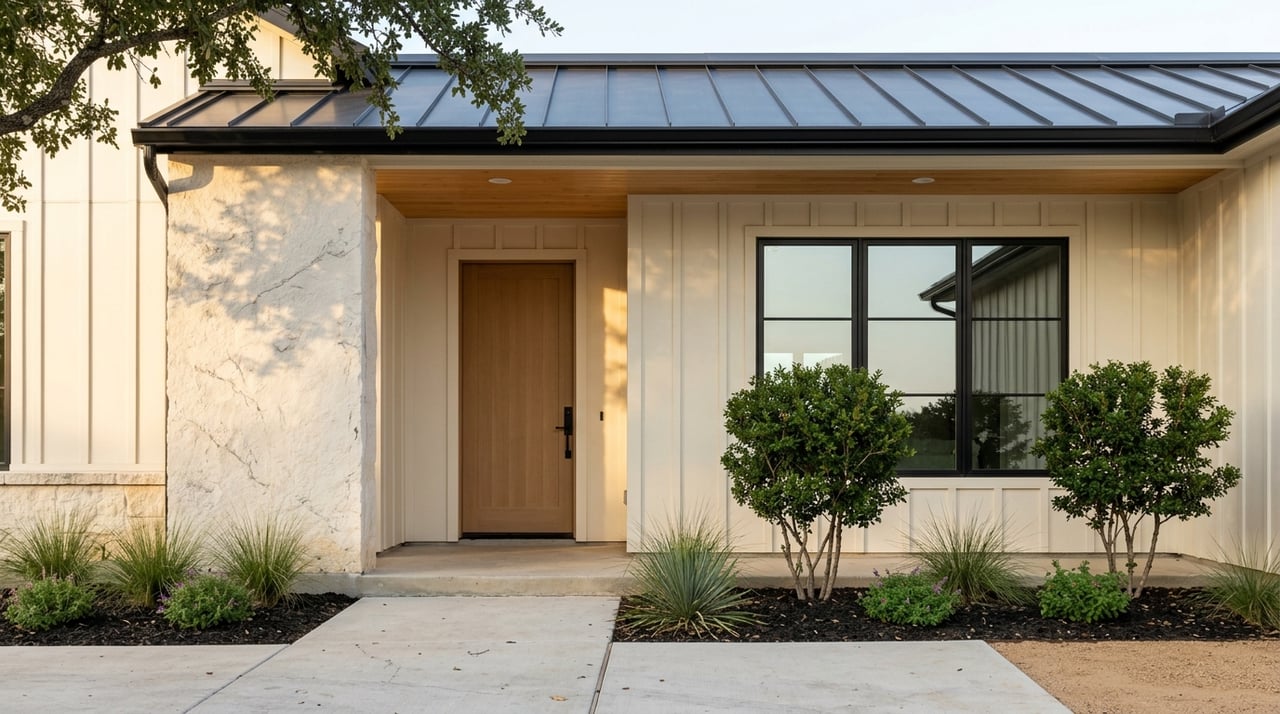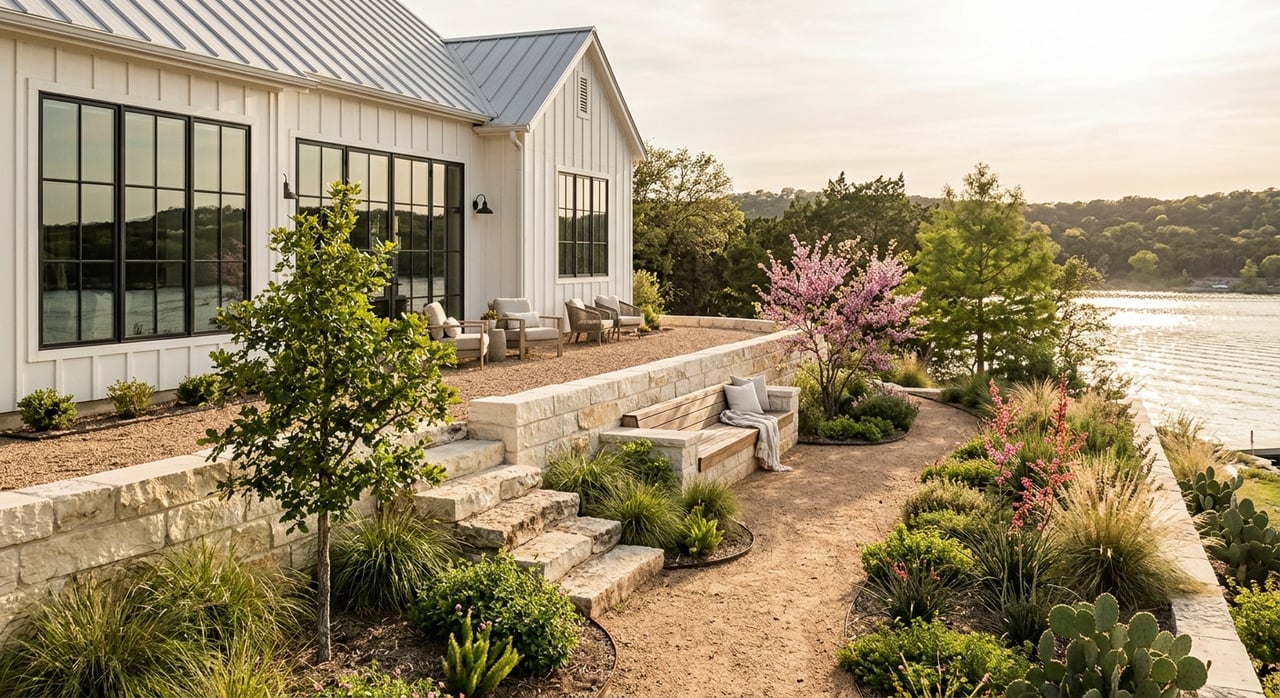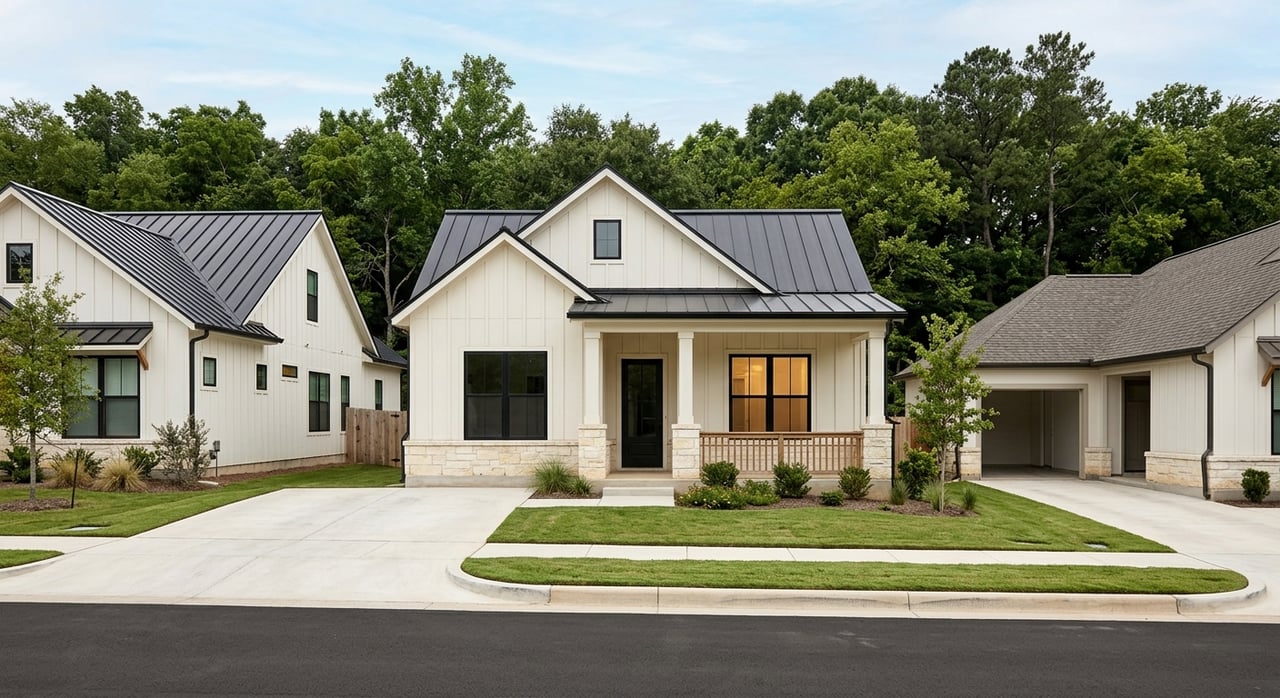
Thinking about buying in Granbury but not sure where to start? You’re not alone. Between lakefront lots, golf communities, acreage, and historic homes, the market can feel complex. In this guide, you’ll learn how Granbury and Hood County behave by property type, where buyers see the most competition, and the due diligence steps that help you move with confidence. Let’s dive in.
Granbury market at a glance
Granbury sees classic Texas seasonality. Listing activity usually picks up in spring and early summer, and lake-centric homes tend to draw more attention from late spring through summer. In a smaller market, a handful of high-value lakefront or acreage listings can swing the averages, so focus on true apples-to-apples comparisons.
Days on market can vary a lot by segment. Move-in-ready homes and desirable lakefront or golf community properties often move faster in peak months. Larger acreage, homes needing significant updates, and niche luxury can take longer.
Price trends can be choppy month to month because there are fewer sales in specific segments. Use multi-month windows and compare like with like, such as waterfront to waterfront or 10-plus acre tracts to similar land. For current metrics, rely on the local MLS for inventory and sales data and confirm tax details through the Hood County Appraisal District.
Lakefront insights
How lakefront works
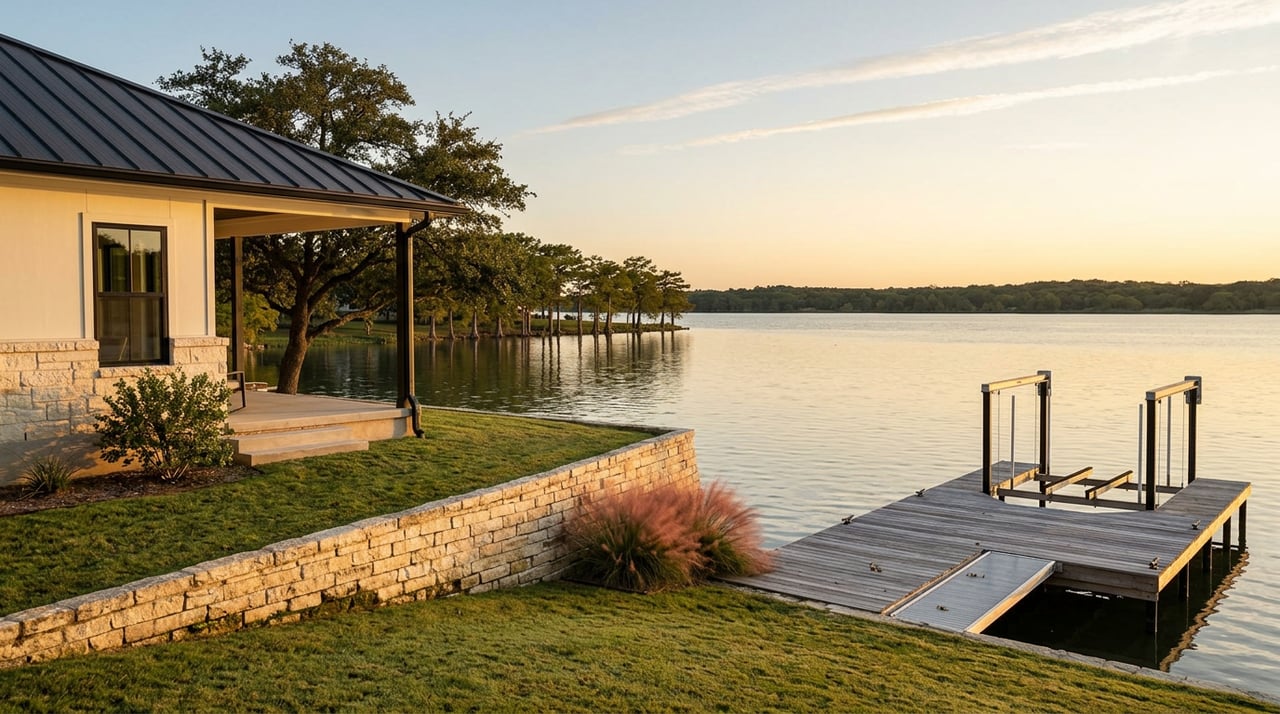
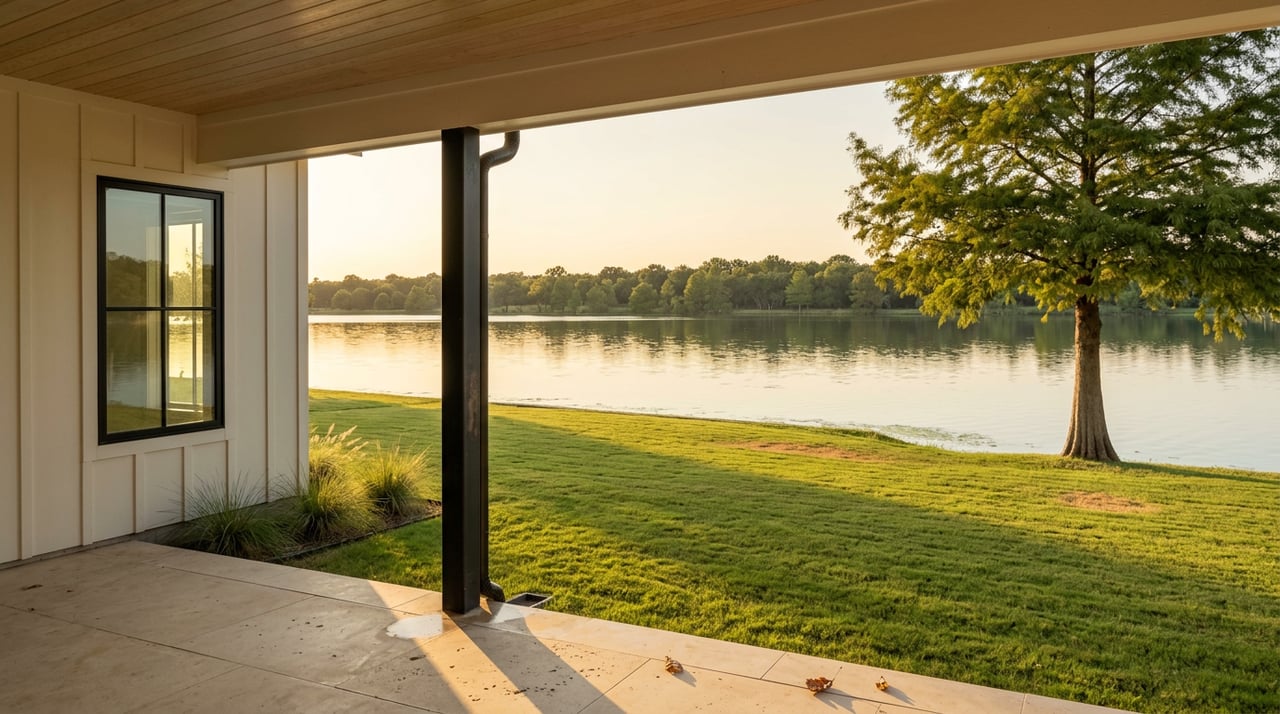
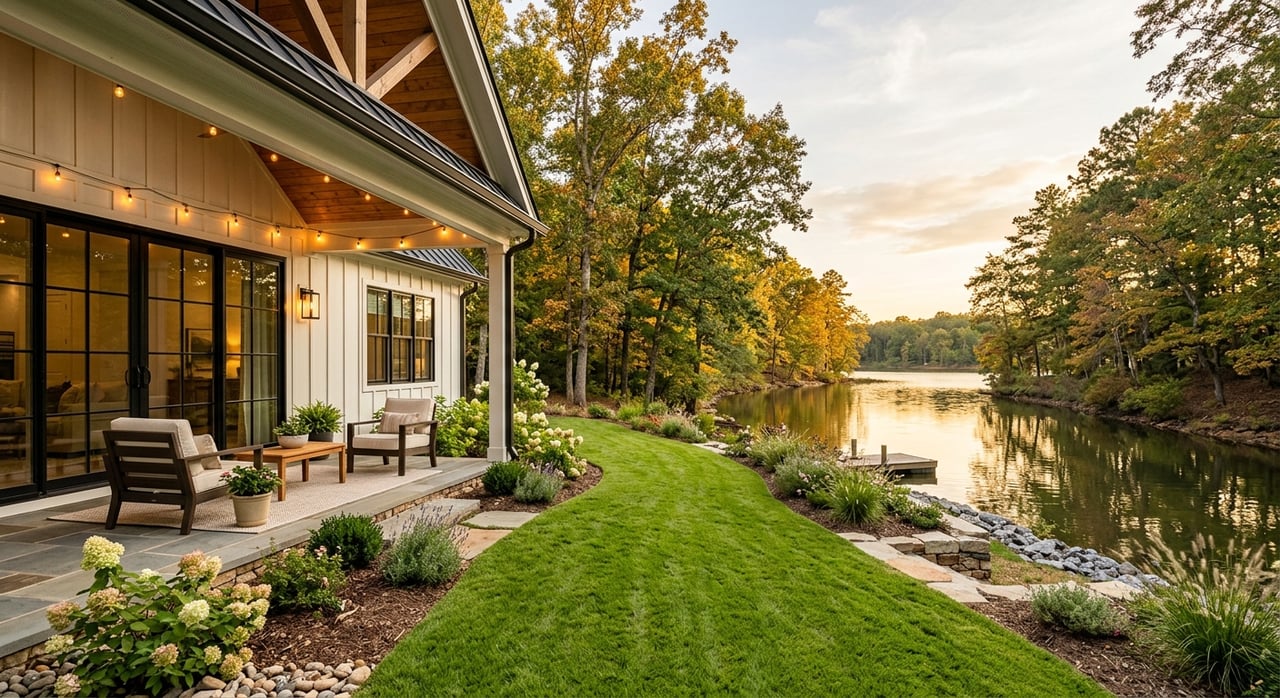
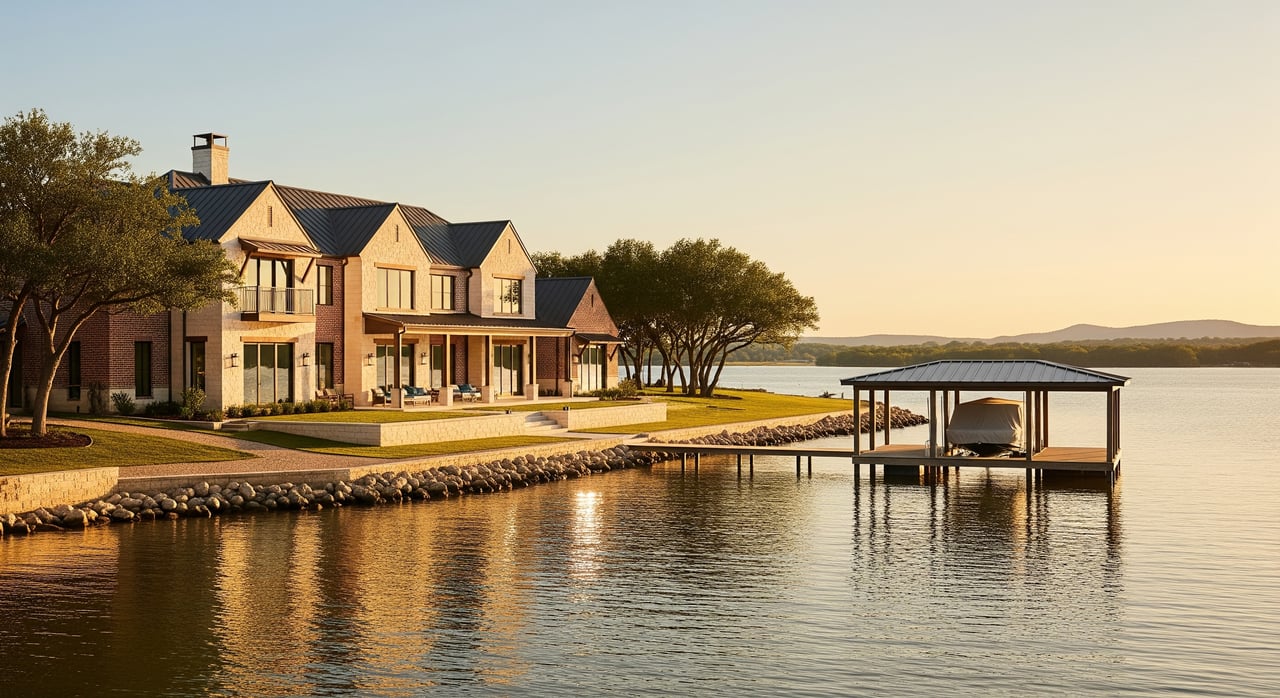
Lake Granbury is a lifestyle driver and a key value factor. Scarcity and seasonal demand can create competition for well-priced, turnkey waterfront homes. Dock rights, shoreline quality, and proximity to open water strongly influence value.
What to check on the water
- Confirm dock permits and rules with the lake’s managing authority, including maintenance responsibilities.
- Review flood maps and talk with insurance carriers early, since some shoreline lots sit in or near flood zones.
- Ask about shoreline erosion history, any bulkhead or retaining wall repairs, and surveys showing waterline boundaries if available.
- Verify utilities, especially septic and well systems for older shoreline properties.
- Plan for specialized inspections that include dock, bulkhead, or shoreline assessments.
Golf-community tips
Gated golf communities, including established neighborhoods like Pecan Plantation, tend to have steady demand from retirees, second-home buyers, and lifestyle seekers. HOA or POA rules add predictability but also fees and guidelines you need to understand.
- Review budgets, transfer fees, amenities, and CC&Rs before you write an offer.
- Confirm any rental restrictions, exterior guidelines, pet policies, and vehicle or parking rules.
- If a home backs to the course, ask about buffer zones, ball-strike risks, and any planned course or neighborhood development.
Acreage and ranch buys
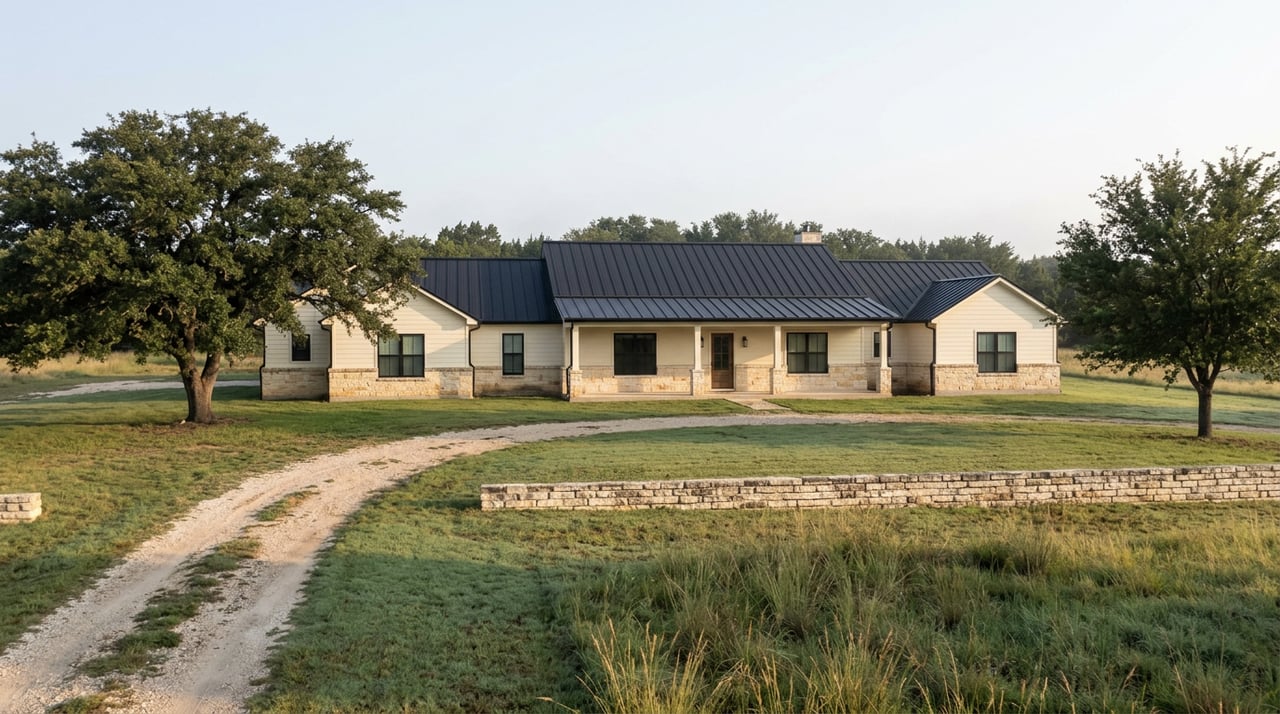
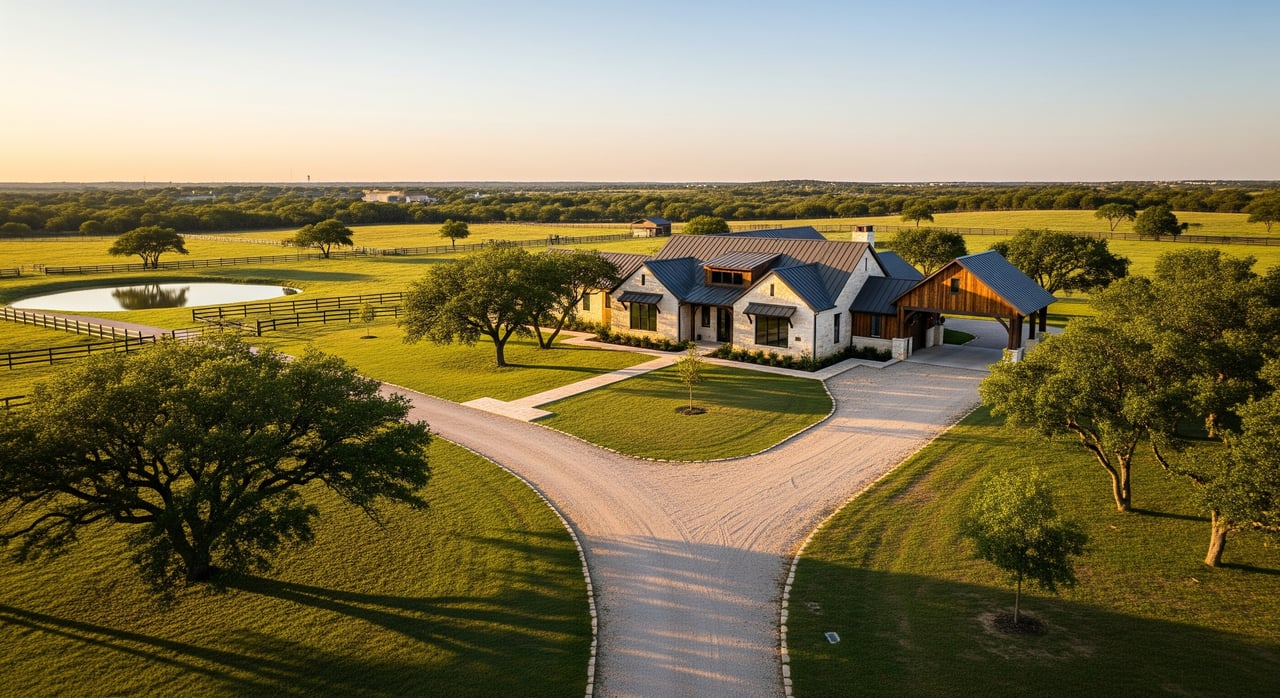
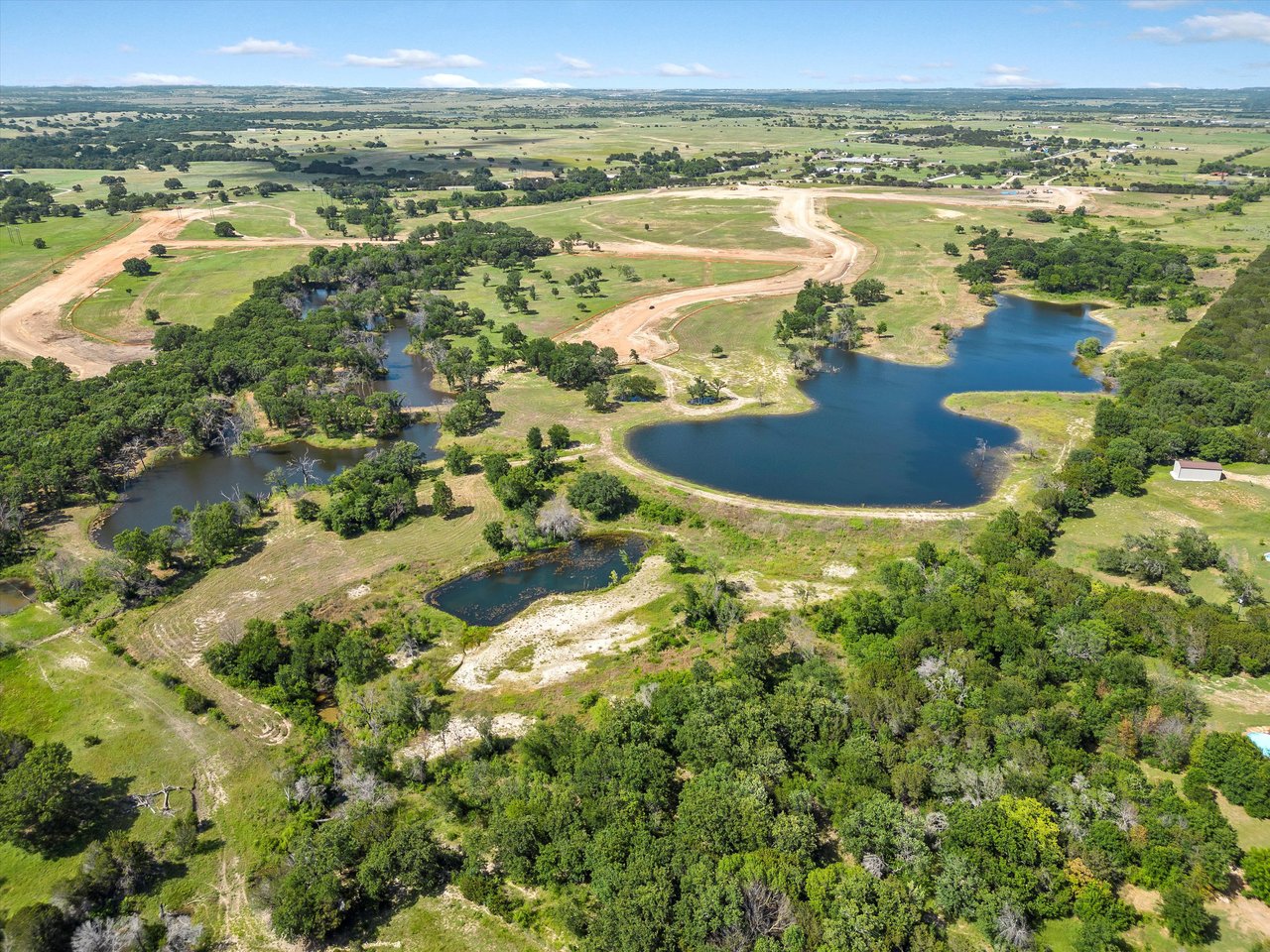
Acreage and ranchettes often trade more slowly and require deeper due diligence. Value is tied to land quality, access, and utilities. Lenders may treat rural or nonstandard properties differently, so plan ahead.
- Confirm public water or the condition and flow of any private well.
- Review septic permits and capacity, and ask for inspection and pumping records.
- Verify deeded access, private road maintenance, and any easements that cross the property.
- Order an up-to-date survey. Boundary clarity is essential on larger tracts.
- Discuss mineral rights status with your agent and title company if relevant.
Historic and infill homes
Homes near the historic downtown appeal to buyers who want walkable charm and character. Many are older, so you should plan for system updates and careful inspections.
- Ask about foundation work, plumbing and electrical upgrades, and roof age.
- Check whether any historic district rules affect exterior changes.
- Review parking options and confirm flood considerations in low-lying areas.
New construction notes
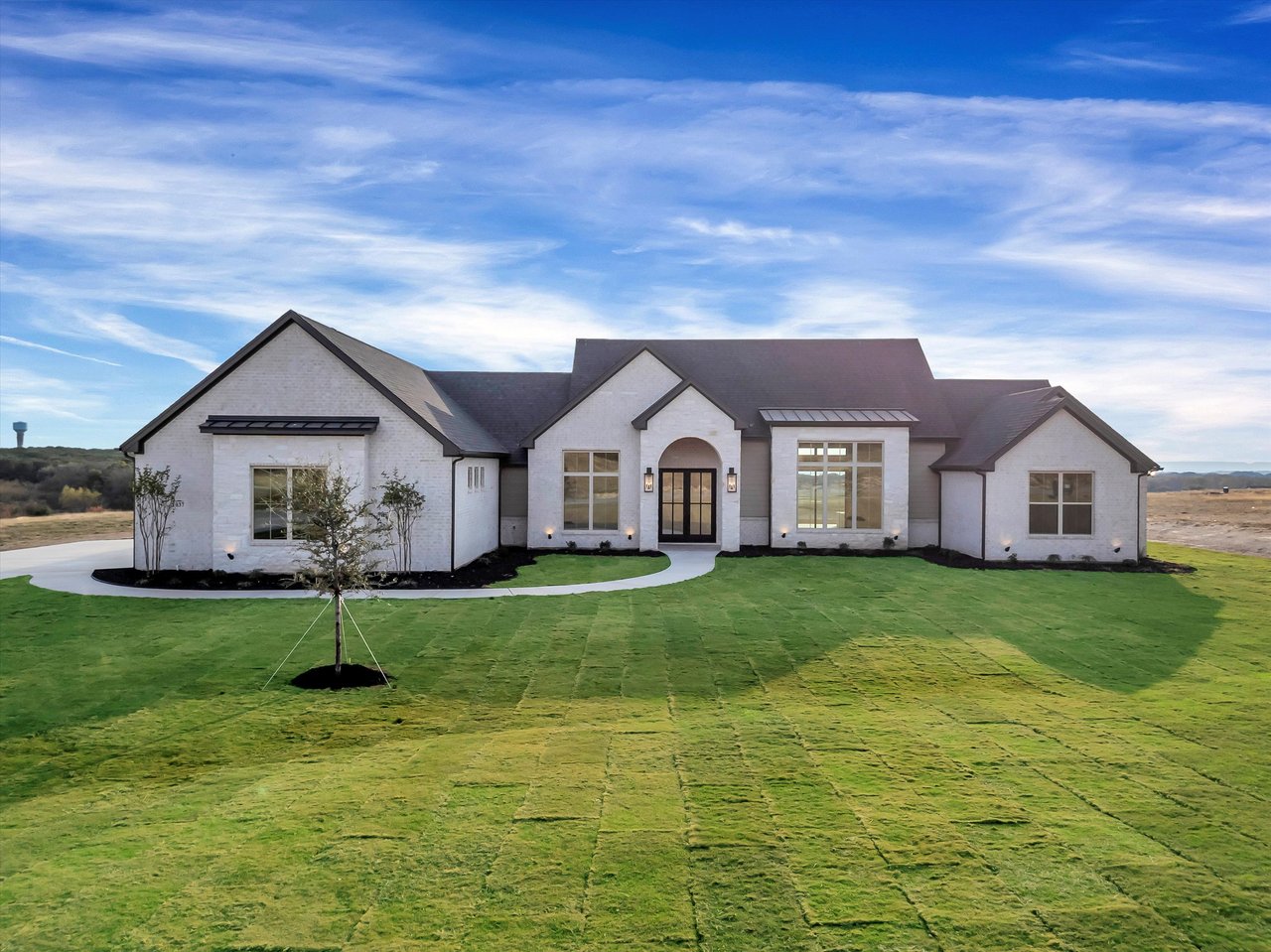
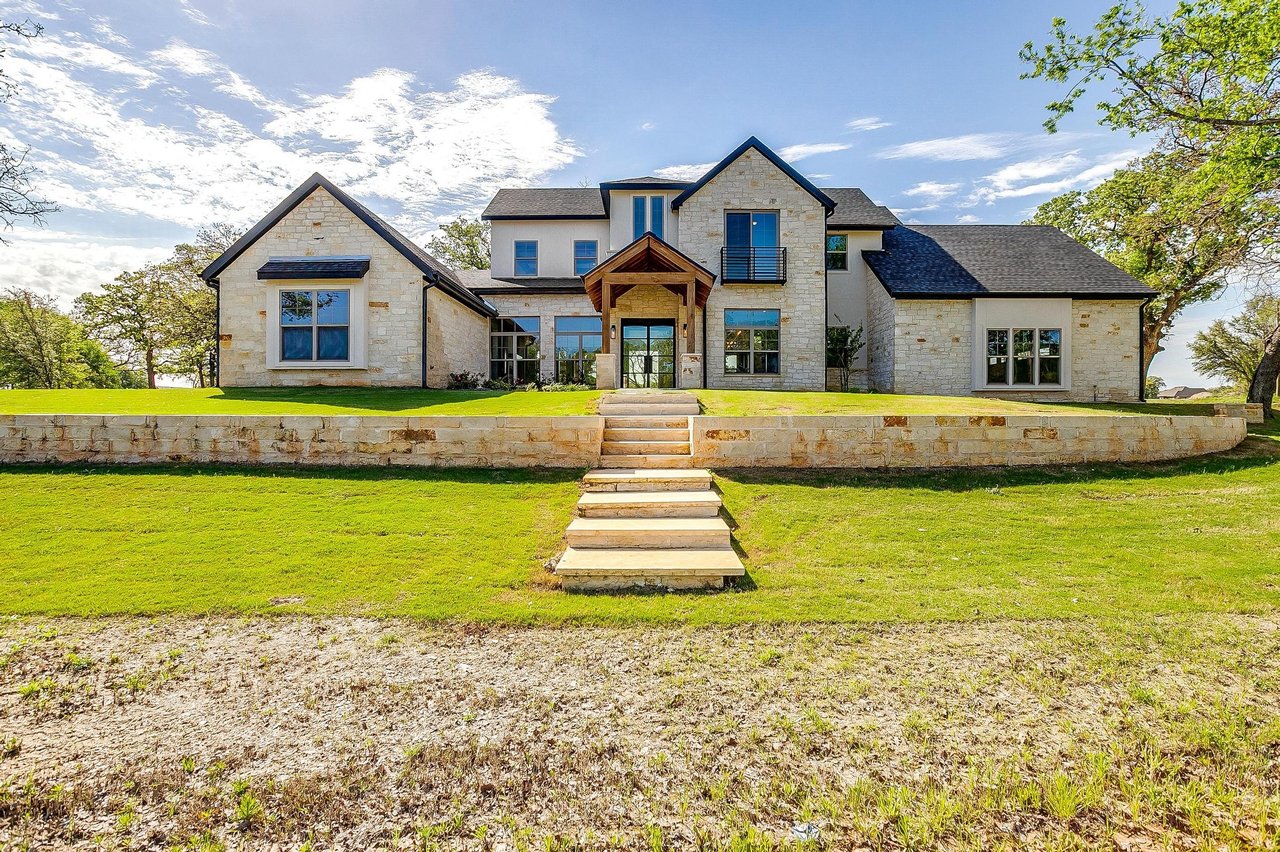
New builds appear in cycles around growth corridors in Hood County. Builders may offer incentives during slower periods, but final pricing often sits above the base plan once you add upgrades and lot premiums.
- Compare completed homes in the community, not just base prices on paper.
- Ask about build timelines, warranty coverage, and what is included versus an upgrade.
- Confirm grading, drainage, and any impact fees that may affect your total budget.
Due diligence checklist
A strong due diligence plan helps you move quickly and avoid surprises once you are under contract. Here is a practical checklist tailored to Granbury and Hood County.
- Title and ownership: Confirm clear title, recorded easements or rights-of-way, and any outstanding POA assessments.
- Taxes and appraisal: Review recent tax bills, confirm appraisal values with the Hood County Appraisal District, and ask about homestead exemption timing.
- Surveys: Obtain or update a certified survey, especially for lakefront and acreage.
- Flood and shoreline: Review FEMA maps and ask about water-level management for Lake Granbury properties.
- Septic, wells, and utilities: Order inspections and water quality tests. Confirm who maintains any private roads.
- Insurance: Get quotes early for homeowners, flood, and wind or hail if needed.
- HOA/POA: Request CC&Rs, budgets, transfer fees, and meeting minutes. Scan for special assessments or disputes.
- Environmental and land use: Confirm county development rules, any environmental limits, and whether existing exemptions affect future plans.
- Lender and financing: Use a lender experienced in rural, acreage, or waterfront appraisals. Ask about additional inspection requirements.
- Specialized inspections: Add septic, well, dock, bulkhead, foundation, and pest inspections as needed.
Touring and offer strategy
Before you tour
- Get pre-approved, not just pre-qualified. Sellers in hot segments often want proof in hand.
- Share your must-haves versus nice-to-haves with your agent. Include water access, lot size, single-level living, HOA comfort, and commute preferences.
- Ask for comps tailored to your segment, such as waterfront to waterfront or acreage to acreage, and review median days on market for the last 90 days.
During tours
- Allocate extra time for lake, golf, and acreage properties. Walk access points, docks, fencing lines, and road approaches.
- Look closely at drainage patterns, roof condition, HVAC age, and deferred maintenance you may address in negotiations.
- Take photos and notes to compare homes logically and support a strong offer strategy.
Negotiation by segment
- Lakefront and golf: Expect sharper competition in peak months. Use a clean contract, solid earnest money, and a quick inspection timeline to stand out.
- Acreage and rural: There is often more room to negotiate price and terms. Longer inspection windows are common and a survey contingency is smart.
- Older and downtown: Consider repair credits or allowances for big-ticket items like foundation or electrical updates.
Timing and contingencies
- Tailor contingencies to the property, such as septic or well inspections for rural homes and dock inspections for lakefront.
- For new construction, build in protections for permit and certificate of occupancy timing and ask how delays are handled.
- Get title commitment early and schedule specialists quickly to stay on track.
How to read comps in a small market
In a smaller county, a few unique sales can skew the numbers. That is why segment-specific comps matter. For example, a cove-front lot with a shared dock will not price the same as a main-body lot with a private, permitted dock.
Use a rolling, multi-month view and match properties by age, lot type, water access, and condition. If sample sizes are thin, expand the time window slightly or analyze price per key feature, such as frontage quality or acreage usability, rather than relying on a single median figure.
Why work with VYBE in Granbury
You deserve clear guidance and confident representation, especially in specialized segments like lakefront, golf, and acreage. With founder-led local expertise and a marketing-first approach, VYBE with Eric helps you identify the right properties faster and positions your offer to win.
- Local nuance: We understand dock permits, shoreline factors, POA rules, and rural access details that affect value and timing.
- Smart strategy: You get segment-specific comps, clean contract terms, and contingency plans tailored to your property type.
- Seamless experience: From remote previews to coordinated specialist inspections, we keep your process focused and efficient.
Ready to explore Granbury with a clear plan? Connect with Eric Wilkins to schedule a consultation and start your search with confidence.
FAQs
Is Granbury good for a weekend lake home?
- Yes. Lake Granbury is a popular draw, but plan for seasonal demand and added checks like dock rights, flood insurance, and shoreline condition.
How different are lakefront and non-lake prices?
- Waterfront premiums exist and can be substantial depending on dock quality, lot size, and water access. Compare recent closed comps for the best read.
Do acreage buyers pay more in property taxes?
- Total tax bills depend on appraised value and exemptions. Larger tracts can qualify for certain exemptions in some cases. Verify with local tax records.
Are there many new builds in Hood County?
- New-construction activity appears in cycles. Builders and spec homes show up in growth corridors, often with modern amenities and HOA structures.
What should I know about commute and services?
- Granbury blends small-town amenities with rural surroundings. Some areas offer practical commutes to DFW, while rural properties may lack municipal utilities.