Rolling Creek Ranch Skips City Hall. Here's Who Signs Off Instead.
September 17, 2026
September 17, 2026
Ask anyone shopping gated communities south of Lake Granbury what they know about Rolling Creek Ranch, and you'll usually get the same three facts: it's gated, it's got acreage lots running past an acre apiece, and the yearly dues run around $600, cheap next to golf-and-marina communities charging four figures. That last number gets repeated as a selling point, proof that Rolling Creek Ranch is the lighter-touch option among Granbury's gated acreage neighborhoods.
The dues figure is real. But it's the wrong number to anchor on. Rolling Creek Ranch sits outside Granbury's city limits, in unincorporated Hood County, which means the property never pulls a city building permit. Buyers hear that and assume less paperwork. What actually happens is the paperwork gets redistributed to four separate desks instead of one, and none of them talk to each other automatically.
Hood County's own guidance for anyone building on unincorporated land is direct: you will not need a county building permit. That's the headline most people stop at. The rest of the answer is what still has to happen before a slab gets poured.
You still need a septic permit, formally an On-Site Sewage Facility permit, from the Hood County Environmental Health Department, since most lots in Rolling Creek Ranch run on individual septic rather than a municipal sewer line. You still need a road access permit from Hood County Road Operations before you can cut a driveway onto the county-maintained roads that feed the subdivision. And if any part of your water plan involves a private well rather than the district hookup, you need a separate permit from the Upper Trinity Water Conservation District.
Layer the HOA on top of that. Rolling Creek Ranch's governing documents require written approval from the Architectural Control Committee before an owner does anything, and the HOA's own language is not narrow. It covers any modification, change, repair, replacement, removal, or addition to the exterior of a home, which in practice means your ACC submission and your county septic layout need to agree with each other before either one gets approved, because changing one after the fact can mean resubmitting both.
None of this is unusual for unincorporated Texas subdivisions. What's easy to miss is that inside Granbury's city limits, a single building permit application typically routes a project through most of these same checks under one roof. Outside the line, the checks still happen. They just happen at four separate counters, on four separate timelines, and the county explicitly does not coordinate them for you.
Buyers who get this sequence wrong lose weeks, not because any single office is slow, but because approvals depend on each other in ways that aren't obvious until you've done it once. A workable order looks like this:
Skip step one and build your septic layout first, and you risk an ACC rejection that sends you back to redesign a system the county already approved. That's the friction that doesn't show up on a listing sheet.
The dues themselves aren't nothing. Rolling Creek Ranch's HOA maintains a community park spanning roughly 17 acres, with two stocked fishing ponds, nature trails across the rolling terrain, a sports field, a basketball court, and a pavilion available for reservation. New construction on the newest lots typically carries a minimum size requirement around 1,800 square feet, which keeps the built environment consistent even though home styles vary from original builds to newer custom construction.
Compare that to what a city park system typically funds through property tax rather than a flat HOA line item. Inside Granbury's city limits, park maintenance rides inside the municipal tax rate every resident already pays, whether or not they use the trail system. In Rolling Creek Ranch, that maintenance is unbundled into a due that only the roughly few hundred households in the subdivision are paying, which is part of why the number can stay lower than dues in golf-and-marina communities where clubhouse and course maintenance get folded in.
The ACC requirement isn't a one-time hurdle you clear at move-in. It's permanent. Any fence repair, repaint, or addition after you've lived there five years still requires the same written approval process that applied to the original build. The community's own governing documents use language as specific as requiring owners to keep fences in good repair, and that kind of standard gets enforced the same way whether you're the original buyer or the fifth owner down the line.
For a buyer used to incorporated suburbs, where exterior changes might only trigger a permit if they alter the structure's footprint, this is a real behavioral shift. Painting your own trim in Rolling Creek Ranch means a written request first, not a trip to the hardware store.
Here's the piece that tends to get buried under the permitting friction: Hood County, as of July 2026, carries one of the lowest combined property tax rates among DFW-area counties, in part because a representative Granbury property sits on what analysts describe as a clean three-way stack of school, city, and county levies with no countywide hospital district or community college district riding on top.
Rolling Creek Ranch, sitting outside city limits, skips even that representative city layer entirely. The property owner pays county and school district taxes but no municipal rate, since there's no municipality to collect one. That's the flip side of the permitting patchwork: the same unincorporated status that spreads your approvals across four offices also means one full layer of the tax stack simply doesn't apply to you. Buyers comparing Rolling Creek Ranch dues to a city subdivision's dues are often comparing the wrong two numbers. The dues comparison misses that one side is also paying a municipal tax rate the other side never sees.
None of this is a reason to avoid Rolling Creek Ranch. It's a reason to build your due diligence checklist around the actual mechanism rather than the sticker. Before a builder breaks ground or before you close on a lot with plans to build, get written confirmation from the HOA's Architectural Control Committee on your exterior plan, get a soil evaluation scheduled early enough to hit Hood County Environmental Health's OSSF timeline, and confirm in writing whether your lot is inside Acton MUD's service footprint or will require a private well permit from Upper Trinity. Sellers with recently completed builds can usually hand over documentation from all three approvals, which shortens that same process for the next buyer.
Does Rolling Creek Ranch have city water, or is it well water? Most of the community is served by Acton Municipal Utility District, a TCEQ-regulated water and wastewater provider that also serves parts of the wider Acton area. Some lots may still involve a private well, which requires a separate permit through Upper Trinity Water Conservation District.
If I already got my septic system approved, can the HOA still reject my building plan? Yes. The county's OSSF approval and the HOA's Architectural Control Committee approval are independent processes. Getting one does not guarantee the other, which is why the sequencing matters more than either approval on its own.
Is a lower HOA due always a sign of fewer restrictions? Not necessarily. Rolling Creek Ranch's ACC language covers any exterior modification, which is a broader restriction than some communities charging higher dues. The due amount reflects what the HOA funds directly, not how tightly it regulates changes to your home.
If you're comparing Rolling Creek Ranch against another gated acreage community near Granbury and want the permitting sequence mapped out for a specific lot before you write an offer, that's exactly the kind of groundwork VYBE with Eric does before a client ever waives an option period. Schedule a consultation and we'll walk the actual approval order with you, not just the dues sheet.

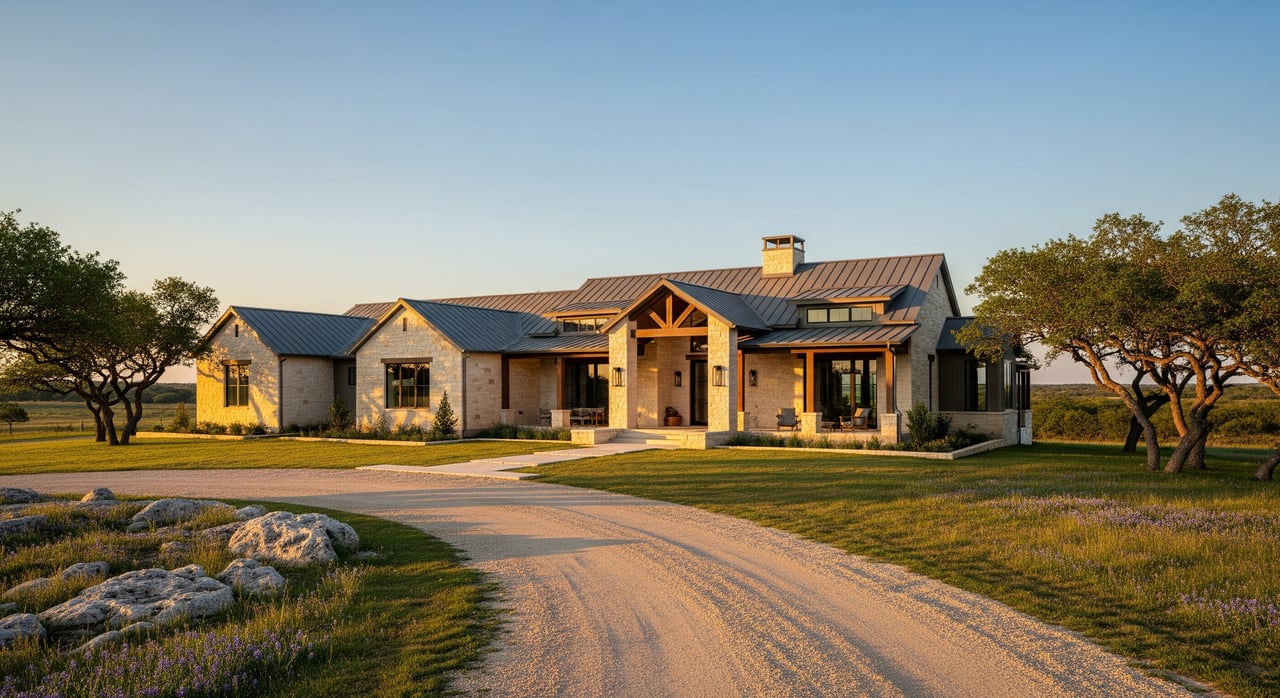
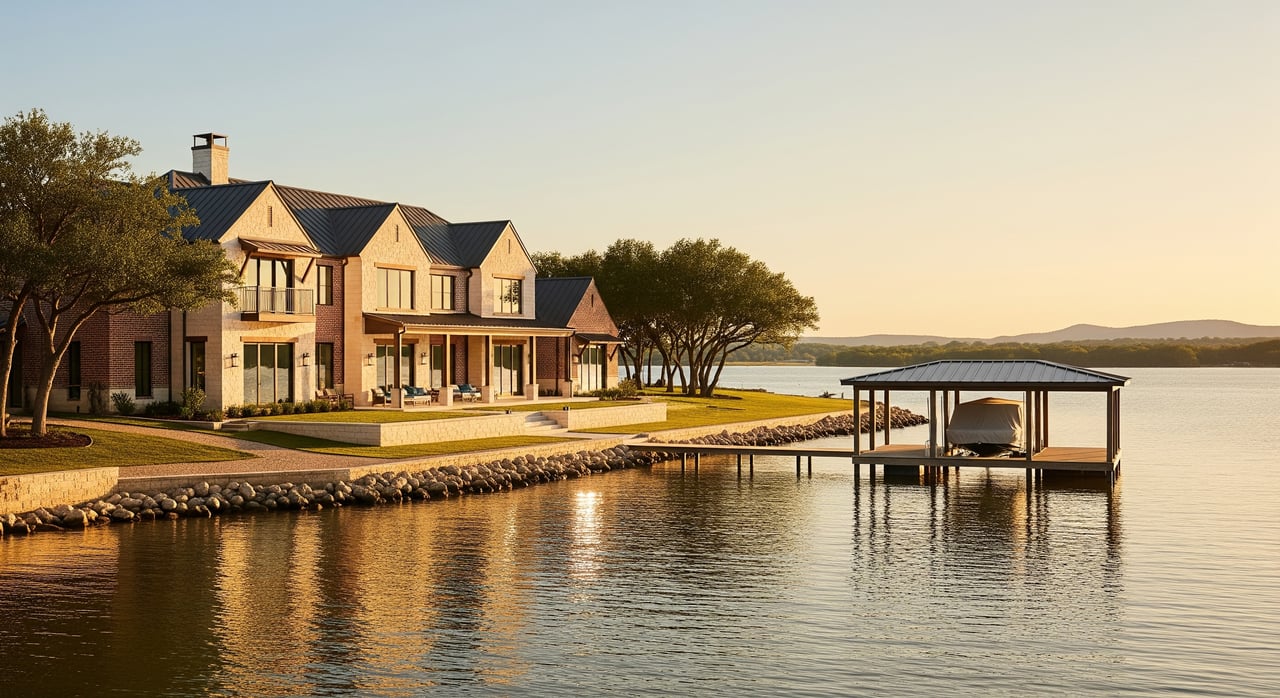
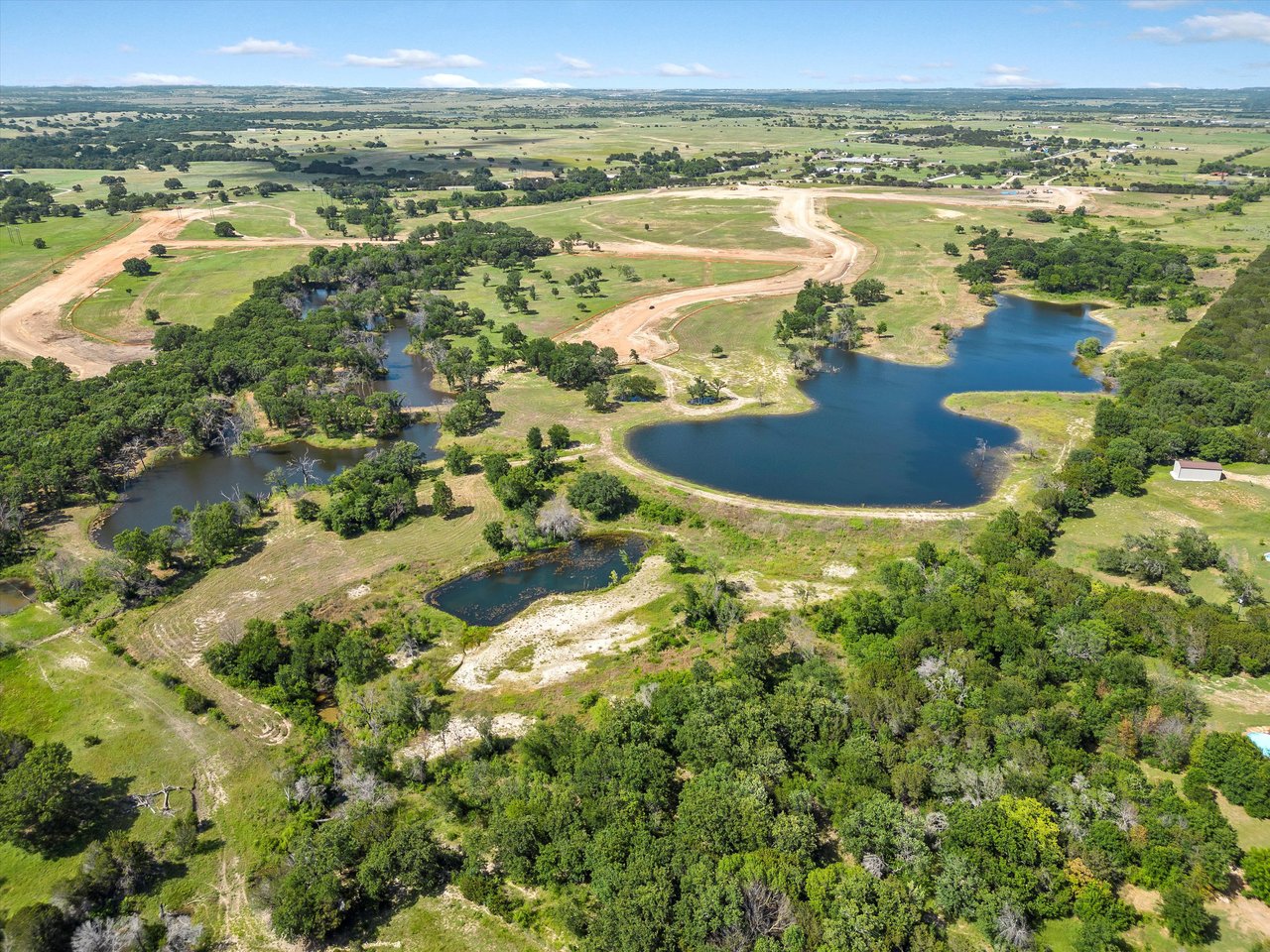
Explore land for sale in Hood County, TX — from 11 to 159 acres in Tolar and Granbury. See ranches, acreage homesites, and my personal journey owning Texas land.
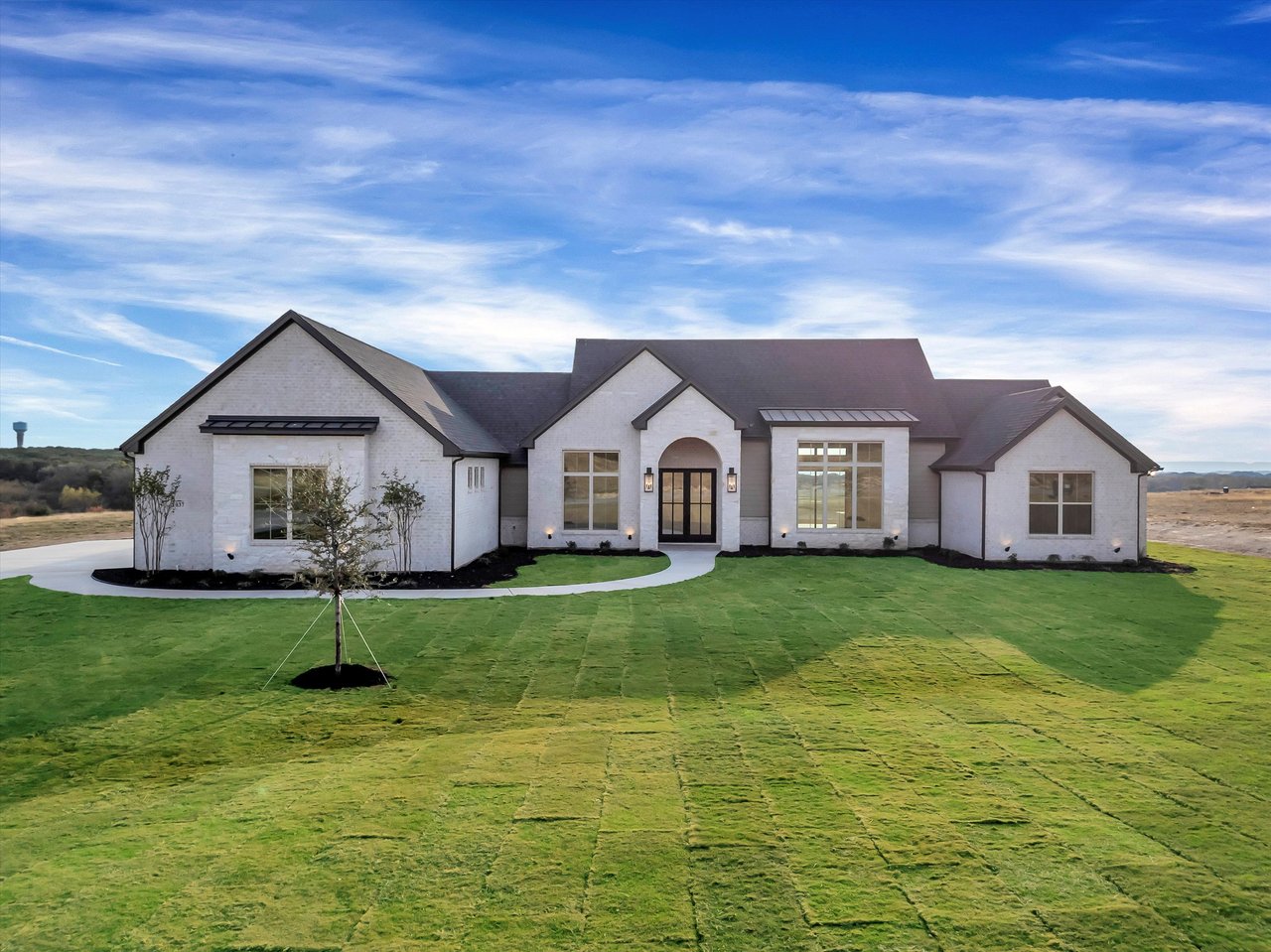
A look into new construction in Granbury

Relocating to a new place can be an exciting yet daunting decision.
Offers an unparalleled blend of history, culture, and modern living.
Get assistance in determining current property value, crafting a competitive offer, writing and negotiating a contract, and much more. Contact me today to start your home searching journey!