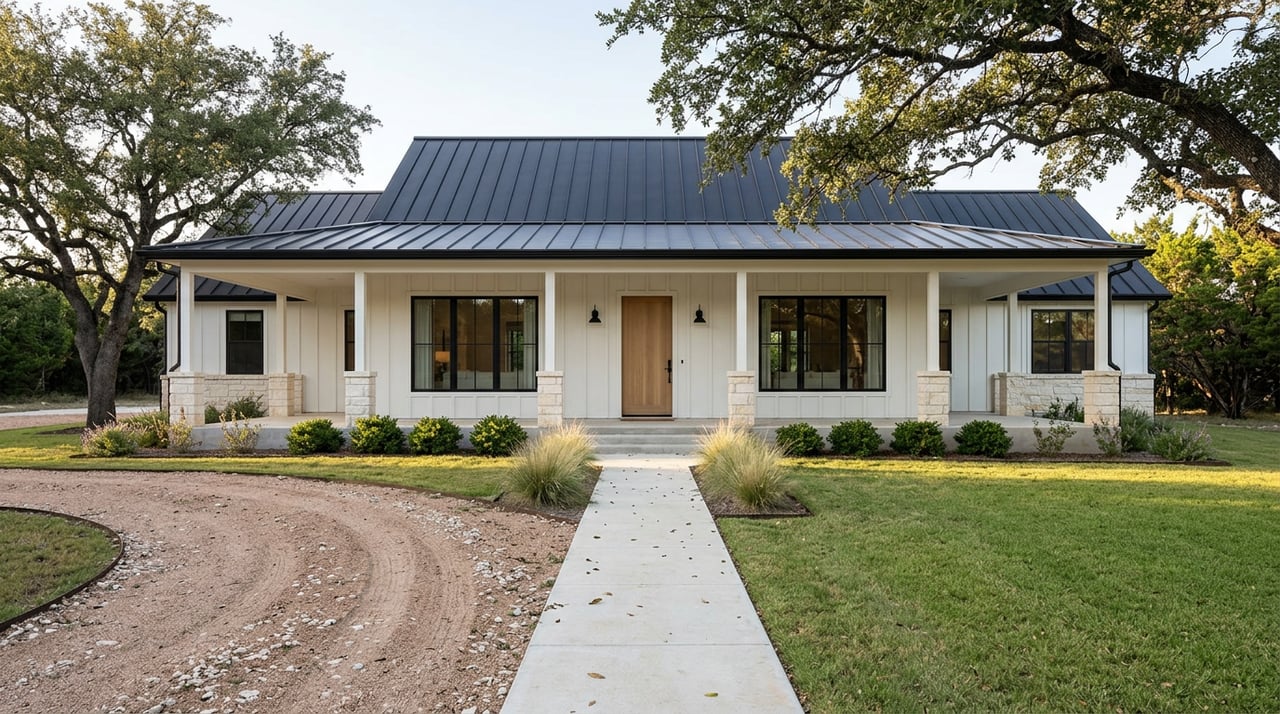
What To Know Before Buying Acreage In Stewart Ranch
March 5, 2026
March 5, 2026
Looking for more room to breathe without giving up convenience to Granbury and Acton? Stewart Ranch offers gated, multi‑acre living where privacy and modern infrastructure can come together. Before you write an offer, you’ll want a clear plan for utilities, septic or sewer, HOA rules, and long‑term taxes so your build and lifestyle go smoothly. This guide walks you through what to verify and which documents to secure so you can buy with confidence. Let’s dive in.
Listings promote Stewart Ranch as a gated subdivision with multi‑acre parcels, concrete interior roads, underground electric, and fiber availability. Lot sizes are commonly advertised from roughly 1 acre to over 11 acres. Treat those as helpful signals, then confirm every claim in the recorded plat and the HOA’s covenants, conditions and restrictions (CC&Rs).
Parcels are in Hood County and are often associated with Granbury ISD and Acton‑area schools in listing notes. Always verify the specific parcel’s taxing entities and school assignment through the Hood County Appraisal District directory and contacts listed by the Texas Comptroller. You can find the county directory and HCAD information through the Comptroller’s site for Hood County.
Infrastructure varies by lot, and assumptions can be expensive. Before you waive any option period, pin down water, wastewater, power, and internet in writing. Utility letters and service commitments are your best friends during due diligence.
The Acton Municipal Utility District (AMUD) provides public water across much of Acton and nearby areas and maintains certified service maps. Ask AMUD if your specific Stewart Ranch lot is within its water service territory and whether a meter is available or would need extension and fees. Request the service map and a written service commitment before you close. Start with the AMUD about page for contacts and background at AMUD’s site.
If the lot is not within a municipal or MUD service area, you will likely rely on a private well. Confirm whether a listing’s “water available” means a planned extension or an on‑site well. Get that in writing from the seller or the water provider.
If public sewer is not available, you will use an on‑site sewage facility, often called a septic system. In Texas, these systems are regulated by TCEQ and usually require a permit, site evaluation, and an approved plan. Limited exemptions exist, such as the narrow “10‑acre rule,” but they are technical and not automatic. Require a recent septic inspection, the OSSF permit or a written statement that the lot is served by public sewer, and documentation of capacity for your intended home size. Review permit guidance directly from TCEQ’s OSSF page.
Listings often note underground electric in Stewart Ranch. Confirm the distribution provider and whether transformers, service drops, or pad sites are located within easements that limit where you can place a driveway, barn, or home. If you plan solar, request the interconnection rules from the serving utility. For an overview of certificated distribution providers, check the PUC’s CCN directories.
Broadband in 76049 is a mix of cable, fiber, fixed wireless, and satellite. Listings that mention “fiber” can refer to a planned buildout or an existing provider with limited active addresses. Always run an address‑specific check and ask the provider for installation costs and construction timelines. Use a consumer coverage summary to compare options for 76049 at InMyArea’s provider lookup.
Stewart Ranch marketing highlights wide concrete interior roads. Confirm two things before you build: whether those streets are public or privately owned and maintained by the HOA, and who is responsible for gate operation and repairs. If you plan a new driveway connection to a Farm‑to‑Market road or a state highway, you may need a TxDOT permit. County road tie‑ins can fall under a precinct or commissioner’s office. Clarify this early so your site plan, culvert sizing, and construction access stay on schedule.
Septic suitability depends on soils, topography, and setbacks. Hire a licensed site evaluator or engineer to assess the lot and provide a system recommendation. Ask for any existing OSSF permit, site evaluation, and maintenance records, and confirm permit status with the local authority listed on TCEQ’s OSSF guidance.
If water will come from a private well, order a recent pump test, a drawdown test, and a basic lab analysis for coliform, nitrate, and total dissolved solids. Request the well log and confirm whether any groundwater conservation district rules apply to registration or reporting for your area. If the well is older, budget for upgrades or treatment based on the test results.
Texas’ special agricultural appraisal, often called an “ag exemption,” reduces taxable value based on productivity rather than market value when the land is used for qualifying agricultural purposes. Most acreage owners in this program are under 1‑d‑1 open‑space appraisal, which typically requires five of the past seven years of qualifying use. Requirements and intensity standards are explained by the Texas Comptroller. Review the program basics and application guidance at the Comptroller’s page for agricultural and timber appraisal.
Here is what to verify before you buy:
Texas’ historical default is “open range,” but many areas operate as “closed range” due to highway rules and locally adopted stock laws. Local requirements can vary by county or precinct. Before you buy, verify whether Hood County or your precinct has a stock law in place, and review HOA rules about fence types, locations, and the number or type of animals permitted. For a clear primer on fencing obligations and livestock liability, see the Texas A&M AgriLife paper on Texas Fence Law.
Practical steps if you plan to keep animals:
Stewart Ranch listings indicate an HOA with annual dues consistent with a gated, amenity‑maintained subdivision. The authoritative sources are the recorded CC&Rs, bylaws, and the filed plat. Ask the title company or the Hood County Clerk for recorded documents and obtain a current resale certificate from the HOA. Request the budget, reserve information, and any history of special assessments. Confirm who owns and maintains the interior roads and the gate.
These documents answer key questions: minimum square footage, architectural guidelines, exterior materials, outbuilding standards, short‑term rental rules, fencing guidelines, and allowed uses for barns or arenas. Get answers in writing so your design and site work align with community standards.
Even with generous lot sizes, drainage matters. Check the FEMA Flood Insurance Rate Map for your parcel and, if needed, order an elevation certificate. For a quick orientation on reading flood maps, review this guide on understanding FEMA FIRM panels. If your build will rely on a larger on‑site septic system, schedule a soil and percolation evaluation early so your design team can plan for setbacks and spray fields.
Use this punch list during your option period:
Title and plat
Utilities and service letters
Septic and well
Roads and access
Flood, soils, and site plan
Taxes and ag valuation
Insurance and liability
Schools and taxing entities
Buying acreage in Stewart Ranch can deliver the mix of privacy, convenience, and quality infrastructure you want. With clear documentation and a few expert checks, you reduce risk and protect your build timeline. If you want a seasoned local partner to coordinate due diligence, connect you with trusted evaluators, and negotiate from a position of clarity, schedule a consultation with Eric Wilkins.









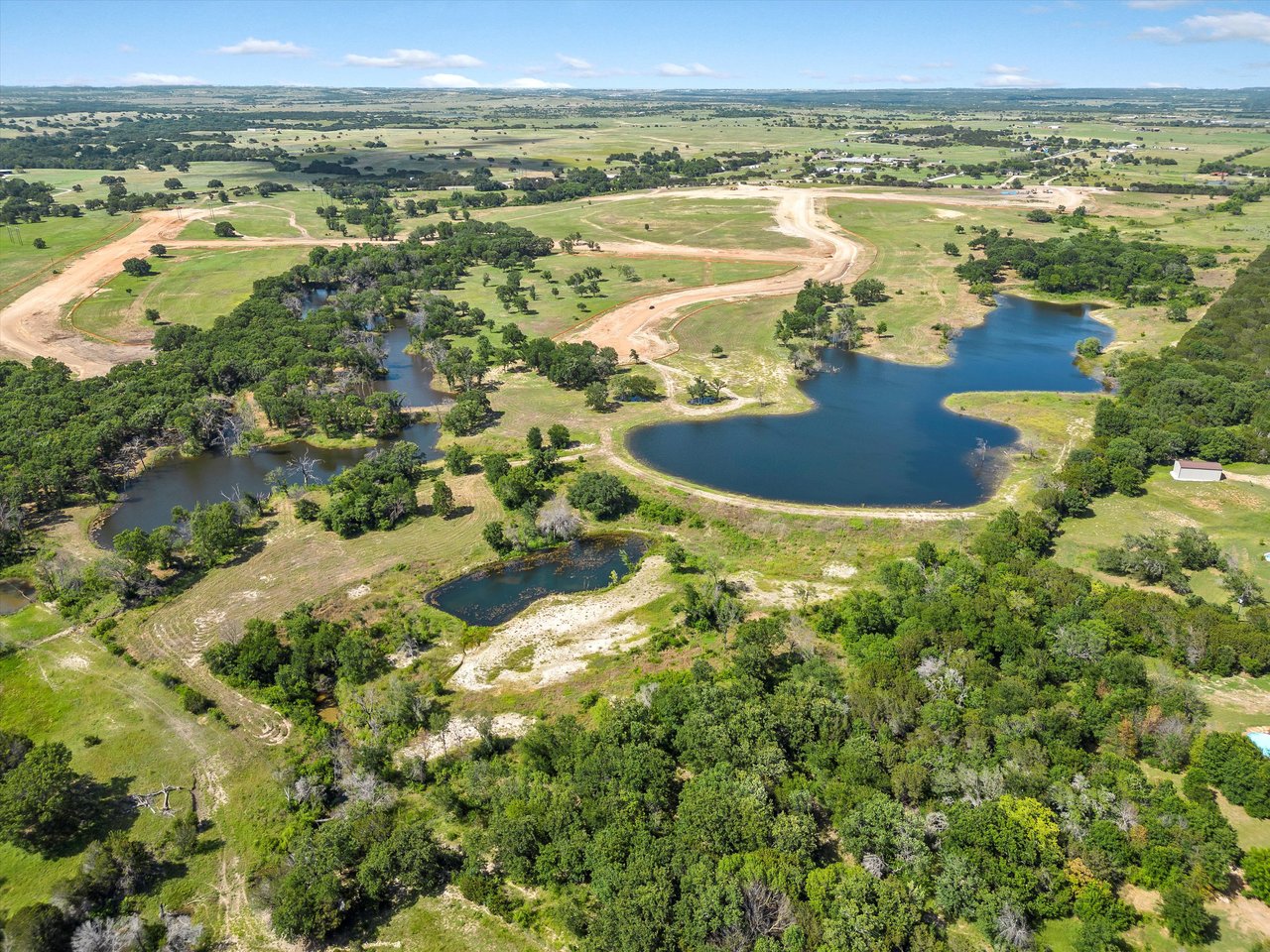
Explore land for sale in Hood County, TX — from 11 to 159 acres in Tolar and Granbury. See ranches, acreage homesites, and my personal journey owning Texas land.
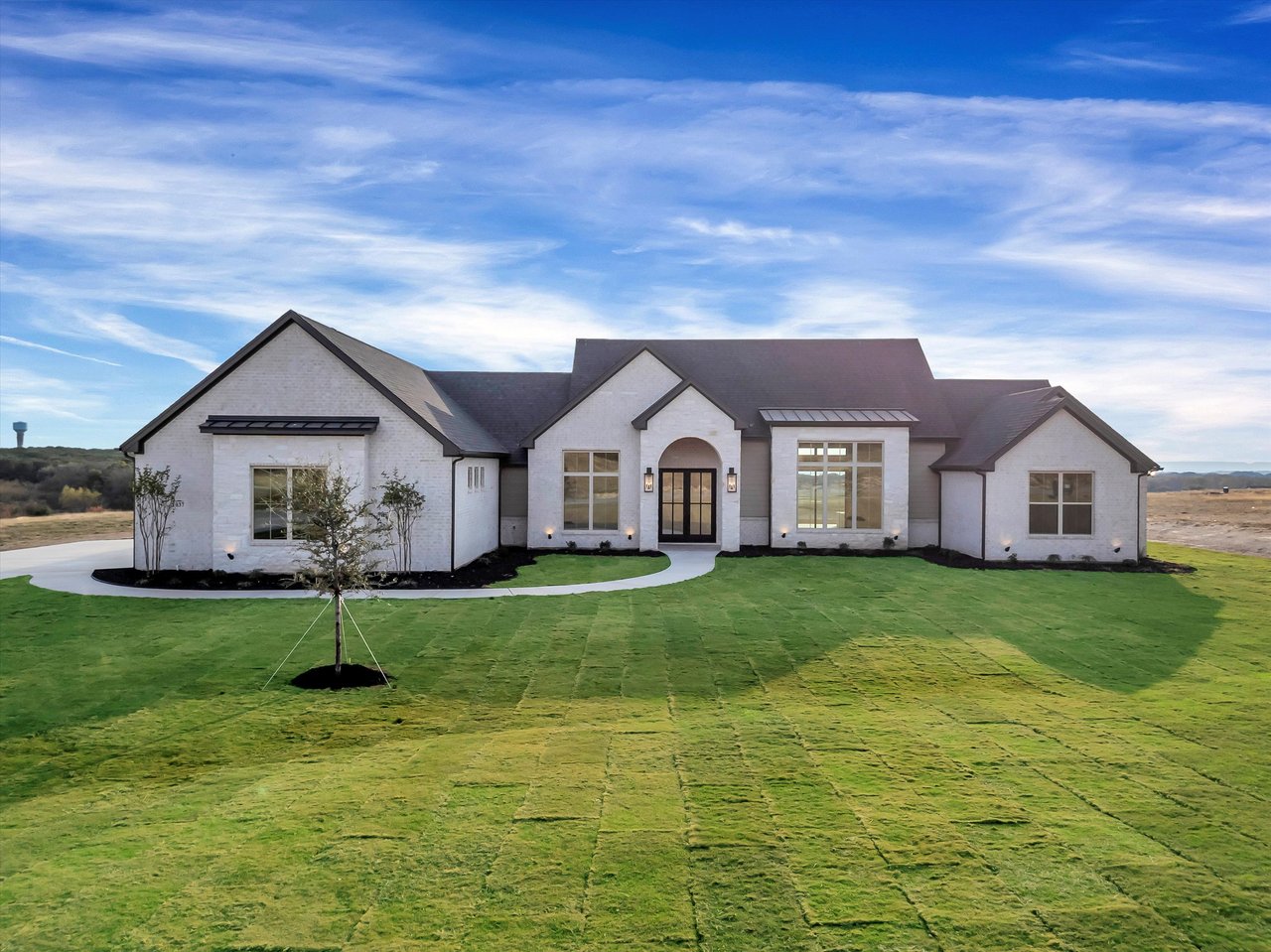
A look into new construction in Granbury

Relocating to a new place can be an exciting yet daunting decision.

Offers an unparalleled blend of history, culture, and modern living.
Get assistance in determining current property value, crafting a competitive offer, writing and negotiating a contract, and much more. Contact me today to start your home searching journey!